
Hormonal Imbalance
Female Hormonal Imbalance occurs when hormones rise above or drop below normal levels in the bloodstream. Hormones are chemicals produced by glands in the endocrine system that tell your cells, tissues, and organs what to do. Hormones help regulate many important functions in the body:
- Mood
- Body temperature
- Metabolism
- Heart rate
- Sleep
- Reproductive cycles
- Growth
- Stress
Hormone levels in women normally fluctuate at certain times, such as before or during menstruation, during pregnancy or during menopause. Female hormone imbalance is common in adrenaline, steroid hormones, growth hormones, insulin, estrogen or progesterone (a hormone produced by your ovaries that helps you sleep).
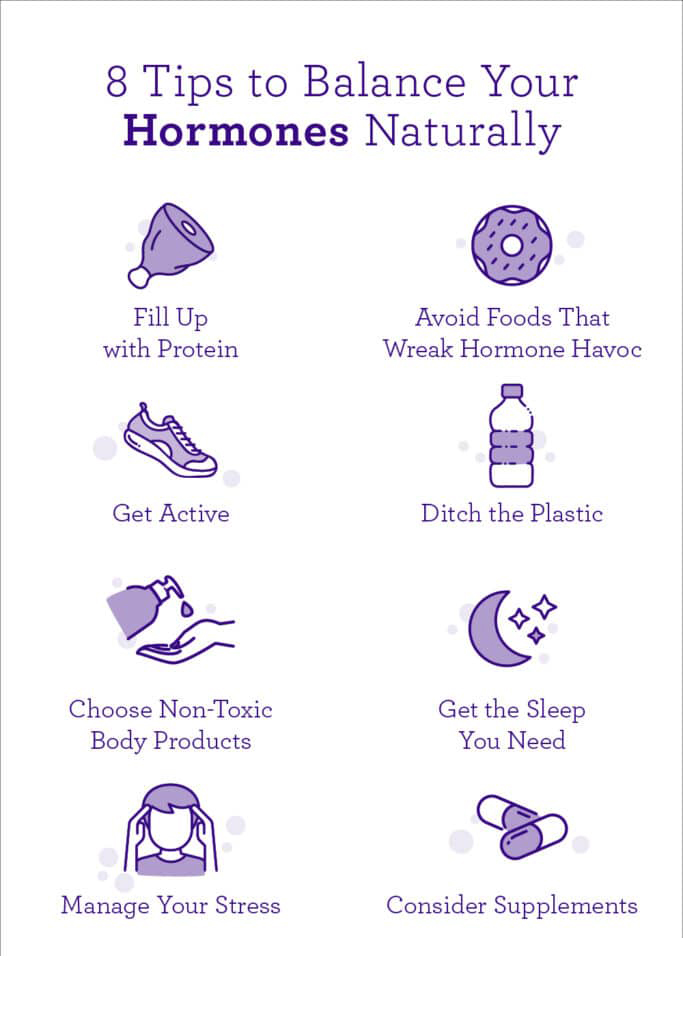

Silent Features of Harmonal Imbalance
Program
Packages
3 Month
6 Month
9 Month
12 Month
3 Month
- Dedicated Nutritionist/Dietician
• 1 to 1 Consultation
• WhatsApp Support in Working Hours
• Personalized Diet Plans
• Fitly App Access
• Recipes
• Twice A Week Follow Ups
• Dietician call – after every 10 days
• Kitchen Based Diet Plans
• Daily Live workout Session (Mon-Sat)
• No Supplements or Pills or Powder
Standard Package
14000
(USD- $157.85)
6 Month
- Dedicated Nutritionist/Dietician
• 1 To 1 Consultation
• WhatsApp Support in Working Hours
• Personalized Diet Plans
• Recipes
• Twice A Week Follow Ups
• Kitchen Based Diet Plans
• No Supplements or Pills or Powder
• Daily Live workout Session (Mon-Sat)
• Includes Hair & Skin Care
• Video consultation
• Manage cravings
• Daily Live workout Session (Mon-Sat)
• Immunity booster plans
• Manage the deficiencies
• Habit Building
• 1 Month Maintenance Free
Standard Package
26640
(USD- $300.37)
9 Month
- Dedicated Nutritionist/Dietician
• 1 To 1 Consultation
• WhatsApp Support in Working Hours
• Personalized Diet Plans
• Recipes
• Twice A Week Follow Ups
• Kitchen Based Diet Plans
• No Supplements or Pills or Powder
• Daily Live workout Session (Mon-Sat)
• Includes Hair & Skin Care
• Video consultation
• Manage cravings
• Daily Live workout Session (Mon-Sat)
• Immunity booster plans
• Manage the deficiencies
• Habit Building
• 2 Month Maintenance Free
Standard Package
37,800
(USD- $426.21)
12 Month
- Dedicated Nutritionist/Dietician
• 1 To 1 Consultation
• WhatsApp Support in Working Hours
• Personalized Diet Plans
• Recipes
• Twice A Week Follow Ups
• Kitchen Based Diet Plans
• No Supplements or Pills or Powder
• Includes Hair & Skin Care
• Video consultation
• Manage cravings
• Daily Live workout Session (Mon-Sat)
• Immunity booster plans
• Manage the deficiencies
• Habit Building
• 3 Month Maintenance Free
Standard Package
48,960
(USD- $552.04)