PCOD/PCOS

What Is PCOD (Poly Cystic Ovarian Disease) ?

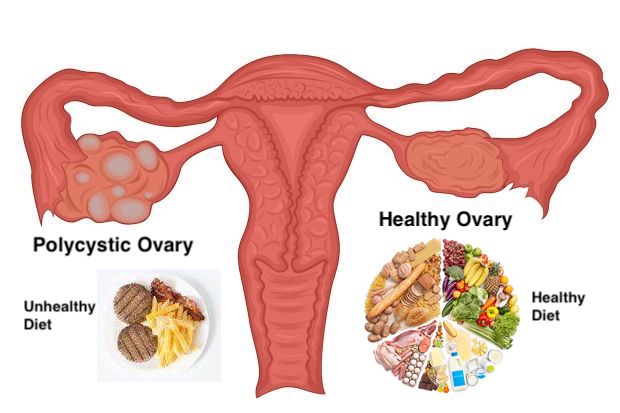
PCOD (Poly Cystic Ovarian Disease) or PCOS (Poly Cystic Ovarian Syndrome) is a disease characterized by multiple (‘poly’) cysts (small sacs filled with fluid) in the ovaries. Patients with PCOD have abnormal levels of hormones that result in irregular menses, infertility and certain masculine changes in the body.
PCOS is a hormonal disorder that affects one in four women. Normally ovaries make a tiny amount of male hormones (androgens). In PCOD ( Poly Cystic Ovary Disease) they start making slightly more androgens. This may stop you ovulating, getting acne and extra facial and body hair. The body has a problem in using insulin efficiently. When the body does not use insulin properly, blood sugar levels go up. Over time this increases your chance of getting diabetes.
Preventive And Treatment Option For PCOS.
If you have trouble in getting pregnant because of PCOS (Polycystic Ovary Syndrome), your doctor may prescribe you medicines. PCOS problem can be prevented only by improving your diet and lifestyle. Join our PCOS management program and get rid of this problem.

pcos symtoms

PCOD/PCOS Diet Program

PCOD/PCOS or polycystic ovarian syndrome is a condition that happens due to hormonal imbalance.  Hormones are chemical messengers that control the way the body works. For example, hormones change during puberty and send out signals in the body to start periods in girls.

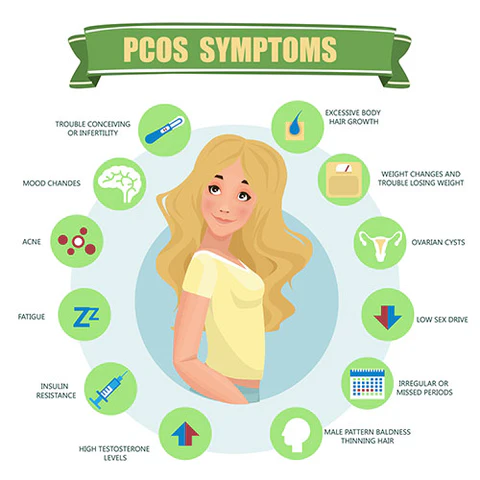
PCOD/PCOS is a common condition that affects every 1 in 5 women of child-bearing age. In PCOD/PCOS either of these two hormones, insulin and male-type hormones that are androgens are produced at higher levels. This results in the following symptoms. These symptoms can, however, vary in the intensity and sometimes PCOD/PCOS has only one of these symptoms.

PCOS-food
Fitly Diet Clinic nutrition guide

Silent Features of PCOD/PCOS
Program

Packages

*The diet packages are non-transferable & non-refundable.

A hormonal disorder that affects women of reproductive age is called polycystic ovarian syndrome (PCOS), sometimes referred to as polycystic ovarian disease (PCOD). It can result in polycystic ovaries, irregular menstrual cycles, and high androgen levels, which can cause symptoms like acne and excessive hair growth.

Insulin resistance is common in women with PCOD/PCOS, which can cause weight gain and make weight loss more difficult. Controlling symptoms and enhancing general health depend on maintaining a healthy weight through regular exercise and a balanced diet.

Indeed, even a small weight loss of 5–10% can help with symptoms like acne and excessive hair growth, lower insulin resistance, and improve menstrual regularity.

It is advantageous to eat a balanced diet that emphasises whole, unprocessed foods. Important suggestions include:
• Consuming foods high in fibre, such as vegetables, whole grains, and legumes, to help control blood sugar levels.
• To support metabolism, eat lean proteins like fish, poultry, and turkey.
• Inflammation-reducing healthy fats from foods like avocados, almonds, and olive oil.
• Carbs with a low glycaemic index to keep blood sugar levels steady.

Yes, it is wise to restrict or stay away from:
• Pasta and white bread are examples of refined carbohydrates.
• Sugary foods and drinks, such as sweets and sodas.
• Processed foods that are high in sodium and bad fats can make insulin resistance and hormone imbalances worse.

Strength training exercises two to three times a week, combined with at least 150 minutes of moderate-intensity aerobic activity each week, can help control menstrual cycles, improve insulin sensitivity, and help manage weight.

Indeed, ovulation can be affected by PCOD/PCOS, which makes conception more challenging. However, fertility results can be enhanced by lifestyle modifications like regular exercise, a balanced diet, and weight control. Medical interventions might be suggested in certain situations.

PCOD/PCOS does not currently have a cure. However, dietary adjustments, lifestyle adjustments, and individualised medical treatments can all help manage symptoms.

We provide individualised diet and lifestyle plans at Fitly Diet Clinic to help control the symptoms of PCOD and PCOS. Our knowledgeable dietitians collaborate closely with you to create a long-term strategy that supports your health objectives.

Useful Links

Get In Touch