thyroid

Thyroid

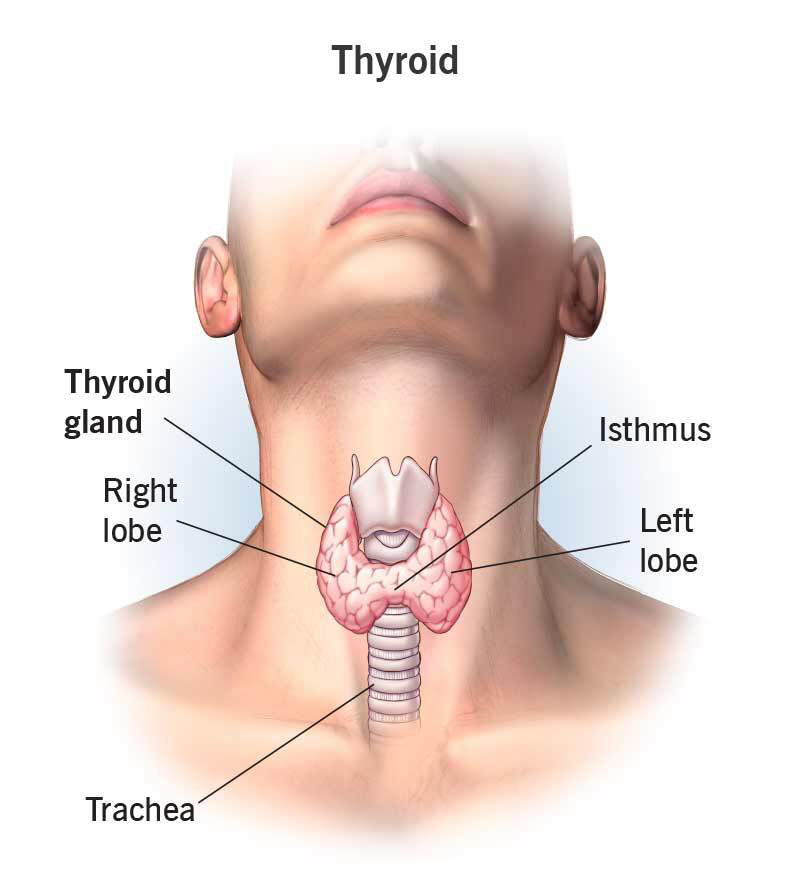
The thyroid gland is a metabolic gland that secretes an important hormone called thyroxine, which controls the functioning of almost every single organ in the body. The cells in the body depend on adequate thyroid hormone levels to function optimally. In case of a malfunction, the thyroid gland could either secrete more or less of it, thereby affecting the functioning of every organ.

A majority of thyroid cases are lifestyle-driven, which means addressing your lifestyle becomes one of the most powerful strategies to improve its function. However, not all cases of thyroid disease are the same, hence, every thyroid disorder needs to be approached and handled differently.

clinic identity

Symptoms of ‘thyroid problems’ depend on their type

The first thing to know is that “thyroid problems” can be broken down into two different categories, based on the way the gland is malfunctioning:

  1. Hyperthyroidism means it’s producing too much thyroid hormone.
  2. Hypothyroidism means it’s not producing enough thyroid hormone. 

Hyperthyroidism can sometimes be a sign of an autoimmune disorder called Graves’ disease. Similarly, hypothyroidism can sometimes be a sign of an autoimmune disorder called Hashimoto’s disease. But whether it’s due to one of those conditions or something else entirely, any glandular dysfunction can cause symptoms if it’s severe enough.

Excessive fatigue is considered a sign of both hyper- and hypothyroidism. But each condition also has its own set of symptoms.

Symptoms of hyperthyroidism include:

  • anxiety
  • tremors
  • irregular heartbeat
  • insomnia 
  • heat intolerance
  • weight loss, despite increased appetite

Symptoms of hypothyroidism include:

  • lethargy
  • constipation 
  • hair thinning or hair loss
  • bloating, puffiness or swelling in the face or legs
  • cold intolerance
  • dry skin
Fitly Diet Clinic nutrition guide

Silent Features of Thyroid
Program

Packages

*The diet packages are non-transferable & non-refundable.

Frequently Ask Question

Foods rich in iodine, selenium, zinc, vitamin D, and B12—such as fish, eggs, nuts, seeds, and leafy greens—can support thyroid function.

Moderate soy intake is generally safe. However, avoid consuming soy products 4 hours before or after taking thyroid medication to ensure optimal absorption.

Cooking cruciferous vegetables like broccoli and kale reduces their goitrogenic properties, making them safe to eat in moderation.

Excessive iodine intake can worsen thyroid conditions, especially autoimmune types. It’s best to get iodine from dietary sources and consult a healthcare provider before supplementing.

Certain foods and supplements can interfere with thyroid medication absorption. Maintain a consistent diet and consult your doctor about potential interactions.

Useful Links

Get In Touch