Month: January 2026

Pre-Workout vs Post-Workout Meals: What’s Better?

Pre-Workout vs Post-Workout Meals: What’s Better?

When it comes to fitness, exercise is only half the equation — nutrition before and after your workout plays a huge role in your results. Many people ask:

Should I eat before workout or after?
Which is more important — pre-workout meals or post-workout meals?

The truth is, both pre-workout and post-workout nutrition are important, but they serve different purposes in muscle gain, fat loss, strength, and recovery.

In this guide, we’ll break down pre-workout vs post-workout meals, their benefits, what to eat, and how to plan your meals for the best fitness results.
Weight Management services in ludhiana

Why Workout Nutrition Matters

Your body needs fuel to perform and nutrients to recover.

  • Pre-workout meals provide energy and improve performance
  • Post-workout meals help muscle recovery and growth

Without proper nutrition, you may experience:

  • Fatigue during workouts
  • Poor muscle recovery
  • Muscle loss
  • Slow fat loss progress

That’s why understanding workout meal timing is key for better results.

What Is a Pre-Workout Meal?

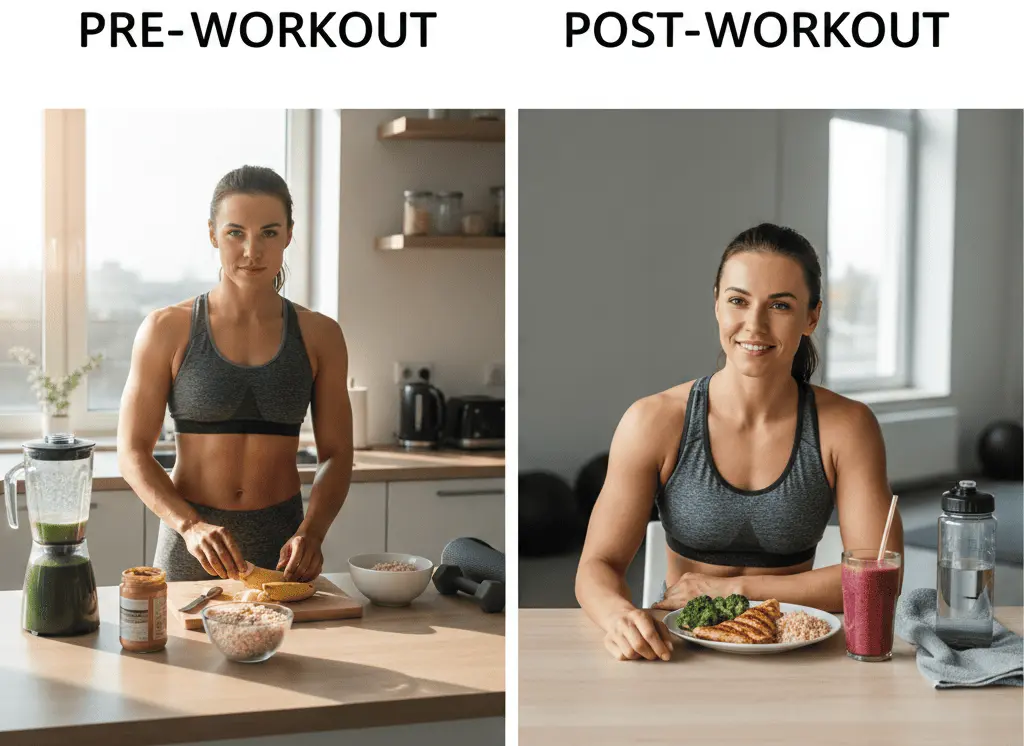
A pre-workout meal is food eaten 30 minutes to 2 hours before exercise to give your body enough energy to perform well.

Goals of Pre-Workout Nutrition

✅ Increase energy levels
✅ Improve endurance and strength
✅ Prevent muscle breakdown
✅ Enhance workout performance

What Happens If You Skip a Pre-Workout Meal?

Training on an empty stomach may lead to:

  • Low energy
  • Dizziness or weakness
  • Poor performance
  • Muscle breakdown instead of fat loss

Especially for strength training and intense cardio, pre-workout nutrition is important.

Best Nutrients for Pre-Workout Meals

Nutrient

Why It’s Important

Carbohydrates

Main energy source for workouts

Protein

Prevents muscle breakdown

Healthy fats (small amount)

Sustained energy (optional)

Fluids

Prevent dehydration

Best Pre-Workout Meal Ideas

If You Have 2 Hours Before Workout

  • Brown rice + vegetables + paneer/tofu
  • Oats with peanut butter and banana
  • Whole wheat sandwich with egg or hummus

If You Have 30–60 Minutes Before Workout

  • Banana with peanut butter
  • Apple + handful of nuts
  • Yogurt with fruits
  • Protein smoothie with banana

These foods provide quick energy and support muscle performance.

What Is a Post-Workout Meal?

A post-workout meal is eaten within 30–60 minutes after exercise to help the body recover and rebuild.

Goals of Post-Workout Nutrition

✅ Repair muscle tissue
✅ Promote muscle growth
✅ Restore energy stores
✅ Reduce muscle soreness

Why Post-Workout Meals Are Crucial

After exercise, your body is in recovery mode. Muscles are slightly damaged and glycogen (stored energy) is depleted.

Without proper post-workout nutrition:

  • Muscle recovery slows
  • Fatigue increases
  • Muscle gain becomes difficult
  • You may feel sore for longer

This is why many experts say post-workout meals are critical for muscle building.

Best Nutrients for Post-Workout Meals

Nutrient

Role in Recovery

Protein

Repairs and builds muscles

Carbohydrates

Restores glycogen (energy)

Electrolytes

Replace minerals lost in sweat

Fluids

Rehydration

Best Post-Workout Meal Ideas

Vegetarian Options

  • Paneer bhurji + roti
  • Dal + rice + salad
  • Tofu stir-fry with veggies
  • Protein smoothie with milk + banana

Non-Vegetarian Options

  • Grilled chicken + sweet potato
  • Boiled eggs + toast
  • Fish + brown rice

These meals support muscle recovery and growth after workouts.

Pre-Workout vs Post-Workout Meals: Key Differences

Factor

Pre-Workout Meal

Post-Workout Meal

Purpose

Energy & performance

Recovery & muscle growth

Timing

Before exercise

After exercise

Focus Nutrient

Carbohydrates

Protein + Carbs

Benefit

Improves stamina

Reduces soreness

Needed For

Strength & endurance

Muscle repair

Which Is More Important: Pre or Post Workout Meal?

The answer depends on your goal.

For Energy & Performance → Pre-Workout Meal is Key

You can’t train well without fuel.

For Muscle Gain & Recovery → Post-Workout Meal is Critical

Muscles grow during recovery, not during exercise.

Best Approach → Both Meals Matter

For optimal results, combine pre-workout nutrition + post-workout recovery meals.

Meal Timing Based on Fitness Goals

Muscle Gain

  • Pre-workout: Carbs + Protein
  • Post-workout: High Protein + Carbs

 Fat Loss

  • Pre-workout: Light carbs + protein
  • Post-workout: Protein-rich, moderate carbs

 Endurance Training

  • Pre-workout: Higher carbs
  • Post-workout: Carbs + protein + electrolytes

    Common Mistakes to Avoid

    ❌ Working out on an empty stomach (low performance)
    ❌ Eating heavy fried food before workout
    ❌ Skipping protein after workout
    ❌ Delaying post-workout meal for hours
    ❌ Only taking supplements but ignoring real food

Do You Need Supplements?

Supplements are optional. Real food works well.

Supplement

Useful For

Whey protein

Quick post-workout protein

Creatine

Strength and power

BCAAs

Long workouts (optional)

Food should always be the foundation of your workout nutrition plan

Hydration Is Also Important

Both pre and post workout hydration matters.

  • Drink water 30–60 minutes before workout
  • Sip water during exercise
  • Rehydrate after workout

Dehydration reduces performance and slows recovery.

Signs Your Workout Nutrition Is Poor

  • Constant fatigue
  • Muscle soreness lasting days
  • No strength improvement
  • Hair fall or weakness
  • Poor muscle gain

Improving pre-workout and post-workout meals can fix many of these issues.

FAQs: Pre-Workout vs Post-Workout Meals

Light cardio may be okay, but strength training needs fuel.

Within 30–60 minutes for best recovery.

Yes, it’s a great quick carb source.

Try to eat as soon as possible; don’t delay for hours.

Not necessary, but convenient.

Final Verdict

When comparing pre-workout vs post-workout meals, it’s not about choosing one — it’s about using both strategically.

 Pre-workout meals fuel performance
Post-workout meals build and repair muscles

If you want better strength, fat loss, endurance, and muscle gain, proper workout nutrition is just as important as exercise.

Eat smart, train hard, and recover well — that’s the real fitness formula
Early Symptoms of Thyroid Problems You Should Not Ignore

Early Symptoms of Thyroid Problems You Should Not Ignore

Thyroid disorders are becoming increasingly common due to stress, poor diet, hormonal imbalance, and lifestyle changes. Unfortunately, many people ignore the early symptoms of thyroid problems, assuming they are normal health issues. This delay often leads to severe complications and makes thyroid treatment more difficult later.

The thyroid gland may be small, but it plays a huge role in controlling metabolism, weight, energy levels, hormones, heart rate, and mental health. Recognizing the early warning signs can help you seek timely diagnosis and proper thyroid treatment before the condition worsens.

thyroid treatment in ludhiana

What Is the Thyroid Gland?

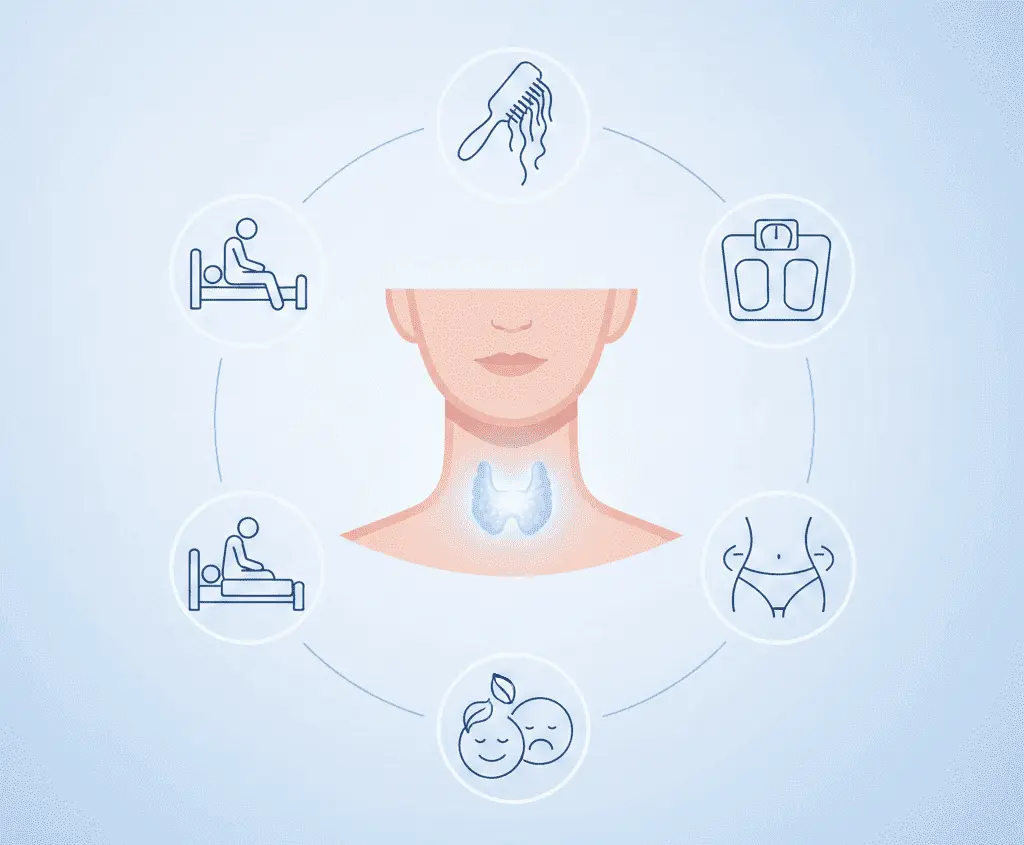
The thyroid is a butterfly-shaped gland located in the front of the neck. It produces thyroid hormones (T3 and T4) that regulate:

  • Metabolism
  • Body temperature
  • Weight
  • Heart rate
  • Digestion
  • Mood and brain function
  • Menstrual cycle

When the thyroid produces too little hormone (Hypothyroidism) or too much hormone (Hyperthyroidism), it disrupts the entire body.

Why Early Detection of Thyroid Problems Is Important

Ignoring early symptoms may lead to:

  • Severe weight gain or weight loss
  • Infertility
  • PCOD / PCOS
  • Diabetes risk
  • Depression and anxiety
  • Heart disease
  • Chronic fatigue

Early diagnosis allows effective thyroid treatment, lifestyle correction, and better long-term health outcomes.

Early Symptoms of Thyroid Problems You Should Never Ignore

1. Unexplained Weight Changes

Sudden weight gain or weight loss without any change in diet or exercise is a major red flag.

  • Hypothyroidism: Weight gain, slow metabolism
  • Hyperthyroidism: Rapid weight loss, increased appetite

If weight issues persist, proper thyroid treatment is essential.

2. Constant Fatigue and Low Energy

Feeling tired even after proper sleep is one of the most common early symptoms.

  • Low thyroid hormone slows energy production
  • You may feel exhausted throughout the day
  • Daily tasks start feeling difficult

Many people confuse this with stress, delaying thyroid treatment.

3. Hair Fall and Hair Thinning

Excessive hair fall is an early sign of thyroid imbalance.

  • Dry, brittle hair
  • Hair thinning from scalp and eyebrows
  • Slow hair growth

Correct thyroid treatment and nutrition can help reverse this.

4. Mood Swings, Anxiety, or Depression

Thyroid hormones directly affect brain chemistry.

  • Hypothyroidism → Depression, low mood
  • Hyperthyroidism → Anxiety, irritability, restlessness

Mental health symptoms often improve with proper thyroid treatment.

5. Irregular Menstrual Cycle and Fertility Issues

In women, thyroid problems can cause:

  • Delayed or missed periods
  • Heavy or light bleeding
  • Difficulty in conceiving
  • PCOD-like symptoms

Timely thyroid treatment helps restore hormonal balance.

6. Feeling Cold or Excessive Heat Sensitivity

  • Hypothyroidism → Feeling cold all the time
  • Hyperthyroidism → Excess sweating, heat intolerance

Temperature sensitivity is a clear sign your metabolism is disturbed.

7. Digestive Issues (Constipation or Diarrhea)

Thyroid hormones control digestion speed.

Thyroid Condition

Digestive Symptom

Hypothyroidism

Constipation

Hyperthyroidism

Loose motions / diarrhea

Digestive health improves once thyroid treatment begins.

8. Dry Skin or Excessive Sweating

  • Dry, rough, pale skin → Hypothyroidism
  • Warm, moist skin → Hyperthyroidism

Skin changes are often early signs people ignore.

9. Slow or Rapid Heart Rate

  • Hypothyroidism → Slow heartbeat
  • Hyperthyroidism → Palpitations, fast heartbeat

Heart-related symptoms require urgent thyroid treatment.

10. Brain Fog and Poor Concentration

Many patients complain of:

  • Forgetfulness
  • Poor memory
  • Lack of focus

This condition is often called “thyroid brain fog” and improves with treatment.

Hypothyroidism vs Hyperthyroidism: Early Symptoms Comparison

Symptom

Hypothyroidism

Hyperthyroidism

Weight

Gain

Loss

Energy

Low

High but restless

Heart Rate

Slow

Fast

Appetite

Low

High

Bowel Movement

Constipation

Diarrhea

Mood

Depression

Anxiety

Common Causes of Thyroid Problems

  • Stress and poor sleep
  • Iodine imbalance
  • Autoimmune diseases (Hashimoto’s, Graves’)
  • PCOD and hormonal disorders
  • Pregnancy and postpartum changes
  • Nutritional deficiencies

Identifying the cause helps personalize thyroid treatment.

How Thyroid Problems Are Diagnosed

Doctors usually recommend:

  • TSH test
  • T3 and T4 levels
  • Thyroid antibodies (if required)
  • Ultrasound (in some cases)

Early testing ensures faster and more effective thyroid treatment.

Role of Diet and Lifestyle in Thyroid Treatment

While medication is important, diet and lifestyle play a key role in managing thyroid disorders.

Thyroid-Friendly Diet Includes:

  • Whole grains
  • Fresh fruits and vegetables
  • Adequate protein
  • Selenium and zinc-rich foods
  • Anti-inflammatory foods

Avoid:

  • Excess junk food
  • Highly processed sugar

Irregular eating habits

Can Early Thyroid Treatment Reverse Symptoms?

Yes, in many cases:

  • Energy levels improve
  • Weight becomes manageable
  • Hair fall reduces
  • Periods become regular
  • Mood stabilizes

Early thyroid treatment prevents long-term complications.

FAQs: Early Symptoms of Thyroid Problems

Yes, thyroid symptoms often develop gradually, making them easy to ignore.

With proper thyroid treatment, many people manage it successfully long-term.

Diet supports treatment but does not replace medical thyroid treatment.

Chronic stress can trigger or worsen thyroid imbalance.

Yes, women are more likely to develop thyroid disorders than men.

Final Thoughts

Ignoring the early symptoms of thyroid problems can lead to serious health issues. Awareness, timely testing, and the right thyroid treatment can help you live a healthy, balanced life.

If you notice persistent symptoms like fatigue, weight changes, hair fall, or mood swings, don’t delay—early action makes all the difference.


Metabolism Boosting Foods You Should Eat Daily

Metabolism Boosting Foods You Should Eat Daily

Metabolism is the engine of your body. It decides how fast you burn calories, how efficiently you digest food, how easily you gain or lose weight, and how energetic you feel throughout the day.

Many people believe that metabolism is purely genetic. But the truth is — your daily food choices can significantly influence your metabolic speed.

If you often feel tired, struggle with weight loss, experience bloating, or gain fat easily, a slow metabolism may be the reason.

The good news?
👉 You can naturally improve your metabolism with the right foods and lifestyle habits.

What Is Metabolism in Simple Words?

Metabolism is the process by which your body converts:

👉 Food → Energy

Your body uses this energy for:

  • Breathing
  • Blood circulation
  • Body temperature control
  • Cell repair
  • Hormone production
  • Brain function

Even when you are sleeping, your metabolism is working.

The number of calories your body burns at rest is called Basal Metabolic Rate (BMR).

BMR Level

Result

High BMR

Faster calorie burning

Low BMR

Easy fat storage

Why Metabolism Becomes Slow

Many lifestyle habits slow metabolism:

Reason

Effect

Skipping meals

Body stores fat

Low protein diet

Muscle loss

Poor sleep

Hormonal imbalance

Stress

Cortisol increases fat

Crash dieting

Metabolic damage

Low water intake

Poor digestion

Lack of exercise

Muscle loss

How Foods Increase Metabolism

Foods boost metabolism by:

  • Increasing thermogenesis
  • Improving digestion
  • Supporting thyroid hormones
  • Preserving muscle mass
  • Balancing blood sugar

Improving gut bacteria

Top Metabolism Boosting Foods You Should Eat Daily

1. Protein Foods – The Metabolism Builders

Protein requires more energy to digest. This is called Thermic Effect of Food (TEF).

Protein Food

Benefit

Eggs

Builds muscle

Chicken

Lean protein

Fish

Thyroid support

Paneer

Vegetarian protein

Tofu

Plant protein

Lentils

Protein + fiber

Greek yogurt

Probiotics

 Protein can increase metabolism by 15–30% temporarily after eating.

2. Green Tea

Green tea contains catechins and antioxidants.

Benefits:

  • Boosts fat oxidation
  • Improves insulin sensitivity
  • Reduces belly fat
  • Improves liver metabolism

Drink 2 cups daily.

3. Coffee

Caffeine stimulates the nervous system.

Benefits:

  • Increases calorie burn
  • Improves exercise performance
  • Enhances mental alertness

Avoid sugar and flavored syrups.

4. Spices That Boost Metabolism

Spice

Benefit

Chili

Thermogenesis

Ginger

Digestion

Turmeric

Liver support

Cinnamon

Blood sugar control

Black pepper

Nutrient absorption

5. Whole Grains

Whole grains digest slowly and keep metabolism active.

Grain

Benefit

Oats

Fiber rich

Brown rice

Stable energy

Quinoa

Protein + fiber

Barley

Low GI

Millets

Nutrient dense

6. Fruits That Improve Metabolism

Fruit

Why It Helps

Apple

Fiber

Berries

Antioxidants

Orange

Vitamin C

Kiwi

Digestive enzymes

Papaya

Digestion

Pineapple

Fat metabolism

7. Vegetables for Metabolism

Leafy greens are extremely metabolism friendly:

  • Spinach
  • Kale
  • Broccoli
  • Cabbage
  • Lettuce
  • Zucchini
  • Beans

They are low calorie but high nutrition.

8. Healthy Fats

Healthy fats improve hormone production.

Fat Source

Benefit

Olive oil

Heart health

Avocado

Hormonal balance

Nuts

Energy

Seeds

Metabolism

Fish oil

Omega 3

9. Water – The Forgotten Metabolism Booster

Drinking water can increase metabolism by up to 30% for 30–40 minutes.

Drink water:

  • After waking up
  • Before meals
  • During workouts

10. Probiotic Foods

Healthy gut = Faster metabolism.

Food

Benefit

Curd

Good bacteria

Buttermilk

Digestion

Kimchi

Fat loss

Sauerkraut

Gut repair

Foods That Destroy Metabolism

Food

Why Avoid

Sugary drinks

Insulin spike

White bread

Low fiber

Fried food

Inflammation

Packaged snacks

Hormonal imbalance

Alcohol

Liver slowdown

Excess sweets

Fat storage

7-Day Metabolism Boosting Meal Plan

Meal

Example

Morning

Warm water + lemon

Breakfast

Oats + fruit + nuts

Snack

Green tea + almonds

Lunch

Brown rice + dal + veggies

Snack

Fruit / yogurt

Dinner

Paneer/chicken + salad

Night

Turmeric milk

Lifestyle Habits That Multiply Metabolism

  1. Walk 10 minutes after meals
  2. Sleep before 11 pm
  3. Strength training 3x/week
  4. Reduce stress
  5. Eat slowly
  6. Avoid long fasting
  7. Stay consistent

Metabolism and Hormones

Slow metabolism is often connected with:

  • Thyroid issues
  • PCOD
  • Insulin resistance
  • Cortisol imbalance

Healthy food supports hormone regulation

Metabolism and Age

Metabolism naturally slows with age, but:

👉 Proper diet + muscle training can reverse this effect.

Myths About Metabolism

Myth

Truth

Metabolism cannot change

It can

Thin people have fast metabolism

Not always

Starving increases fat loss

It slows metabolism

Supplements fix metabolism

Food & habits matter more

Frequently Asked Questions

Yes, with diet, exercise and sleep.

Yes, it signals fat storage.

Yes, protein burns more calories during digestion.

Yes, cortisol blocks fat burning.

Yes, hydration increases calorie burning.

Final Thoughts

Your metabolism is not your enemy.
Your habits decide its speed.

When you eat:

✔ Protein
✔ Fiber
✔ Healthy fats
✔ Whole foods

and avoid:

❌ Sugar
❌ Fried food
❌ Crash diets

Your metabolism automatically improves.

A healthy metabolism means a healthy life.


How to Control Blood Sugar with Low GI Foods

How to Control Blood Sugar with Low GI Foods

Managing blood sugar is one of the biggest challenges for people with diabetes, prediabetes, PCOD, or insulin resistance. One of the most effective tools for blood sugar control is the Glycemic Index (GI). Low GI foods release glucose slowly, prevent spikes in blood sugar, and improve insulin sensitivity.

Blood Sugar treatment

Understanding the Glycemic Index (GI)

What is the Glycemic Index?

The Glycemic Index (GI) is a numerical scale (0–100) that measures how quickly a carbohydrate-containing food raises blood glucose levels after consumption.

  • Low GI (≤55): Slowly digested and absorbed → gradual rise in blood sugar
  • Medium GI (56–69): Moderate effect on blood sugar
  • High GI (≥70): Rapid digestion → rapid spike in blood sugar

The lower the GI, the more stable your blood sugar will remain after eating.

Why Low GI Foods Are Important

  1. Prevent Blood Sugar Spikes: Slow glucose release reduces hyperglycemia episodes.
  2. Enhance Insulin Sensitivity: Stable glucose levels prevent insulin overproduction.
  3. Promote Satiety: Keeps you full longer, reducing unhealthy snacking.
  4. Support Weight Management: Helps in controlling visceral fat and preventing obesity.
  5. Reduce Long-Term Complications: Heart disease, nerve damage, and kidney issues risk are minimized.

Table 1: Glycemic Index Classification

GI Range

Classification

Example Foods

0–55

Low GI

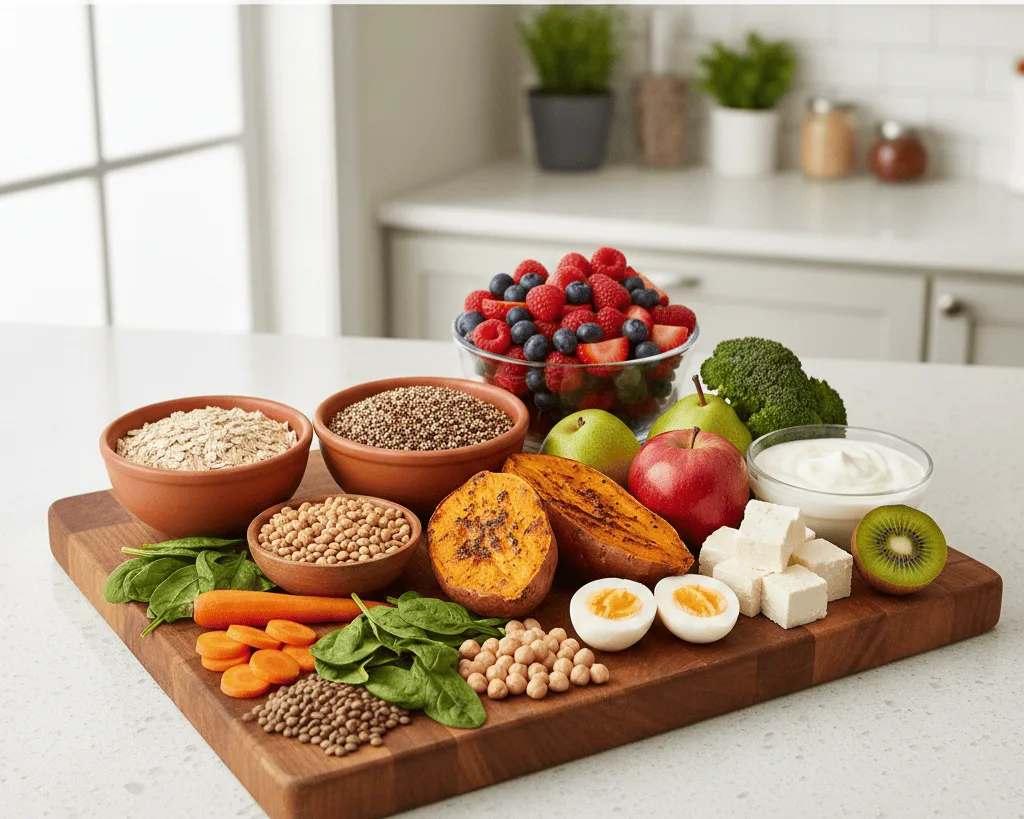
Oats, quinoa, barley, lentils, apples

56–69

Medium GI

Brown rice, whole wheat bread, pineapple

70+

High GI

White rice, white bread, cornflakes, watermelon

How Blood Sugar Works & Role of GI

When we eat carbohydrate-containing foods, the body converts them into glucose, which enters the bloodstream. Insulin, a hormone produced by the pancreas, is released to allow cells to absorb glucose for energy.

In diabetes and insulin resistance:

  • The body’s cells do not respond effectively to insulin → glucose remains in the blood → hyperglycemia
  • High GI foods cause rapid spikes in blood sugar → excessive insulin production → fat storage and weight gain

Low GI approach:

  • Foods release glucose slowly → prevent rapid blood sugar spikes
  • Reduce insulin demand → improves metabolic efficiency
  • Supports weight loss, energy balance, and long-term health

Table 2: Blood Sugar Response – Low GI vs High GI Foods

Food

Blood Sugar Response

Insulin Response

White bread

Rapid spike

High insulin surge

Oats

Gradual rise

Moderate insulin response

Sweet potato

Slow rise

Low insulin demand

Lentils

Minimal rise

Stable insulin response

Top Low GI Foods for Blood Sugar Control

A low GI diet should include a variety of nutrient-rich foods that stabilize glucose, support metabolism, and promote hormone balance.

  1. Whole Grains

Food

GI Value

Benefits

Oats

55

Slowly releases glucose, promotes satiety

Quinoa

53

High protein and fiber, stabilizes blood sugar

Barley

25

Reduces cholesterol, lowers insulin spikes

Brown rice

50–55

Provides steady energy and fiber

  1. Legumes & Pulses

Food

GI Value

Benefits

Lentils

30

Protein-rich, slow glucose release

Chickpeas

28

Controls appetite, stabilizes blood sugar

Kidney beans

24

High fiber, promotes satiety

Black beans

30

Balanced carbs, reduces sugar spikes

  1. Low GI Fruits

Fruit

GI Value

Notes

Apple

38

Fiber-rich, supports satiety

Pear

38

Prevents rapid glucose spikes

Berries

40–45

Low sugar, high antioxidants

Kiwi

52

Vitamin C, fiber, antioxidants

Orange

43

Natural sweetness, vitamin-rich

  1. Vegetables

Vegetable

GI Value

Benefits

Broccoli

10

Antioxidant-rich, stabilizes blood sugar

Spinach

15

Low-carb, nutrient-dense

Carrots

39

Slow glucose absorption

Sweet potato

44

Complex carbs, low GI

  1. Protein Sources & Dairy

Food

GI Value

Benefits

Greek yogurt

36

Probiotics, protein-rich

Paneer

27

Low-carb, stabilizes meal GI

Eggs

0

No carbs, supports satiety

Chicken / Fish

0

Protein source, no sugar spike

Foods to Avoid for Blood Sugar Control

Food Category

Reason

White rice / White bread

High GI → rapid glucose spike

Pastries / Cakes / Cookies

Refined carbs, low fiber

Sugary drinks / Sodas

Immediate insulin surge, fat storage

Instant cereals / Cornflakes

High GI, low nutrient density

Fried snacks / Potato chips

High GI + unhealthy fats → insulin spike

Tip: Replace high GI foods with whole grains, legumes, and fiber-rich fruits/vegetables.

Low GI Meal Planning

Eating low GI foods consistently throughout the day is critical for blood sugar management.

Sample 7-Day Low GI Meal Plan

Meal

Example

Breakfast

Oats porridge with chia seeds, almonds, and blueberries

Mid-Morning

Handful of walnuts + green tea

Lunch

Quinoa salad with chickpeas, spinach, cucumber, and olive oil

Afternoon Snack

Greek yogurt with apple slices

Dinner

Lentil soup with steamed vegetables and paneer

Tips:

  • Combine protein + fiber + healthy fats in every meal
  • Avoid skipping meals to prevent glucose spikes
  • Drink at least 2–3 liters of water daily
Lifestyle Tips to Support Blood Sugar Control
  • Exercise Regularly: Walking, yoga, and strength training improve insulin sensitivity
  • Sleep Well: 7–8 hours nightly; poor sleep raises blood sugar
  • Stress Management: Meditation, breathing exercises → reduce cortisol → prevent glucose spikes
  • Meal Timing: Eat small, frequent meals to avoid sudden sugar surges
Benefits of Low GI Diet Beyond Blood Sugar
  1. Weight Management: Slow glucose release reduces fat storage
  2. Heart Health: Low GI foods lower LDL cholesterol and triglycerides
  3. Energy Balance: Provides steady energy without crashes
  4. Hormone Regulation: Reduces insulin and androgen imbalances (beneficial for PCOD)

Long-Term Diabetes Prevention: Supports prediabetes reversal

FAQs About Low GI Foods and Blood Sugar

Low GI foods help control blood sugar, improve insulin sensitivity, and support long-term management but cannot fully reverse diabetes alone.

Yes, but choose low-sugar, low GI fruits like apples, berries, kiwi, and pear.

Yes, but prefer brown rice, barley, or quinoa instead of white rice.

Every meal should focus on low GI foods, combined with protein and healthy fats.

Yes, they are a low GI carb that provides complex carbs and fiber.

Yes, they reduce insulin spikes, increase satiety, and support fat burning.

Yes, it is a low GI whole grain that slowly releases glucose.