Author: admin

Online vs Offline Diet Consultation in Ludhiana: Which One is Better for You?

Online vs Offline Diet Consultation in Ludhiana: Which One is Better for You?

In today’s fast-paced lifestyle, especially in a growing city like Ludhiana, maintaining a healthy diet has become more important than ever. With increasing cases of obesity, PCOS, diabetes, and thyroid issues, people are actively searching for best dietitian in Ludhiana, diet consultation in Ludhiana, and weight loss diet plan Ludhiana.

But one major confusion most people face is:

 Should you go for online diet consultation in Ludhiana or choose an offline diet clinic in Ludhiana?

In this detailed guide, we’ll break down everything you need to know about online vs offline diet consultation, their benefits, drawbacks, cost comparison, and which option is best for you.

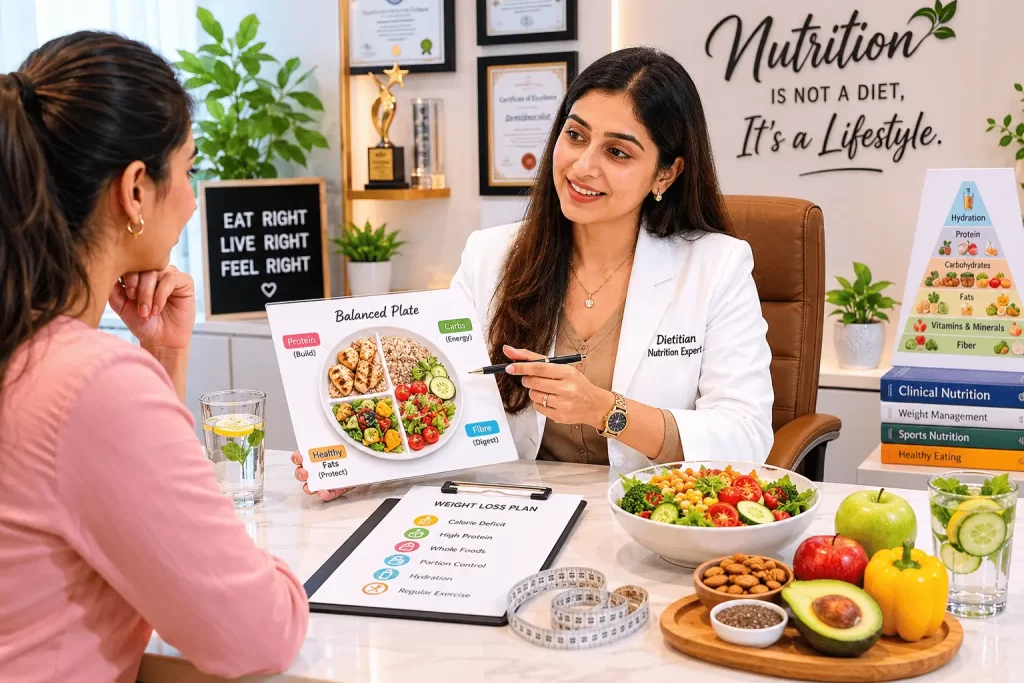
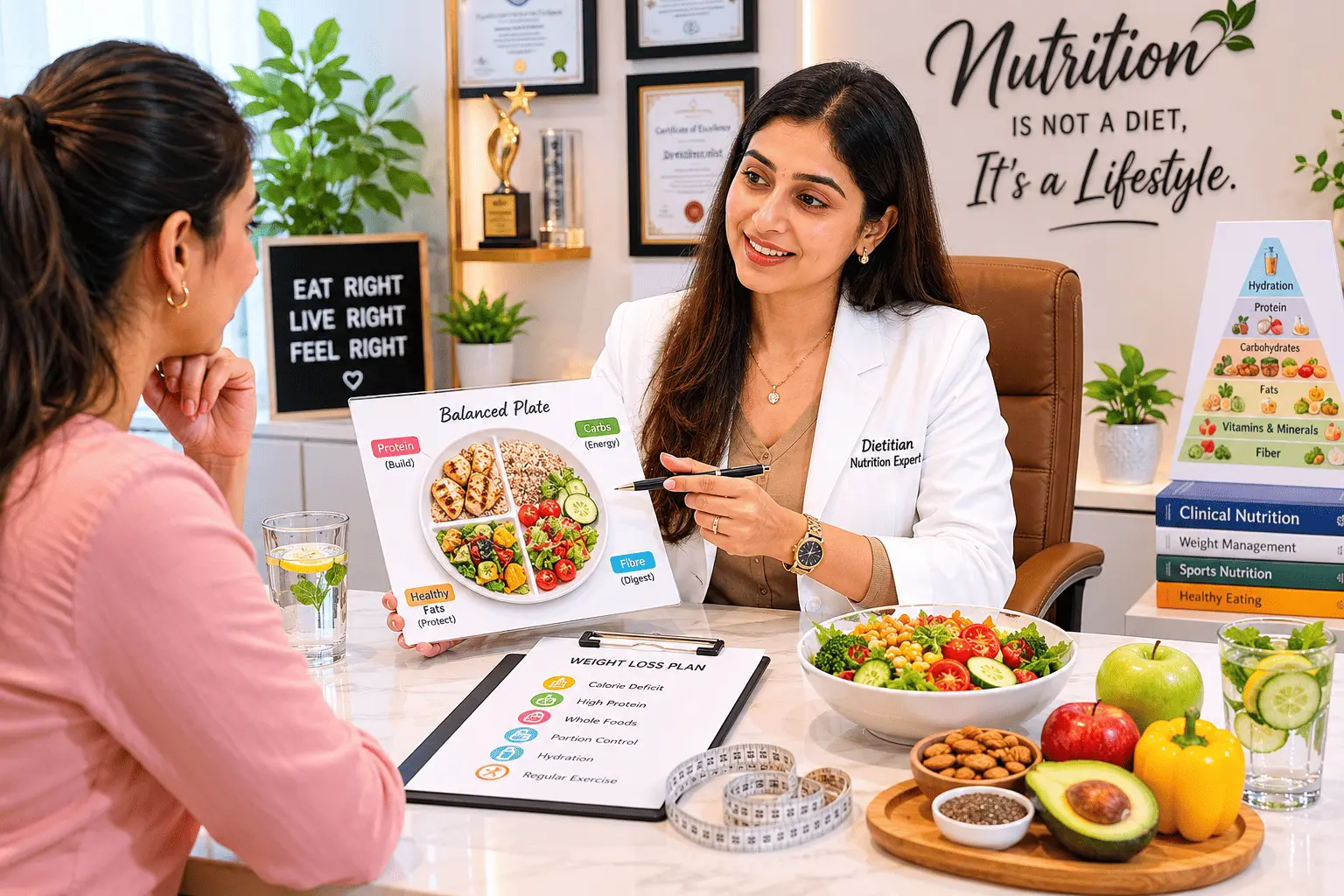
diet consultation in ludhiana

What is Diet Consultation?

Diet consultation simply means getting personalized nutrition guidance from a professional dietitian or nutritionist.

It includes:

  • Customized diet plan in Ludhiana
  • Health assessment (weight, BMI, lifestyle)
  • Disease-based diet (PCOS, thyroid, diabetes)
  • Regular follow-ups & progress tracking

What is Online Diet Consultation in Ludhiana?

Online diet consultation in Ludhiana allows you to connect with a dietitian through:

  • Video calls (Zoom, Google Meet)
  • WhatsApp chat support
  • Mobile apps & email plans

 Benefits of Online Diet Consultation

  • No travel needed (perfect for busy people)
  • Flexible timings
  • Affordable diet plans
  • Access to top dietitians beyond your city
  • Easy follow-ups via chat

 Limitations

  • No physical body check
  • Less personal interaction
  • Requires internet access

What is Offline Diet Consultation in Ludhiana?

Offline diet consultation in Ludhiana means visiting a diet clinic in Ludhiana physically.

 Benefits of Offline Consultation

  • Face-to-face interaction
  • Accurate body analysis (BMI, fat %, etc.)
  • Better understanding of lifestyle
  • Personalized attention
  • Motivation through direct interaction

 Limitations

  • Time-consuming
  • Travel required
  • Higher cost compared to online

Online vs Offline Diet Consultation in Ludhiana (Comparison)

Feature

Online Diet Consultation

Offline Diet Consultation

Convenience

⭐⭐⭐⭐⭐

⭐⭐

Cost

Affordable

Expensive

Personal Interaction

Medium

High

Flexibility

High

Limited

Body Analysis

Limited

Advanced

Follow-ups

Easy

Scheduled

Conclusion:

  • Busy lifestyle → Online diet consultation Ludhiana
  • Serious health issues → Offline diet clinic Ludhiana

Which Option is Best for You in Ludhiana?

Choosing between online vs offline diet consultation in Ludhiana depends on your goals:

 Choose Online if:

  • You want a weight loss diet plan in Ludhiana at home
  • You have a busy schedule
  • You prefer affordable diet consultation

 Choose Offline if:

  • You need medical diet plans (PCOS, thyroid, diabetes)
  • You want body composition analysis
  • You prefer face-to-face guidance

Cost of Diet Consultation in Ludhiana

Type

Average Cost

Online Diet Plan

₹1,000 – ₹5,000/month

Offline Consultation

₹2,000 – ₹10,000/month

Expert Tip (Important for Results)

No matter whether you choose online diet consultation in Ludhiana or offline diet clinic in Ludhiana, results depend on:

  • Consistency
  • Following diet plan strictly
  • Regular follow-ups
  • Lifestyle changes

Why Choose a Professional Dietitian in Ludhiana?

A certified dietitian helps you:

  • Lose weight safely
  • Manage diseases
  • Improve lifestyle
  • Get long-term results

Frequently Asked Questions

Both are effective. Online is convenient, while offline gives better personal attention.

Yes, if you follow the plan properly, online diet plans work very well.

It ranges from ₹1,000 to ₹10,000 depending on the consultation type.

Yes, many people achieve great results with online diet consultation in Ludhiana.

Weekly or bi-weekly follow-ups are recommended.

Final Conclusion

Both online and offline diet consultation in Ludhiana have their own advantages. The best choice depends on your lifestyle, budget, and health condition.

 If you want convenience and affordability → go for online diet consultation
  If you want detailed analysis and personal care → visit a diet clinic in Ludhiana

Fastest Way to Reset Your Body Naturally

Fastest Way to Reset Your Body Naturally

In today’s modern lifestyle, most people struggle with fatigue, bloating, low energy, poor digestion, hormonal imbalance, and unwanted weight gain. The main reasons behind these issues are irregular eating habits, high sugar intake, processed foods, lack of physical activity, poor sleep, and constant stress. When your body feels “heavy” or “slow,” it is often a sign that you need a natural body reset.

The fastest way to reset your body naturally is not through extreme dieting or detox products, but through simple, consistent lifestyle changes that support your metabolism, gut health, and overall well-being. A proper reset helps your body restore energy, improve digestion, balance hormones, and enhance immunity.

Below is a complete, SEO-friendly guide with practical steps, important habits, and expert-backed nutrition tips.

personalised diet plan in ludhiana

Clean Eating for Natural Body Reset

One of the most important steps in a natural detox diet plan is improving your food quality. What you eat directly impacts your energy levels, metabolism, and digestion. Processed foods, refined sugar, and fried items increase inflammation in the body and slow down your system.

To reset your body naturally, focus on:

  • Fresh fruits and seasonal vegetables
  • Whole grains like oats, quinoa, brown rice, millets
  • Lean protein sources like eggs, paneer, lentils, tofu, chicken
  • Healthy fats like nuts, seeds, flaxseed, and olive oil

At the same time, reduce:

  • Refined sugar and sweets
  • Junk and fast food
  • Soft drinks and packaged snacks
  • Excess refined flour (maida) products

A clean eating diet plan for weight loss and energy can improve digestion and energy levels within a few days.

Hydration – Natural Detox & Energy Booster

Hydration plays a key role in flushing toxins and maintaining metabolic health. When your body is dehydrated, you may experience fatigue, headaches, and poor digestion.

To support a body detox naturally at home, follow these habits:

  • Drink 2.5–3 liters of water daily
  • Start your day with warm lemon water for digestion
  • Include coconut water for electrolyte balance
  • Drink herbal teas like green tea or ginger tea

Proper hydration improves skin health, supports kidney function, and boosts energy naturally.

High-Fiber Diet for Gut Health Reset

Gut health is directly linked to immunity, energy, and weight management. A gut detox diet plan focuses on increasing fiber intake to improve digestion and remove waste effectively.

Include in your daily diet:

  • Leafy greens like spinach, kale, fenugreek
  • Fruits like apple, papaya, berries, pomegranate
  • Seeds like chia seeds, flax seeds, pumpkin seeds
  • Whole grains and legumes

Fiber improves bowel movement, reduces bloating, and supports healthy gut bacteria, making it an essential part of any natural body reset plan.

Daily Physical Activity to Boost Metabolism

A sedentary lifestyle is one of the biggest causes of low energy and weight gain. Physical activity helps activate metabolism, improve blood circulation, and burn excess calories.

To reset your body naturally:

  • Walk for 30–45 minutes daily
  • Practice yoga or stretching exercises
  • Include light strength training
  • Avoid sitting for long continuous hours

Even simple movement throughout the day contributes to a healthy metabolism reset plan.

Sleep Reset for Hormonal Balance

Sleep is one of the most powerful tools for body healing. Poor sleep affects hormones, increases cravings, and slows metabolism.

For a proper sleep and metabolism reset, follow:

  • 7–8 hours of quality sleep daily
  • Fixed sleep and wake-up schedule
  • Avoid mobile screens before bedtime
  • Keep your room dark and quiet

Good sleep improves fat loss, mental clarity, and overall body recovery.

Stress Management for Hormone Balance

Chronic stress increases cortisol levels, which leads to weight gain, bloating, and fatigue. Managing stress is essential for a complete hormone reset diet and lifestyle plan.

Effective methods include:

  • Meditation for 10–15 minutes daily
  • Deep breathing exercises
  • Spending time in nature
  • Reducing digital overload

Lower stress levels help balance hormones and improve digestion naturally.

Reduce Sugar & Processed Foods for Fast Reset

If you want a fast body reset in 7–10 days, reducing sugar is extremely important. Excess sugar leads to energy crashes, inflammation, and fat storage.

Avoid or limit:

  • Sugary drinks and desserts
  • Processed snacks
  • Packaged foods
  • White bread and refined carbs

Even a short break from sugar can significantly improve your energy levels and metabolism reset.

Support Natural Detox Organs

Your body already has a natural detox system involving the liver, kidneys, and digestive system. You only need to support it with the right foods.

Include:

  • Lemon, ginger, turmeric
  • Beetroot and carrots
  • Green leafy vegetables
  • Herbal detox drinks

This helps in natural detoxification and energy boosting diet plans.

Summary Table: Fastest Body Reset Plan

Area

Action

Benefit

Diet

Clean eating, high fiber

Better digestion

Hydration

2.5–3L water daily

Detox & energy

Exercise

30 min walking

Metabolism boost

Sleep

7–8 hours

Hormone balance

Stress

Meditation

Cortisol control

Sugar reduction

Avoid junk food

Fat loss & clarity

Frequently Asked Questions

You can feel improvements in 3–7 days, but full reset may take 2–3 weeks depending on lifestyle.

No, your body naturally detoxes itself. Healthy food and hydration are enough.

Yes, many people notice initial weight loss due to reduced bloating and better metabolism.

Not necessary. Balanced nutrition works better than extreme fasting.

Clean eating and hydration are the most important foundations.

Final Thoughts

The fastest way to reset your body naturally is not about shortcuts but about consistency. When you focus on clean eating, hydration, good sleep, regular movement, and stress control, your body starts healing itself naturally.

This simple natural body detox and reset plan improves energy, digestion, weight balance, and overall health without any extreme methods. Small daily habits can create powerful long-term transformation.


Iron-Rich Diet Plan for Women with Low Energy: Complete Guide to Boost Stamina Naturally

Iron-Rich Diet Plan for Women with Low Energy

Low energy, constant fatigue, dizziness, and weakness are common problems faced by many women today. One of the biggest reasons behind this is iron deficiency, which can lead to anemia and significantly affect daily life.

If you often feel tired even after resting, struggle with concentration, or experience hair fall and pale skin, your body may be lacking sufficient iron. The good news is that a well-planned iron-rich diet plan for women can help restore energy levels, improve hemoglobin, and support overall health naturally.

In this detailed guide, we will cover everything you need to know about iron deficiency, best foods to include, foods to avoid, and a practical diet plan to boost your energy.

Iron-Rich Diet Plan for Women

Why Iron is Important for Women’s Health

Iron is an essential mineral that helps in the production of hemoglobin, a protein in red blood cells that carries oxygen throughout the body. When iron levels are low, oxygen supply decreases, leading to fatigue and weakness.

Women are more prone to iron deficiency due to:

  • Menstrual blood loss
  • Pregnancy and breastfeeding
  • Poor dietary intake
  • Hormonal imbalances

A proper iron-rich diet plan ensures that your body receives enough nutrients to maintain energy and vitality.

Signs of Iron Deficiency in Women

Recognizing symptoms early can help prevent complications.

  • Constant fatigue and low energy
  • Pale skin
  • Hair fall and brittle nails
  • Shortness of breath
  • Dizziness and headaches
  • Cold hands and feet
  • Poor concentration

If these symptoms persist, improving your diet for low iron levels becomes essential.

Types of Iron in Food

Understanding the two types of iron helps in better absorption:

Type of Iron

Source

Absorption Level

Heme Iron

Animal foods (meat, fish, eggs)

High absorption

Non-Heme Iron

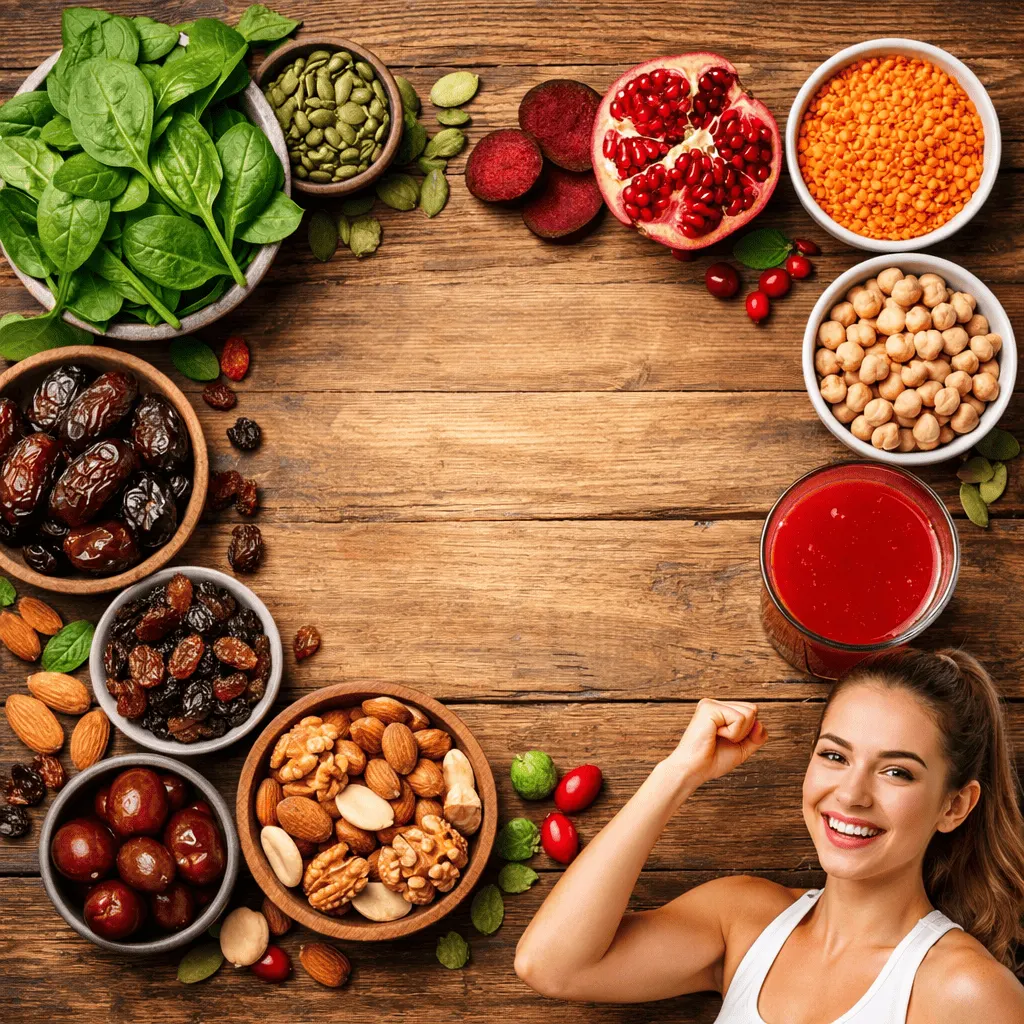
Plant foods (spinach, lentils)

Moderate absorption

Combining plant-based iron with vitamin C-rich foods enhances absorption significantly.

Best Iron-Rich Foods for Women

Including a variety of foods ensures balanced nutrition.

 Plant-Based Iron Sources
  • Spinach and leafy greens
  • Lentils (dal)
  • Chickpeas
  • Tofu
  • Pumpkin seeds
  • Sesame seeds (til)
  • Jaggery (gur)
 Animal-Based Iron Sources
  • Eggs
  • Chicken
  • Fish
  • Red meat (in moderation)
Vitamin C Foods (for Better Absorption)
  • Oranges
  • Lemon
  • Amla
  • Tomatoes
  • Bell peppers

Iron-Rich Diet Plan for Women with Low Energy

A structured meal plan helps maintain consistent iron intake throughout the day.

 Morning (Empty Stomach)

Start your day with warm water and lemon or amla juice to improve iron absorption and digestion.

 Breakfast

A balanced breakfast should include iron + protein + vitamin C.

Example:
Vegetable poha with peanuts + orange juice
OR
Oats with seeds + fruits

 Mid-Morning Snack

Choose iron-rich light snacks:

  • Apple with peanut butter
  • Handful of almonds and raisins
  • Coconut water

 Lunch

Lunch should be nutrient-dense and balanced.

Example:

Component

Food

Grain

Multigrain roti / brown rice

Protein

Dal / chicken / paneer

Vegetable

Spinach or beetroot sabzi

Salad

Lemon-dressed salad

 Evening Snack
  • Roasted chana
  • Herbal tea
  • Sprouts salad
Dinner

Keep dinner light but nutrient-rich.

Example:
Vegetable soup + paneer/tofu + sautéed greens

Bedtime
  • Warm milk with a pinch of turmeric
    OR
  • Soaked raisins

Foods to Avoid with Iron-Rich Diet

Some foods can block iron absorption if consumed together:

Avoid

Reason

Tea / coffee with meals

Reduces iron absorption

Excess calcium

Competes with iron

Processed foods

Low nutrient density

High sugar foods

Causes energy crashes

Tips to Improve Iron Absorption Naturally

To get maximum benefit from your iron-rich diet plan, follow these tips:

  • Combine iron foods with vitamin C
  • Avoid tea/coffee immediately after meals
  • Use iron cookware (like cast iron pans)
  • Include fermented foods for better digestion
  • Stay hydrated
Lifestyle Tips to Boost Energy

Along with diet, lifestyle also matters:

  • Maintain regular sleep schedule
  • Practice light exercise (walking, yoga)
  • Manage stress levels
  • Avoid skipping meals

Who Needs an Iron-Rich Diet the Most?

This diet is especially beneficial for:

  • Women with anemia
  • Teenage girls
  • Pregnant women
  • Lactating mothers
  • Women with heavy periods
  • Vegetarians with low iron intake
Frequently Asked Questions

It may take 4–8 weeks with proper diet and consistency.

Yes, but only under medical guidance.

Dates, raisins, and pomegranate are good sources.

No, a balanced diet with multiple sources is required.

Indirectly, yes. Low energy may reduce physical activity.

Final Thoughts

Low energy in women is often a sign that the body needs better nutrition. A well-planned iron-rich diet plan for women with low energy can significantly improve stamina, focus, and overall health.

By including iron-rich foods, enhancing absorption with vitamin C, and maintaining a balanced lifestyle, you can overcome fatigue naturally and feel more energetic every day.

Consistency is the key. Small daily changes in diet can lead to big improvements in your health and energy levels.

Top Features of a Successful Corporate Wellness Program

Top Features of a Successful Corporate Wellness Program

In today’s fast-paced corporate world, employee health is no longer just a personal responsibility—it has become a business priority. Organizations are increasingly realizing that a healthy workforce directly impacts productivity, engagement, and overall business growth. This is where a well-designed corporate wellness program plays a vital role.

A successful employee wellness program goes beyond occasional health activities. It is a structured, strategic approach that focuses on improving physical health, mental well-being, and lifestyle habits of employees. Companies that invest in comprehensive wellness initiatives often see reduced absenteeism, improved performance, and higher employee satisfaction.

In this blog, we will explore the top features of a successful corporate wellness program, along with insights into how these features contribute to long-term organizational success.

corporate wellness program

Why Corporate Wellness Programs Matter

Before understanding the features, it is important to know why wellness programs are essential.

Modern workplaces often involve long sitting hours, high stress levels, poor eating habits, and lack of physical activity. These factors increase the risk of lifestyle diseases such as obesity, diabetes, hypertension, and burnout.

A structured workplace wellness program helps:

  • Improve employee productivity
  • Reduce healthcare costs
  • Enhance workplace morale
  • Promote work-life balance
  • Build a positive company culture
1. Personalized Wellness Plans for Employees

One of the most important features of a successful corporate wellness program is personalization. Every employee has different health conditions, lifestyle habits, and fitness goals. A one-size-fits-all approach does not deliver effective results.

Personalized wellness plans consider factors such as:

  • Age and gender
  • Health conditions (like diabetes, PCOS, thyroid)
  • Dietary preferences
  • Work schedules
  • Fitness levels

For example, a desk job employee with back pain will need a different plan compared to someone focusing on weight loss.

Personalization ensures better engagement and long-term success.

2. Nutrition and Dietician Support

A strong nutrition component is essential in any corporate wellness program. Employees often rely on unhealthy snacks, fast food, or irregular eating patterns due to busy schedules.

Including dietician-led wellness programs helps employees adopt healthier eating habits through:

  • Customized diet plans
  • Office-friendly meal suggestions
  • Weight management guidance
  • Disease-specific nutrition (diabetes, thyroid, PCOS)

Healthy eating improves energy levels, concentration, and overall productivity at work.

3. Mental Health and Stress Management

Mental health is a critical pillar of employee wellness. High workloads, deadlines, and workplace pressure can lead to stress, anxiety, and burnout.

A successful program includes:

  • Stress management workshops
  • Meditation and mindfulness sessions
  • Counseling support
  • Work-life balance guidance

Focusing on mental well-being not only improves employee happiness but also enhances decision-making and creativity.

4. Physical Fitness and Activity Programs

Sedentary lifestyles are one of the biggest challenges in corporate environments. A well-designed wellness program encourages physical activity through:

  • Office workout sessions
  • Yoga classes
  • Step challenges
  • Fitness tracking

Even small movements during the day can significantly improve health and reduce fatigue.

5. Regular Health Checkups and Assessments

Preventive healthcare is a key feature of effective wellness programs. Regular health screenings help in early detection of potential health issues.

Common assessments include:

  • BMI and body composition
  • Blood sugar levels
  • Cholesterol levels
  • Blood pressure

Tracking health metrics helps employees stay aware of their health status and take proactive steps.

6. Continuous Monitoring and Progress Tracking

A successful corporate wellness program is not a one-time initiative. It requires ongoing monitoring and evaluation.

Tracking includes:

  • Weight changes
  • Fitness improvements
  • Dietary adherence
  • Participation levels

Regular follow-ups and feedback help employees stay motivated and committed.

7. Employee Engagement and Participation

Even the best wellness program fails without employee participation. Engagement is the key to success.

Companies can increase engagement by:

  • Organizing challenges and competitions
  • Offering rewards and incentives
  • Creating interactive wellness sessions
  • Encouraging team participation

When employees feel involved, they are more likely to adopt healthy habits.

8. Flexible and Accessible Programs

Flexibility is crucial in today’s hybrid and remote work culture. A successful program should be easily accessible to all employees.

This can include:

  • Online consultations with dieticians
  • Virtual fitness sessions
  • Mobile apps for tracking progress
  • Flexible schedules

Accessibility ensures higher participation across teams and locations.

9. Focus on Preventive Healthcare

Rather than treating illnesses, modern corporate wellness programs focus on prevention.

Preventive strategies include:

  • Healthy eating habits
  • Regular exercise
  • Stress management
  • Lifestyle modifications

Preventive healthcare reduces long-term medical costs and improves quality of life.

10. Measurable Results and ROI

For companies, measuring the effectiveness of a wellness program is essential. A successful program delivers visible results such as:

  • Reduced absenteeism
  • Increased productivity
  • Lower healthcare expenses
  • Improved employee retention

Tracking ROI helps organizations understand the value of their investment.

Key Features Summary Table

Feature

Impact on Employees

Benefit for Company

Personalized plans

Better adherence

Higher success rate

Nutrition support

Improved energy

Increased productivity

Mental wellness

Reduced stress

Better work performance

Fitness programs

Active lifestyle

Lower absenteeism

Health checkups

Early detection

Reduced healthcare cost

Progress tracking

Motivation

Measurable ROI

How to Build a Successful Corporate Wellness Program

To create an effective program, companies should:

  • Identify employee health needs
  • Partner with certified dieticians and wellness experts
  • Offer customized solutions
  • Ensure continuous engagement
  • Track and optimize results

A strategic approach ensures long-term success.

Frequently Asked Questions

It includes nutrition plans, fitness activities, mental health support, and health assessments.

Yes, they improve employee health, productivity, and job satisfaction.

Regularly, with weekly or monthly sessions for best results.

Yes, programs can be customized based on budget and company size.

Final Thoughts

A successful corporate wellness program is not just an employee benefit—it is a strategic investment in the company’s future. By focusing on personalized nutrition, mental health, physical activity, and preventive care, organizations can create a healthier, happier, and more productive workforce.

In today’s competitive business environment, companies that prioritize employee well-being gain a significant advantage in performance, retention, and growth.


Transform Your Body in 90 Days with Expert Dietician Guidance

Transform Your Body in 90 Days with Expert Dietician Guidance

Are you tired of trying different diet plans but still not seeing results? Do you struggle with stubborn weight, low energy, hormonal imbalance, or poor eating habits? If yes, it’s time to stop experimenting and start following a scientifically designed, personalized diet plan guided by expert dieticians.

A structured 90-day body transformation program can completely change your lifestyle, improve your metabolism, and help you achieve sustainable weight loss or muscle gain — all under professional guidance.

weight loss diet plan

Why 90 Days is the Perfect Time for Body Transformation

A 90-day period is ideal because it allows your body enough time to:

  • Adapt to a healthy diet plan
  • Improve metabolism
  • Reduce body fat gradually
  • Build sustainable habits
  • Balance hormones naturally

Unlike crash diets, a 90-day diet transformation plan focuses on long-term results instead of temporary changes.

What is a 90-Day Dietician-Guided Transformation Program?

A dietician-guided weight loss program is a structured plan where a certified expert designs your diet based on your:

  • Body type
  • Health condition (PCOS, thyroid, diabetes, etc.)
  • Lifestyle and routine
  • Food preferences
  • Fitness goals

This ensures that your plan is 100% personalized, practical, and result-oriented.

Key Benefits of Expert Dietician Guidance

Choosing a professional dietician instead of following random internet diets can make a huge difference.

 Personalized Diet Plan

Every body is different. A customized diet ensures better results compared to generic plans.

 Faster and Safe Weight Loss

With expert guidance, you lose weight without harming your metabolism or health.

 Hormonal Balance

A proper PCOS diet planthyroid diet plan, or metabolic diet plan helps regulate hormones naturally.

 Improved Energy Levels

Balanced nutrition keeps your energy stable throughout the day.

 Sustainable Lifestyle Changes

You learn habits that help maintain results long-term.

90-Day Transformation Plan – Step-by-Step Approach

A professional transformation plan is divided into 3 phases:

Sample Daily Diet Plan (Expert Guided)

Meal

Example

Breakfast

Oats with seeds + boiled eggs / paneer

Mid Snack

Fruit + nuts

Lunch

Multigrain roti + dal + vegetables + salad

Evening

Green tea + roasted seeds

Dinner

Grilled protein + sautéed vegetables

This type of balanced diet supports fat loss, muscle gain, and hormone balance.

Who Should Join a 90-Day Diet Plan?

This program is perfect for:

  • People struggling with weight loss
  • Women with PCOS or hormonal imbalance
  • Thyroid patients
  • Busy professionals
  • Postpartum mothers
  • Anyone wanting a lifestyle transformation
Why Generic Diet Plans Fail

Many people fail because they follow:

  • Internet diets
  • Crash dieting
  • Extreme calorie restriction
  • No professional guidance

These methods may give temporary results but harm metabolism in the long run.

A customized diet plan from a certified dietician ensures sustainable and safe transformation.

Real Results You Can Expect

With proper consistency and expert guidance, you can achieve:

  • 4–10 kg healthy weight loss (depending on body type)
  • Improved digestion
  • Better sleep
  • Hormonal balance
  • Increased confidence
Our Dietician Approach

At our clinic, we provide:

  • Personalized diet plans
  • Weekly follow-ups
  • Progress tracking
  • Lifestyle coaching
  • Easy home-based meal plans
  • No crash dieting

We focus on real food, real results, and long-term health.

Frequently Asked Questions

Yes, with proper diet and consistency, visible transformation is possible.

Not necessarily. Home workouts can also work effectively.

No, if you follow sustainable habits taught during the program.

No, it is flexible and based on your lifestyle.

Yes, customized plans are designed for medical conditions.

Final Thoughts

A 90-day body transformation with expert dietician guidance is not just about losing weight — it’s about changing your lifestyle, improving your health, and building long-term habits.

Instead of wasting time on trial-and-error diets, invest in a structured program that delivers real, lasting results.

7-Day PCOS Diet Plan to Manage Hormones Naturally

7-Day PCOS Diet Plan to Manage Hormones Naturally

Polycystic Ovary Syndrome (PCOS) is a complex hormonal disorder that affects millions of women worldwide. It is not just a reproductive condition; it is a metabolic and endocrine disorder deeply connected to insulin resistance, inflammation, and hormonal imbalance. Many women with PCOS struggle with irregular periods, stubborn weight gain, acne, hair thinning, mood swings, fatigue, and difficulty conceiving.

While medications are often prescribed as part of PCOS treatment, long-term management depends heavily on lifestyle changes. Among these, a scientifically structured PCOS diet plan plays a central role in restoring hormonal balance naturally. A balanced diet can regulate insulin levels, reduce inflammation, support ovulation, and promote sustainable weight loss.

This comprehensive guide explains how a 7-day PCOS diet plan can help manage hormones naturally, improve metabolism, and boost overall well-being.

PCOS Diet Plan
Why Diet is Crucial in PCOS Management

The root cause of PCOS in most women is insulin resistance. When the body does not respond properly to insulin, blood sugar levels rise. In response, the body produces even more insulin. Elevated insulin levels stimulate the ovaries to produce excess androgens (male hormones), which disrupt ovulation and menstrual cycles.

This creates a vicious cycle:

  • High insulin → High androgens
  • High androgens → Irregular ovulation
  • Irregular ovulation → Hormonal imbalance
  • Hormonal imbalance → Weight gain

A carefully planned PCOS weight loss diet helps break this cycle by stabilizing blood sugar levels and improving insulin sensitivity.

Core Principles of a PCOS Diet Plan

Before diving into the 7-day plan, it is important to understand the foundational principles that make a hormone balance diet effective for PCOS.

  1. Low Glycemic Index (Low GI) Foods

Low GI foods release glucose slowly into the bloodstream. This prevents sudden insulin spikes and supports steady energy levels throughout the day. Whole grains, legumes, vegetables, and certain fruits fall under this category.

  1. Balanced Protein Intake

Protein plays a critical role in regulating hunger hormones and stabilizing blood sugar. Including adequate protein in every meal prevents cravings and supports lean muscle mass, which further improves insulin sensitivity.

  1. Healthy Fats for Hormone Production

Hormones are made from fats. Including good-quality fats like omega-3 fatty acids reduces inflammation and supports endocrine function.

  1. High Fiber Intake

Fiber slows down glucose absorption and improves gut health. A healthy gut microbiome is strongly linked with hormonal balance.

  1. Anti-Inflammatory Nutrition

Chronic inflammation worsens PCOS symptoms. Including antioxidant-rich foods reduces oxidative stress and improves metabolic health.

Best Foods to Include in a PCOS Diet Plan

The following table summarizes food groups that are especially beneficial for managing PCOS naturally.

Food Category

Recommended Foods

Why They Help in PCOS

Whole Grains

Oats, quinoa, brown rice, millets

Stabilize blood sugar and reduce insulin spikes

Lean Proteins

Eggs, tofu, paneer, lentils, chicken

Improve metabolism and control hunger

Healthy Fats

Flaxseeds, walnuts, almonds, olive oil

Support hormone production and reduce inflammation

Vegetables

Spinach, broccoli, zucchini, carrots

High fiber and detox support

Low GI Fruits

Berries, apple, pear, kiwi

Provide antioxidants without raising blood sugar rapidly

Seeds

Chia, pumpkin, sunflower

Rich in zinc and omega-3 for hormonal balance

Foods to Avoid in PCOS

Dietary triggers can worsen insulin resistance and hormonal imbalance.

Foods to Limit or Avoid

Reason

Refined sugar

Causes insulin spikes

White bread & maida

High glycemic load

Sugary beverages

Increases fat storage

Fried and processed food

Promotes inflammation

Excess junk food

Disrupts gut health

7-Day PCOS Diet Plan to Manage Hormones Naturally

This structured meal plan focuses on balanced macronutrients, low GI foods, and anti-inflammatory ingredients.

Day 1

The first day focuses on stabilizing blood sugar and introducing fiber-rich foods.

Breakfast includes a bowl of oats cooked with chia seeds and topped with a few almonds. This combination provides fiber, healthy fats, and protein to maintain steady glucose levels.

Mid-morning snack consists of an apple and a handful of walnuts, offering antioxidants and omega-3 fatty acids.

Lunch includes multigrain roti with spinach dal and a mixed vegetable salad. This provides iron, plant protein, and fiber.

Evening snack includes green tea with roasted pumpkin seeds to reduce inflammation.

Dinner includes grilled paneer with sautéed vegetables like zucchini and carrots, ensuring a light but protein-rich meal.

Day 2

Day two emphasizes protein and complex carbohydrates.

Breakfast consists of vegetable poha cooked with peanuts, offering healthy fats and fiber.

Mid-morning snack includes papaya, which supports digestion.

Lunch includes brown rice with rajma (kidney beans) and cucumber salad, combining protein and low GI carbs.

Evening snack includes coconut water for hydration.

Dinner includes tofu stir fry with mixed vegetables and quinoa, ensuring sustained energy overnight.

Day 3

Day three introduces more anti-inflammatory elements.

Breakfast includes moong dal chilla with mint chutney. Lentils provide plant-based protein and fiber.

Snack includes almonds and green tea.

Lunch consists of millet roti with mixed vegetable curry and curd (if tolerated), supporting gut health.

Dinner includes grilled chicken (or paneer for vegetarians) with steamed broccoli.

Day 4

Breakfast includes a smoothie made with spinach, banana (half), peanut butter, and flaxseeds. This provides iron, omega-3, and sustained energy.

Lunch includes quinoa salad with chickpeas, cucumbers, and olive oil dressing.

Dinner includes lentil soup with sautéed greens.

Day 5

Breakfast includes scrambled eggs (or tofu) with multigrain toast.

Lunch includes brown rice with chole and fresh salad.

Dinner includes vegetable stir fry with paneer cubes.

Day 6

Breakfast includes oats with pumpkin seeds and milk (or almond milk).

Lunch includes millet khichdi with curd.

Dinner includes grilled fish (or tofu) with leafy greens.

Day 7

Breakfast includes besan chilla with mint chutney.

Lunch includes vegetable pulao made with brown rice and served with raita.

Dinner includes a light soup and seed-rich salad bowl.

How This PCOS Diet Plan Supports Hormone Balance

This 7-day PCOS diet plan works by:

  • Reducing insulin resistance
  • Improving gut microbiome
  • Lowering inflammation
  • Supporting ovulation
  • Encouraging sustainable weight loss

Consistency is essential. Hormonal improvement takes time, typically 2–3 months of disciplined eating.

Lifestyle Support for Better Results

A PCOS diet works best when combined with:

  • Strength training 3–4 times weekly
  • 30 minutes daily walking
  • Stress management techniques
  • 7–8 hours sleep
  • Proper hydration (2.5–3 liters daily)

Frequently Asked Questions

PCOS cannot be permanently cured, but symptoms can be significantly controlled through diet and lifestyle changes.

Yes, but brown rice or controlled portions are recommended.

Healthy weight loss is gradual. Expect visible changes within 6–12 weeks.

It depends on individual tolerance. Low-fat dairy in moderation is usually acceptable.

Thyroid Diet Plan for Fast Recovery and Energy Boost

Thyroid Diet Plan for Fast Recovery and Energy Boost

Thyroid disorders are becoming increasingly common, especially among women. Fatigue, unexplained weight changes, hair fall, mood swings, and low energy are some of the most noticeable symptoms. While medical thyroid treatment is essential, a well-structured thyroid diet plan plays a powerful role in supporting faster recovery, hormone balance, and improving daily energy levels.

Whether you are dealing with hypothyroidism (underactive thyroid) or hyperthyroidism (overactive thyroid), the right nutrition can help regulate metabolism, support hormone production, and reduce inflammation.

thyroid diet plan

Understanding the Thyroid and Its Role in Energy

The thyroid gland produces hormones (T3 and T4) that regulate:

  • Metabolism
  • Body temperature
  • Heart rate
  • Energy production
  • Mood and mental clarity

When thyroid hormone levels are imbalanced, metabolism slows down (hypothyroidism) or speeds up excessively (hyperthyroidism). Both conditions can cause severe fatigue and low stamina.

A proper thyroid diet plan for fast recovery and energy boost focuses on:

  • Supporting hormone production
  • Reducing inflammation
  • Improving gut health
  • Stabilizing blood sugar
  • Providing sustained energy
Key Nutrients for Thyroid Recovery

To enhance thyroid function naturally alongside medical thyroid treatment, focus on these nutrients:

Nutrient

Why It’s Important

Food Sources

Iodine

Essential for thyroid hormone production

Iodized salt, seaweed (moderate amount)

Selenium

Converts T4 into active T3

Brazil nuts, sunflower seeds, eggs

Zinc

Supports hormone balance

Pumpkin seeds, nuts, legumes

Iron

Prevents fatigue

Spinach, lentils, lean meat

Vitamin D

Supports immune function

Sunlight, fortified milk

B Vitamins

Boost energy production

Whole grains, eggs

Omega-3

Reduces inflammation

Walnuts, flaxseeds

Best Foods in a Thyroid Diet Plan

1️.Protein-Rich Foods

Protein stabilizes blood sugar and supports muscle repair.

  • Eggs
  • Paneer
  • Greek yogurt
  • Lentils
  • Lean chicken or fish
  • Tofu

Protein helps prevent energy crashes and supports metabolic balance.

2️.Anti-Inflammatory Foods

Chronic inflammation worsens thyroid symptoms. Include:

  • Turmeric
  • Ginger
  • Leafy greens
  • Berries
  • Olive oil

These foods improve recovery and reduce fatigue.

3️.Energy Boosting Complex Carbohydrates

Instead of refined carbs, choose:

  • Brown rice
  • Quinoa
  • Oats
  • Sweet potatoes
  • Millets

These provide sustained energy without blood sugar spikes.

4️.Healthy Fats for Hormonal Balance

Healthy fats improve hormone production.

  • Avocado
  • Nuts
  • Seeds
  • Coconut oil (moderate use)

Foods to Avoid in Thyroid Diet

Certain foods may interfere with thyroid function:

Avoid / Limit

Reason

Excess soy

May interfere with thyroid medication

Refined sugar

Causes inflammation and fatigue

Fried foods

Slow metabolism

Excess caffeine

Increases anxiety & heart rate

Raw cruciferous vegetables (in excess)

May affect iodine absorption

Cooking cruciferous vegetables reduces their goitrogenic effect.

7-Day Thyroid Diet Plan for Fast Recovery

Day 1

Breakfast: Oats with chia seeds + boiled egg
Mid-Morning: Apple + almonds
Lunch: Multigrain roti + spinach dal + salad
Evening: Green tea + roasted seeds
Dinner: Grilled paneer + sautéed vegetables

Day 2

Breakfast: Vegetable poha + walnuts
Snack: Banana
Lunch: Brown rice + rajma + cucumber
Evening: Coconut water
Dinner: Vegetable soup + tofu

(Continue similar balanced meals for full 7 days rotating proteins and vegetables.)

Lifestyle Tips to Boost Energy in Thyroid Patients
  1. Maintain consistent meal timing
  2. Stay hydrated (2.5–3 liters daily)
  3. Get 7–8 hours of sleep
  4. Light exercise (walking, yoga)
  5. Avoid stress triggers
How Diet Supports Thyroid Treatment

While medication regulates hormone levels, diet helps:

  • Improve nutrient absorption
  • Reduce inflammation
  • Stabilize metabolism
  • Improve energy levels
  • Prevent weight fluctuations

A combination of proper thyroid treatment + thyroid diet plan ensures faster recovery.

Common Symptoms That Improve with Proper Diet
  • Fatigue
  • Hair thinning
  • Mood swings
  • Weight gain
  • Brain fog
  • Constipation

Frequently Asked Questions (FAQs)

No. Diet supports thyroid treatment but does not replace medication.

Limit to 1 cup daily and avoid taking it near medication timing.

Most people notice improvement in energy within 3–6 weeks.

Not recommended for uncontrolled hypothyroidism.

Only if diagnosed with sensitivity or autoimmune thyroid condition.

Final Thoughts

A structured Thyroid Diet Plan for Fast Recovery and Energy Boost can dramatically improve your daily energy, hormonal balance, and overall well-being. By focusing on nutrient-dense foods, anti-inflammatory ingredients, and balanced meals, you can support your medical thyroid treatment effectively.

Consistency is key. Recovery doesn’t happen overnight, but with the right diet and lifestyle, you can restore energy, regulate metabolism, and feel stronger every day. 

Anti-Bloating Foods for Women After Delivery: Complete Postpartum Guide

Anti-Bloating Foods for Women After Delivery: Complete Postpartum Guide

Motherhood is one of the most beautiful and challenging journeys a woman can experience. While the arrival of a newborn brings immense joy, it also brings physical and emotional challenges, including hormonal fluctuations, digestive issues, water retention, and postpartum bloating.

For many women, bloating after delivery is a common issue. It can cause discomfort, heaviness, and interfere with daily activities, making the early postpartum weeks even more challenging. The good news is that proper nutrition, hydration, and lifestyle adjustments can significantly reduce bloating and improve overall well-being.

postpartum diet plan

Understanding Postpartum Bloating

Bloating after childbirth is a natural and common occurrence, but it can be aggravated by poor dietary habits, hormonal shifts, dehydration, and lack of physical activity.

Causes of Postpartum Bloating

  1. Hormonal Changes
    During pregnancy and after delivery, hormones like progesterone remain elevated. Progesterone relaxes the digestive muscles, slowing down bowel movements and causing bloating.
  2. Water Retention
    After delivery, your body may retain fluids to heal tissues and maintain hydration, especially if you had a cesarean delivery or significant swelling during pregnancy.
  3. Constipation
    Reduced mobility, pain medications, or iron supplements may lead to constipation, which can increase abdominal swelling and gas.
  4. Gas Accumulation
    Certain foods, including beans, carbonated drinks, and cruciferous vegetables, can produce gas and worsen bloating.
  5. Cesarean Section
    Recovery from C-section surgery can cause abdominal swelling, slower digestion, and temporary bloating.

Understanding the underlying causes helps in targeting your diet and lifestyle to alleviate bloating effectively.

Key Principles for Reducing Postpartum Bloating

While diet is central, a holistic approach is essential. Here are some principles every new mother should follow:

  1. Eat Small, Frequent Meals
    Large meals put pressure on the digestive system and can lead to gas accumulation. Eating 5–6 small meals supports efficient digestion.
  2. Stay Hydrated
    Water is crucial for flushing out excess sodium and reducing bloating. Aim for at least 3–3.5 liters of fluids daily, including water, herbal teas, and coconut water.
  3. Include Fiber-Rich Foods
    Fiber promotes smooth bowel movements and prevents constipation, a major contributor to bloating.
  4. Include Probiotics
    Fermented foods like yogurt or kefir help maintain a healthy gut microbiome, improving digestion and reducing gas.
  5. Avoid Gas-Producing Foods
    Limiting carbonated drinks, processed snacks, and certain vegetables can prevent bloating spikes.

Top Anti-Bloating Foods for Women After Delivery

Eating the right foods can support digestion, reduce inflammation, and relieve bloating naturally. Here’s a detailed breakdown:

Food

Benefits

How to Include

Papaya

Contains papain enzyme that aids digestion and reduces constipation

Fresh slices after breakfast or as a snack

Pineapple

Bromelain enzyme helps reduce inflammation and bloating

In fruit salads or smoothies

Cucumber

High water content, reduces water retention

Raw in salads or smoothies

Ginger

Stimulates digestion, reduces gas, nausea

Ginger tea, grated in meals, or added to soups

Fennel Seeds (Saunf)

Carminative; naturally relieves gas

Chew after meals or brew fennel tea

Yogurt / Probiotics

Restores healthy gut bacteria

Include plain yogurt with meals or as a snack

Banana

High in potassium, balances sodium, reduces water retention

Snack or in smoothies

Oats

High fiber, supports digestion

Oatmeal with fruits or nuts for breakfast

Leafy Greens (Spinach, Kale)

Fiber-rich, prevents constipation

Salads, sautéed, or in soups

Asparagus

Natural diuretic, reduces water retention

Steam or lightly sauté

Watermelon

Hydrating, reduces bloating and swelling

Snack or part of smoothie

Carom Seeds (Ajwain)

Improves digestion, reduces gas

Add in cooking or boil for water

Coconut Water

Hydrates and replenishes electrolytes

Drink between meals

Mint / Peppermint

Soothes the digestive tract

Add to teas or meals

Foods to Avoid to Prevent Postpartum Bloating

While incorporating anti-bloating foods, it’s equally important to avoid foods that aggravate bloating:

Food Category

Why Avoid

Carbonated drinks

Introduce gas into the digestive system

Deep-fried & processed foods

Heavy, slow to digest, increase inflammation

Excess sugar

Fermentation in gut causes gas

Raw cruciferous vegetables (cabbage, broccoli, cauliflower)

Can cause gas and bloating in sensitive stomachs

Excess salt

Causes water retention and swelling

Artificial sweeteners

Can trigger bloating and gas in some people

Sample 7-Day Anti-Bloating Meal Plan for New Mothers

Day 1

  • Breakfast: Oatmeal with banana slices + ginger tea
  • Mid-Morning Snack: Papaya or pineapple chunks
  • Lunch: Multigrain roti + steamed spinach + grilled paneer + cucumber salad
  • Evening Snack: Yogurt with chia seeds + coconut water
  • Dinner: Steamed asparagus + dal + brown rice
  • Bedtime: Warm fennel tea

Day 2

  • Breakfast: Moong dal cheela + mint chutney
  • Mid-Morning Snack: Watermelon slices
  • Lunch: Brown rice + rajma + cucumber & carrot salad
  • Evening Snack: Roasted almonds + ginger tea
  • Dinner: Steamed zucchini + grilled chicken + quinoa
  • Bedtime: Mint tea

(Continue variety for Days 3–7 with rotation of leafy greens, lean proteins, and fruits.)

Lifestyle Habits to Reduce Postpartum Bloating

Nutrition alone is not enough. Combining diet with healthy lifestyle habits maximizes results:

  1. Gentle Walking: Activates digestion and reduces gas accumulation.
  2. Postpartum Yoga: Poses like Cat-Cow and Wind-Relieving Pose help relieve bloating.
  3. Avoid Lying Down Immediately After Meals: Helps prevent digestive slow-down.
  4. Chew Food Slowly: Promotes digestion and reduces swallowed air.
  5. Abdominal Massage / Warm Compress: Gentle tummy massage improves circulation and reduces .
Common Postpartum Digestive Issues and How to Address Them
  1. Low Milk Supply Due to Bloating
  • Stay hydrated and include galactagogue foods like oats and fenugreek.
  1. Constipation
  • Add fiber-rich foods (oats, fruits, leafy greens) and drink plenty of water.
  1. Gas and Cramping
  • Use ginger, fennel, and mint in diet to improve digestion.
  1. Water Retention
  • Limit salt intake, drink coconut water, and consume potassium-rich foods like bananas.
Frequently Asked Questions (FAQs)

 Typically, bloating reduces within 2–6 weeks post-delivery, depending on diet, hydration, and activity.

Yes, but gas-producing vegetables should be lightly cooked or steamed.

 Yes, probiotic foods like yogurt restore gut bacteria and improve digestion.

Absolutely. Proper hydration reduces water retention and supports digestion.

Yes, ginger reduces gas, nausea, and digestive discomfort. It’s safe for breastfeeding mothers.

Conclusion

Postpartum bloating is a common but manageable condition. By focusing on anti-bloating foods, proper hydration, and supportive lifestyle habits, new mothers can reduce discomfort, improve digestion, and accelerate recovery after delivery.

Key takeaways:

  • Include papaya, pineapple, cucumber, ginger, fennel seeds, yogurt, leafy greens, oats, and bananas in daily meals.
  • Avoid processed foods, excess salt, carbonated drinks, and raw gas-producing vegetables.
  • Drink plenty of water, practice gentle movement, and prioritize rest.
  • Combine diet with postpartum yoga, walking, and mindful eating for best results.

With consistent effort, a well-planned anti-bloating diet helps new mothers feel lighter, energetic, and ready to embrace motherhood fully.

Complete Lactation Diet Plan for New Mothers

Complete Lactation Diet Plan for New Mothers

A Comprehensive Guide to Improve Breast Milk Supply, Support Recovery & Maintain Energy Naturally

The postpartum period is one of the most physically demanding and emotionally sensitive phases in a woman’s life. After childbirth, your body is healing, your hormones are fluctuating, sleep is irregular, and you are now responsible for nourishing another human being through breastfeeding.

During this time, following a structured and nutrient-rich lactation diet plan for new mothers becomes essential—not just for increasing breast milk supply, but also for protecting your own health, strength, mood stability, and long-term recovery.

Many new mothers underestimate how nutritionally demanding breastfeeding can be. Breast milk production is not automatic magic; it depends heavily on your calorie intake, protein consumption, hydration levels, micronutrient stores, and hormonal balance. A poorly planned breastfeeding diet plan may lead to fatigue, irritability, low milk supply, hair thinning, weakness, and nutrient depletion over time.

This complete guide will help you understand:

  • What a complete lactation diet plan looks like
  • How to increase breast milk naturally
  • Daily calorie and nutrient requirements during breastfeeding
  • Indian meal plan examples for nursing mothers
  • Postpartum weight management without affecting milk supply
  • Foods to avoid during lactation
  • Lifestyle habits that support breastfeeding

Let’s explore everything in depth.

Lactation Diet Plan
Understanding the Nutritional Demands of Breastfeeding

Breastfeeding mothers burn approximately 400–500 extra calories per day to produce breast milk. However, these calories must come from nutrient-dense foods, not empty calories.

Breast milk contains:

  • High-quality protein
  • Essential fatty acids
  • Lactose (natural milk sugar)
  • Vitamins (A, B-complex, D, E, K)
  • Minerals (calcium, magnesium, zinc, iodine)
  • Immune-supporting antibodies

If your diet lacks these nutrients, your body compensates by using stored reserves. Over time, this may cause exhaustion and deficiencies.

This is why a complete lactation diet plan for new mothers focuses on:

✔ Adequate protein
✔ Healthy fats
✔ Complex carbohydrates
✔ Iron and calcium
✔ Proper hydration
✔ Anti-inflammatory foods

Daily Nutritional Requirements During Lactation

Below is a simplified breakdown of key nutrient needs:

Nutrient

Why It’s Important

Sources

Protein

Milk production, tissue repair

Dal, paneer, eggs, chicken

Calcium

Bone protection

Milk, sesame, ragi

Iron

Prevent anemia

Spinach, jaggery, lentils

Omega-3

Baby’s brain development

Flaxseeds, walnuts

Fiber

Prevent constipation

Fruits, vegetables, oats

Water

Milk production

3–3.5 liters daily

Protein: The Foundation of a Lactation Diet Plan

Protein is the most critical nutrient during breastfeeding. It supports:

  • Tissue repair after delivery
  • Hormonal balance
  • Sustained milk production
  • Muscle strength

Recommended Intake:

Approximately 70–100 grams per day

High-Quality Protein Sources:

  • Moong dal, masoor dal
  • Rajma, chole
  • Paneer
  • Curd
  • Eggs
  • Chicken
  • Fish
  • Tofu

A protein-rich breastfeeding diet plan ensures stable energy and reduces postpartum fatigue.

Healthy Fats: Essential for Baby’s Brain & Hormones

Healthy fats improve milk quality and support hormone regulation.

Include:

  • Almonds and walnuts
  • Flaxseeds and chia seeds
  • Pure desi ghee (in moderation)
  • Coconut
  • Avocado

Avoid trans fats and highly processed oils.

Complex Carbohydrates: Energy Without Crashes

New mothers often experience energy dips. Refined carbs cause spikes and crashes, while complex carbs provide steady fuel.

Best Choices:

  • Oats
  • Brown rice
  • Whole wheat roti
  • Millets (ragi, jowar)
  • Sweet potatoes
Hydration: The Most Overlooked Factor

Breast milk is nearly 90% water. Even mild dehydration may affect milk supply.

Ideal Fluid Intake:

3–3.5 liters daily

Include:

  • Plain water
  • Coconut water
  • Buttermilk
  • Soups
  • Herbal drinks

Keep a water bottle near you during feeding sessions.

Foods That Naturally Increase Breast Milk Supply​

Certain foods known as natural galactagogues may help boost milk production.

Lactation-Boosting Foods:

  • Fenugreek seeds (methi)
  • Fennel seeds (saunf)
  • Ajwain water
  • Oats
  • Garlic
  • Dill leaves
  • Whole grains

These can be included in your daily lactation diet plan.

Complete 7-Day Lactation Diet Plan (Indian Style)

Day 1

Time

Meal

Early Morning

Warm water + soaked almonds

Breakfast

Vegetable oats + curd

Mid-Morning

Banana + coconut water

Lunch

Multigrain roti + dal + lauki sabzi + salad

Evening

Roasted makhana

Dinner

Khichdi + paneer bhurji

Bedtime

Haldi milk

Day 2

Breakfast: Moong dal cheela + mint chutney
Lunch: Brown rice + rajma + cucumber salad
Dinner: Vegetable soup + roti + palak paneer

(Continue rotating dals, vegetables, and proteins throughout week.)

Lactation Diet Plan for Safe Postpartum Weight Loss

Weight loss during breastfeeding should be gradual.

Safe Strategy:

  • Avoid extreme calorie restriction
  • Maintain minimum 1800–2000 calories
  • Walk 30 minutes daily
  • Do postpartum-approved exercises
  • Focus on protein and fiber

Gradual fat loss of 0.5 kg per week is safe.

Crash dieting may reduce milk supply and affect mood.

Common Breastfeeding Challenges & Dietary Solutions

Low Milk Supply

Increase hydration and protein intake. Add oats and fenugreek.

Hair Fall

Improve iron, protein, and omega-3 intake.

Fatigue

Increase calorie intake slightly and ensure iron-rich foods.

Constipation

Add fiber-rich fruits and vegetables.

Foods to Avoid During Breastfeeding
  • Excess caffeine
  • Alcohol
  • Highly processed packaged food
  • Sugary drinks
  • Artificial sweeteners

Moderation is key.

Lifestyle Habits That Support Lactation

Diet works best when combined with:

  • Adequate rest
  • Stress management
  • Gentle stretching or walking
  • Emotional support

Stress hormones can affect milk flow, so relaxation matters.

FAQs – Complete Lactation Diet Plan for New Mothers

Limit to 1–2 cups per day.

Yes, dehydration may reduce supply.

Yes, gradual and balanced weight loss is safe.

Fenugreek, oats, fennel seeds may help.

Final Conclusion

A complete lactation diet plan for new mothers is about nourishing yourself to nourish your baby. Breastfeeding is physically demanding, and your body needs proper fuel to maintain milk production, heal after childbirth, and stay energized.

Focus on protein-rich foods, healthy fats, complex carbs, hydration, and traditional nutrient-dense meals. Avoid crash dieting and prioritize gradual recovery.

Motherhood requires strength—and strength begins with nutrition

Pre-Wedding Workout Plan to Get Fit in 3 Months

Pre-Wedding Workout Plan to Get Fit in 3 Months

Your wedding is not just a ceremony—it’s a once-in-a-lifetime moment where every eye is on you. From wedding outfits and photos to rituals and celebrations, you want to feel fit, confident, energetic, and comfortable in your own body. That’s exactly where a well-planned pre-wedding workout plan becomes essential.

Many brides and grooms believe they need extreme dieting or intense workouts to look good before marriage. In reality, crash diets and overtraining do more harm than good. The smartest way to transform your body before wedding is a balanced 3-month pre-wedding workout plan that focuses on fat loss, muscle toning, posture improvement, stamina, and overall wellness.

This guide is designed to help you understand how to get fit in 3 months before wedding, step by step, without stress, weakness, or burnout.

pre wedding diet plan
Why Pre-Wedding Fitness Is More Than Just Weight Loss

Most people think pre-wedding fitness is only about losing weight. But true wedding fitness goes far beyond the weighing scale.

A proper pre-wedding workout routine helps you:

  • Improve body posture (very important for wedding outfits)
  • Tone arms, waist, back, and thighs
  • Increase stamina for long wedding functions
  • Reduce bloating and water retention
  • Manage stress and anxiety
  • Improve sleep quality
  • Achieve natural skin glow

When your body is strong and balanced, it automatically looks better in photos and outfits.

The Biggest Mistake People Make Before Wedding

The most common mistakes are:

  • Starting workouts too late
  • Starving themselves to lose weight quickly
  • Doing only cardio and ignoring strength training
  • Over-exercising without rest
  • Following random workouts from social media

These mistakes often lead to:

  • Hair fall
  • Weakness
  • Hormonal imbalance
  • Weight regain after wedding

A structured pre-wedding workout plan avoids all of this.

Is 3 Months Really Enough to Get Fit Before Wedding?

Yes—3 months is a perfect transformation window if used correctly.

Here’s why:

  • Your body needs time to adapt
  • Fat loss should be gradual
  • Muscle toning needs consistency
  • Skin and posture improve over time

Instead of shocking your body, a 3-month pre-wedding fitness plan works with your body.

3-Month Pre-Wedding Workout Strategy

Phase

Focus

What Changes You’ll See

Month 1

Fat loss + stamina

Weight reduction, less bloating

Month 2

Muscle toning

Shape, firmness, better fit

Month 3

Sculpting & polish

Lean, confident wedding body

MONTH 1: Fat Loss, Stamina & Habit Building

The first month is all about preparing your body. This phase is extremely important because it sets the foundation for visible transformation later.

Primary Goals of Month 1

  • Burn excess fat
  • Improve metabolism
  • Build workout consistency
  • Increase energy levels
Month 1 Workout Structure (Detailed)

Cardio Training (4–5 Days per Week)

Cardio helps your body burn calories and improves heart health.

Best options:

  • Brisk walking (outdoor or treadmill)
  • Cycling
  • Cross trainer
  • Light jogging
  • Skipping

 Duration: 25–35 minutes
Intensity: Moderate (you should be able to talk, not sing)

Strength training prevents muscle loss and improves body shape.

Exercises to Include

  • Squats (thighs & glutes)
  • Lunges (legs & balance)
  • Wall push-ups (arms & chest)
  • Glute bridges (lower body shaping)
  • Plank (core tightening)

Duration: 20–25 minutes

Stretching & Mobility (Daily)
Stretching helps reduce stiffness and improves posture.
  • Neck rolls
  • Shoulder stretches
  • Hip openers
  • Hamstring stretches
What You’ll Notice by End of Month
  • Weight starts dropping slowly
  • Clothes feel slightly loose
  • Digestion improves
  • Energy levels increase
  • Better sleep

This phase builds confidence and discipline.

MONTH 2: Muscle Toning & Body Shaping

This is the most visually rewarding phase of the pre-wedding workout plan. The focus now shifts from just fat loss to shaping and toning.

Why Muscle Toning Is Crucial Before Wedding

Toning:

  • Gives a firm and sculpted look
  • Improves posture
  • Enhances outfit fitting
  • Prevents saggy appearance after weight loss
Month 2 Workout Breakdown (In Depth)

Upper Body Toning (Arms, Back, Shoulders)

Important for:

  • Sleeveless blouses
  • Backless dresses
  • Fitted suits

Exercises

  • Shoulder press
  • Bicep curls
  • Tricep dips
  • Resistance band rows / lat pull-down

Lower Body Toning (Thighs & Glutes)

Helps:

  • Reduce thigh fat
  • Improve leg shape
  • Enhance walking posture

Exercises

  • Squats
  • Lunges
  • Step-ups
  • Hip thrusts

Core & Waist Tightening

This is where belly and waist transformation happens.

Exercises

  • Plank variations
  • Russian twists
  • Leg raises
  • Mountain climbers

Cardio (3–4 Days / Week)

  • HIIT workouts
  • Dance cardio
  • Incline walking
  • 20–25 minutes
Results by End of Month 2
  • Visible toning in arms and waist
  • Reduced belly fat
  • Better posture
  • Clothes fit beautifully
  • Increased strength

MONTH 3: Sculpting & Wedding-Ready Phase

The final month is about refinement, not exhaustion. This phase makes you look polished and confident, not tired.

Focus of Month 3

  • Maintain fat loss
  • Improve muscle definition
  • Reduce water retention
  • Boost stamina
  • Avoid injury

Month 3 Workout Style

Full-Body Combination Workouts

  • Strength + cardio circuits
  • Functional movements
  • Light resistance training

Low-Impact Cardio

  • Walking
  • Swimming
  • Cycling

This keeps the body active without stress.

By the Wedding Day, You’ll Notice

  • Lean and toned body
  • Confident posture
  • Better endurance
  • Calm and positive mindset
  • Natural glow
Sample Weekly Pre-Wedding Workout Schedule

Day

Workout

Monday

Upper body + cardio

Tuesday

Lower body

Wednesday

Core + HIIT

Thursday

Yoga & stretching

Friday

Full body

Saturday

Light cardio

Sunday

Rest

Diet Tips That Make or Break Your Results

No workout plan works without proper nutrition.

Focus On:

  • Protein-rich foods
  • Seasonal fruits & vegetables
  • Whole grains
  • Healthy fats

Avoid:

  • Crash diets
  • Skipping meals
  • Excess sugar
  • Fried junk food

Drink 2.5–3 liters of water daily.

Common Pre-Wedding Workout Myths

 “Only cardio is enough”
  “Eating less means losing weight faster”
  “More workout = faster results”

Truth: Balance + consistency wins every time.

FAQs: Pre-Wedding Workout Plan

 Yes, this plan is beginner-friendly.

 No, toning workouts create a lean look. 

Yes, with minimal equipment.

 Absolutely. Recovery improves results.

Yes, fitness improves circulation and skin health.

Final Thoughts

A pre-wedding workout plan to get fit in 3 months is not about chasing perfection—it’s about becoming the healthiest, strongest, and most confident version of yourself before your big day.

When you feel good inside, it automatically shows outside.
And that confidence? That’s what truly makes you shine on your wedding day