Author: admin

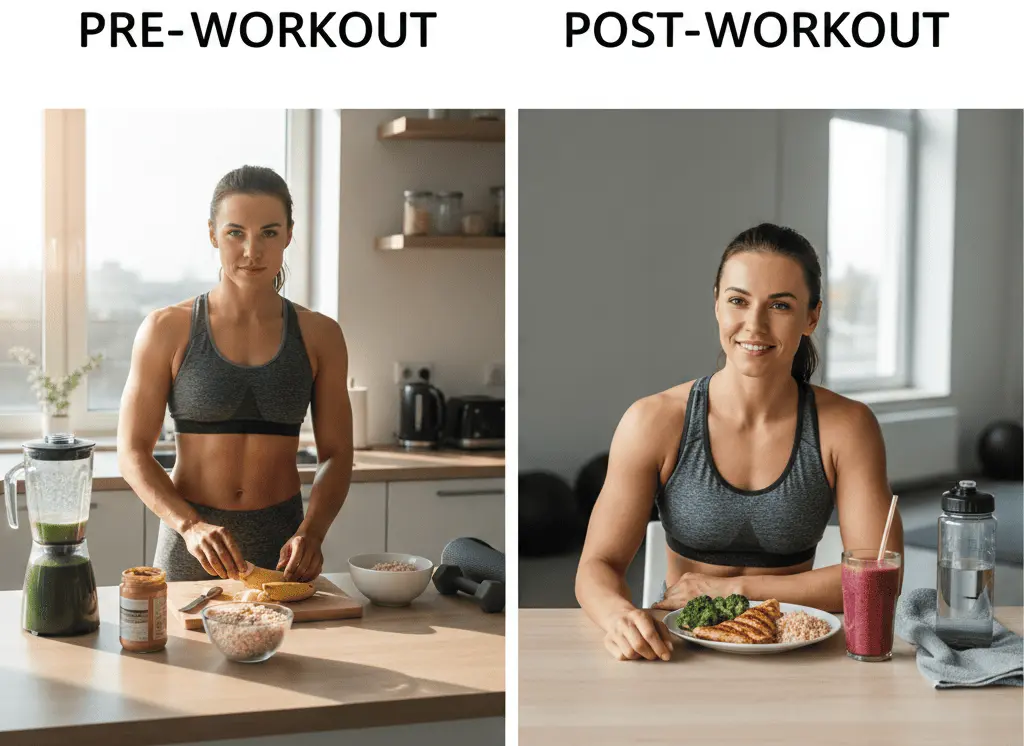
Pre-Workout vs Post-Workout Meals: What’s Better?

Pre-Workout vs Post-Workout Meals: What’s Better?

When it comes to fitness, exercise is only half the equation — nutrition before and after your workout plays a huge role in your results. Many people ask:

Should I eat before workout or after?
Which is more important — pre-workout meals or post-workout meals?

The truth is, both pre-workout and post-workout nutrition are important, but they serve different purposes in muscle gain, fat loss, strength, and recovery.

In this guide, we’ll break down pre-workout vs post-workout meals, their benefits, what to eat, and how to plan your meals for the best fitness results.

Weight Management services in ludhiana

Why Workout Nutrition Matters

Your body needs fuel to perform and nutrients to recover.

  • Pre-workout meals provide energy and improve performance
  • Post-workout meals help muscle recovery and growth

Without proper nutrition, you may experience:

  • Fatigue during workouts
  • Poor muscle recovery
  • Muscle loss
  • Slow fat loss progress

That’s why understanding workout meal timing is key for better results.

What Is a Pre-Workout Meal?

A pre-workout meal is food eaten 30 minutes to 2 hours before exercise to give your body enough energy to perform well.

Goals of Pre-Workout Nutrition

✅ Increase energy levels
✅ Improve endurance and strength
✅ Prevent muscle breakdown
✅ Enhance workout performance

What Happens If You Skip a Pre-Workout Meal?

Training on an empty stomach may lead to:

  • Low energy
  • Dizziness or weakness
  • Poor performance
  • Muscle breakdown instead of fat loss

Especially for strength training and intense cardio, pre-workout nutrition is important.

Best Nutrients for Pre-Workout Meals

Nutrient

Why It’s Important

Carbohydrates

Main energy source for workouts

Protein

Prevents muscle breakdown

Healthy fats (small amount)

Sustained energy (optional)

Fluids

Prevent dehydration

Best Pre-Workout Meal Ideas

If You Have 2 Hours Before Workout

  • Brown rice + vegetables + paneer/tofu
  • Oats with peanut butter and banana
  • Whole wheat sandwich with egg or hummus

If You Have 30–60 Minutes Before Workout

  • Banana with peanut butter
  • Apple + handful of nuts
  • Yogurt with fruits
  • Protein smoothie with banana

These foods provide quick energy and support muscle performance.

What Is a Post-Workout Meal?

A post-workout meal is eaten within 30–60 minutes after exercise to help the body recover and rebuild.

Goals of Post-Workout Nutrition

✅ Repair muscle tissue
✅ Promote muscle growth
✅ Restore energy stores
✅ Reduce muscle soreness

Why Post-Workout Meals Are Crucial

After exercise, your body is in recovery mode. Muscles are slightly damaged and glycogen (stored energy) is depleted.

Without proper post-workout nutrition:

  • Muscle recovery slows
  • Fatigue increases
  • Muscle gain becomes difficult
  • You may feel sore for longer

This is why many experts say post-workout meals are critical for muscle building.

Best Nutrients for Post-Workout Meals

Nutrient

Role in Recovery

Protein

Repairs and builds muscles

Carbohydrates

Restores glycogen (energy)

Electrolytes

Replace minerals lost in sweat

Fluids

Rehydration

Best Post-Workout Meal Ideas

Vegetarian Options

  • Paneer bhurji + roti
  • Dal + rice + salad
  • Tofu stir-fry with veggies
  • Protein smoothie with milk + banana

Non-Vegetarian Options

  • Grilled chicken + sweet potato
  • Boiled eggs + toast
  • Fish + brown rice

These meals support muscle recovery and growth after workouts.

Pre-Workout vs Post-Workout Meals: Key Differences

Factor

Pre-Workout Meal

Post-Workout Meal

Purpose

Energy & performance

Recovery & muscle growth

Timing

Before exercise

After exercise

Focus Nutrient

Carbohydrates

Protein + Carbs

Benefit

Improves stamina

Reduces soreness

Needed For

Strength & endurance

Muscle repair

Which Is More Important: Pre or Post Workout Meal?

The answer depends on your goal.

For Energy & Performance → Pre-Workout Meal is Key

You can’t train well without fuel.

For Muscle Gain & Recovery → Post-Workout Meal is Critical

Muscles grow during recovery, not during exercise.

Best Approach → Both Meals Matter

For optimal results, combine pre-workout nutrition + post-workout recovery meals.

Meal Timing Based on Fitness Goals

Muscle Gain

  • Pre-workout: Carbs + Protein
  • Post-workout: High Protein + Carbs

 Fat Loss

  • Pre-workout: Light carbs + protein
  • Post-workout: Protein-rich, moderate carbs

 Endurance Training

  • Pre-workout: Higher carbs
  • Post-workout: Carbs + protein + electrolytes

    Common Mistakes to Avoid

    ❌ Working out on an empty stomach (low performance)
    ❌ Eating heavy fried food before workout
    ❌ Skipping protein after workout
    ❌ Delaying post-workout meal for hours
    ❌ Only taking supplements but ignoring real food

Do You Need Supplements?

Supplements are optional. Real food works well.

Supplement

Useful For

Whey protein

Quick post-workout protein

Creatine

Strength and power

BCAAs

Long workouts (optional)

Food should always be the foundation of your workout nutrition plan

Hydration Is Also Important

Both pre and post workout hydration matters.

  • Drink water 30–60 minutes before workout
  • Sip water during exercise
  • Rehydrate after workout

Dehydration reduces performance and slows recovery.

Signs Your Workout Nutrition Is Poor

  • Constant fatigue
  • Muscle soreness lasting days
  • No strength improvement
  • Hair fall or weakness
  • Poor muscle gain

Improving pre-workout and post-workout meals can fix many of these issues.

FAQs: Pre-Workout vs Post-Workout Meals

Light cardio may be okay, but strength training needs fuel.

Within 30–60 minutes for best recovery.

Yes, it’s a great quick carb source.

Try to eat as soon as possible; don’t delay for hours.

Not necessary, but convenient.

Final Verdict

When comparing pre-workout vs post-workout meals, it’s not about choosing one — it’s about using both strategically.

 Pre-workout meals fuel performance
Post-workout meals build and repair muscles

If you want better strength, fat loss, endurance, and muscle gain, proper workout nutrition is just as important as exercise.

Eat smart, train hard, and recover well — that’s the real fitness formula

Early Symptoms of Thyroid Problems You Should Not Ignore

Early Symptoms of Thyroid Problems You Should Not Ignore

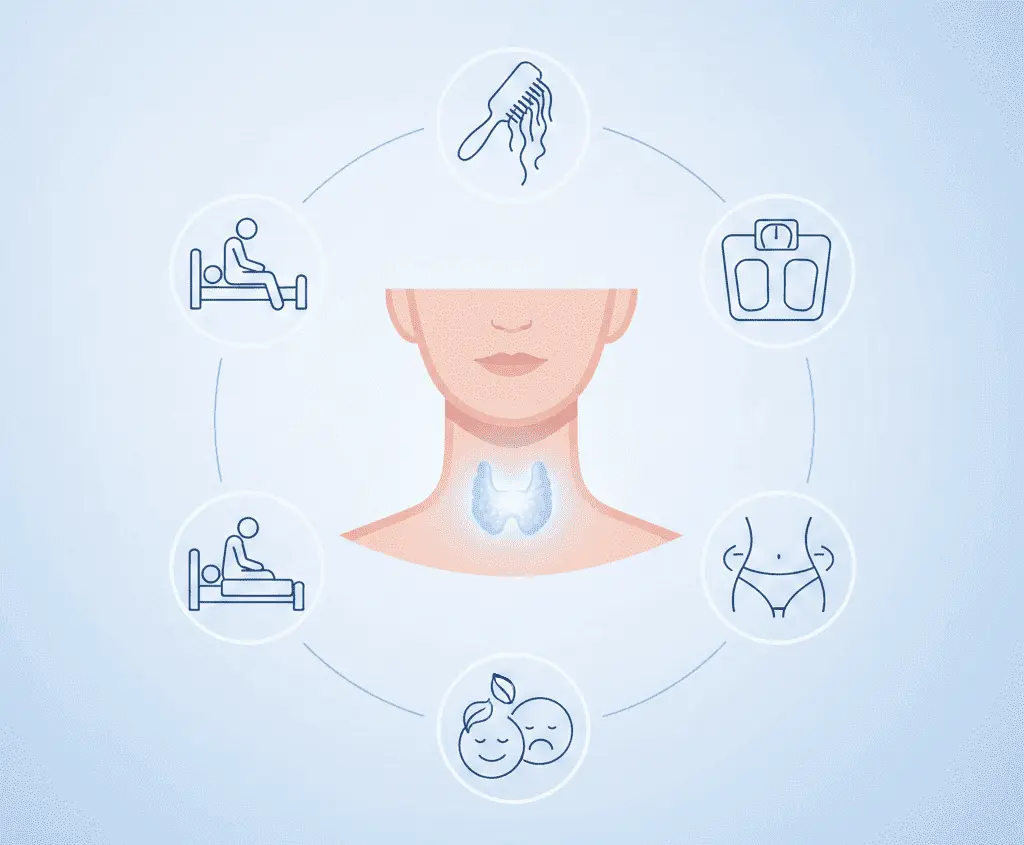
Thyroid disorders are becoming increasingly common due to stress, poor diet, hormonal imbalance, and lifestyle changes. Unfortunately, many people ignore the early symptoms of thyroid problems, assuming they are normal health issues. This delay often leads to severe complications and makes thyroid treatment more difficult later.

The thyroid gland may be small, but it plays a huge role in controlling metabolism, weight, energy levels, hormones, heart rate, and mental health. Recognizing the early warning signs can help you seek timely diagnosis and proper thyroid treatment before the condition worsens.

thyroid treatment in ludhiana

What Is the Thyroid Gland?

The thyroid is a butterfly-shaped gland located in the front of the neck. It produces thyroid hormones (T3 and T4) that regulate:

  • Metabolism
  • Body temperature
  • Weight
  • Heart rate
  • Digestion
  • Mood and brain function
  • Menstrual cycle

When the thyroid produces too little hormone (Hypothyroidism) or too much hormone (Hyperthyroidism), it disrupts the entire body.

Why Early Detection of Thyroid Problems Is Important

Ignoring early symptoms may lead to:

  • Severe weight gain or weight loss
  • Infertility
  • PCOD / PCOS
  • Diabetes risk
  • Depression and anxiety
  • Heart disease
  • Chronic fatigue

Early diagnosis allows effective thyroid treatment, lifestyle correction, and better long-term health outcomes.

Early Symptoms of Thyroid Problems You Should Never Ignore

1. Unexplained Weight Changes

Sudden weight gain or weight loss without any change in diet or exercise is a major red flag.

  • Hypothyroidism: Weight gain, slow metabolism
  • Hyperthyroidism: Rapid weight loss, increased appetite

If weight issues persist, proper thyroid treatment is essential.

2. Constant Fatigue and Low Energy

Feeling tired even after proper sleep is one of the most common early symptoms.

  • Low thyroid hormone slows energy production
  • You may feel exhausted throughout the day
  • Daily tasks start feeling difficult

Many people confuse this with stress, delaying thyroid treatment.

3. Hair Fall and Hair Thinning

Excessive hair fall is an early sign of thyroid imbalance.

  • Dry, brittle hair
  • Hair thinning from scalp and eyebrows
  • Slow hair growth

Correct thyroid treatment and nutrition can help reverse this.

4. Mood Swings, Anxiety, or Depression

Thyroid hormones directly affect brain chemistry.

  • Hypothyroidism → Depression, low mood
  • Hyperthyroidism → Anxiety, irritability, restlessness

Mental health symptoms often improve with proper thyroid treatment.

5. Irregular Menstrual Cycle and Fertility Issues

In women, thyroid problems can cause:

  • Delayed or missed periods
  • Heavy or light bleeding
  • Difficulty in conceiving
  • PCOD-like symptoms

Timely thyroid treatment helps restore hormonal balance.

6. Feeling Cold or Excessive Heat Sensitivity

  • Hypothyroidism → Feeling cold all the time
  • Hyperthyroidism → Excess sweating, heat intolerance

Temperature sensitivity is a clear sign your metabolism is disturbed.

7. Digestive Issues (Constipation or Diarrhea)

Thyroid hormones control digestion speed.

Thyroid Condition

Digestive Symptom

Hypothyroidism

Constipation

Hyperthyroidism

Loose motions / diarrhea

Digestive health improves once thyroid treatment begins.

8. Dry Skin or Excessive Sweating

  • Dry, rough, pale skin → Hypothyroidism
  • Warm, moist skin → Hyperthyroidism

Skin changes are often early signs people ignore.

9. Slow or Rapid Heart Rate

  • Hypothyroidism → Slow heartbeat
  • Hyperthyroidism → Palpitations, fast heartbeat

Heart-related symptoms require urgent thyroid treatment.

10. Brain Fog and Poor Concentration

Many patients complain of:

  • Forgetfulness
  • Poor memory
  • Lack of focus

This condition is often called “thyroid brain fog” and improves with treatment.

Hypothyroidism vs Hyperthyroidism: Early Symptoms Comparison

Symptom

Hypothyroidism

Hyperthyroidism

Weight

Gain

Loss

Energy

Low

High but restless

Heart Rate

Slow

Fast

Appetite

Low

High

Bowel Movement

Constipation

Diarrhea

Mood

Depression

Anxiety

Common Causes of Thyroid Problems

  • Stress and poor sleep
  • Iodine imbalance
  • Autoimmune diseases (Hashimoto’s, Graves’)
  • PCOD and hormonal disorders
  • Pregnancy and postpartum changes
  • Nutritional deficiencies

Identifying the cause helps personalize thyroid treatment.

How Thyroid Problems Are Diagnosed

Doctors usually recommend:

  • TSH test
  • T3 and T4 levels
  • Thyroid antibodies (if required)
  • Ultrasound (in some cases)

Early testing ensures faster and more effective thyroid treatment.

Role of Diet and Lifestyle in Thyroid Treatment

While medication is important, diet and lifestyle play a key role in managing thyroid disorders.

Thyroid-Friendly Diet Includes:

  • Whole grains
  • Fresh fruits and vegetables
  • Adequate protein
  • Selenium and zinc-rich foods
  • Anti-inflammatory foods

Avoid:

  • Excess junk food
  • Highly processed sugar

Irregular eating habits

Can Early Thyroid Treatment Reverse Symptoms?

Yes, in many cases:

  • Energy levels improve
  • Weight becomes manageable
  • Hair fall reduces
  • Periods become regular
  • Mood stabilizes

Early thyroid treatment prevents long-term complications.

FAQs: Early Symptoms of Thyroid Problems

Yes, thyroid symptoms often develop gradually, making them easy to ignore.

With proper thyroid treatment, many people manage it successfully long-term.

Diet supports treatment but does not replace medical thyroid treatment.

Chronic stress can trigger or worsen thyroid imbalance.

Yes, women are more likely to develop thyroid disorders than men.

Final Thoughts

Ignoring the early symptoms of thyroid problems can lead to serious health issues. Awareness, timely testing, and the right thyroid treatment can help you live a healthy, balanced life.

If you notice persistent symptoms like fatigue, weight changes, hair fall, or mood swings, don’t delay—early action makes all the difference.


Metabolism Boosting Foods You Should Eat Daily

Metabolism Boosting Foods You Should Eat Daily

Metabolism is the engine of your body. It decides how fast you burn calories, how efficiently you digest food, how easily you gain or lose weight, and how energetic you feel throughout the day.

Many people believe that metabolism is purely genetic. But the truth is — your daily food choices can significantly influence your metabolic speed.

If you often feel tired, struggle with weight loss, experience bloating, or gain fat easily, a slow metabolism may be the reason.

The good news?
👉 You can naturally improve your metabolism with the right foods and lifestyle habits.

What Is Metabolism in Simple Words?

Metabolism is the process by which your body converts:

👉 Food → Energy

Your body uses this energy for:

  • Breathing
  • Blood circulation
  • Body temperature control
  • Cell repair
  • Hormone production
  • Brain function

Even when you are sleeping, your metabolism is working.

The number of calories your body burns at rest is called Basal Metabolic Rate (BMR).

BMR Level

Result

High BMR

Faster calorie burning

Low BMR

Easy fat storage

Why Metabolism Becomes Slow

Many lifestyle habits slow metabolism:

Reason

Effect

Skipping meals

Body stores fat

Low protein diet

Muscle loss

Poor sleep

Hormonal imbalance

Stress

Cortisol increases fat

Crash dieting

Metabolic damage

Low water intake

Poor digestion

Lack of exercise

Muscle loss

How Foods Increase Metabolism

Foods boost metabolism by:

  • Increasing thermogenesis
  • Improving digestion
  • Supporting thyroid hormones
  • Preserving muscle mass
  • Balancing blood sugar

Improving gut bacteria

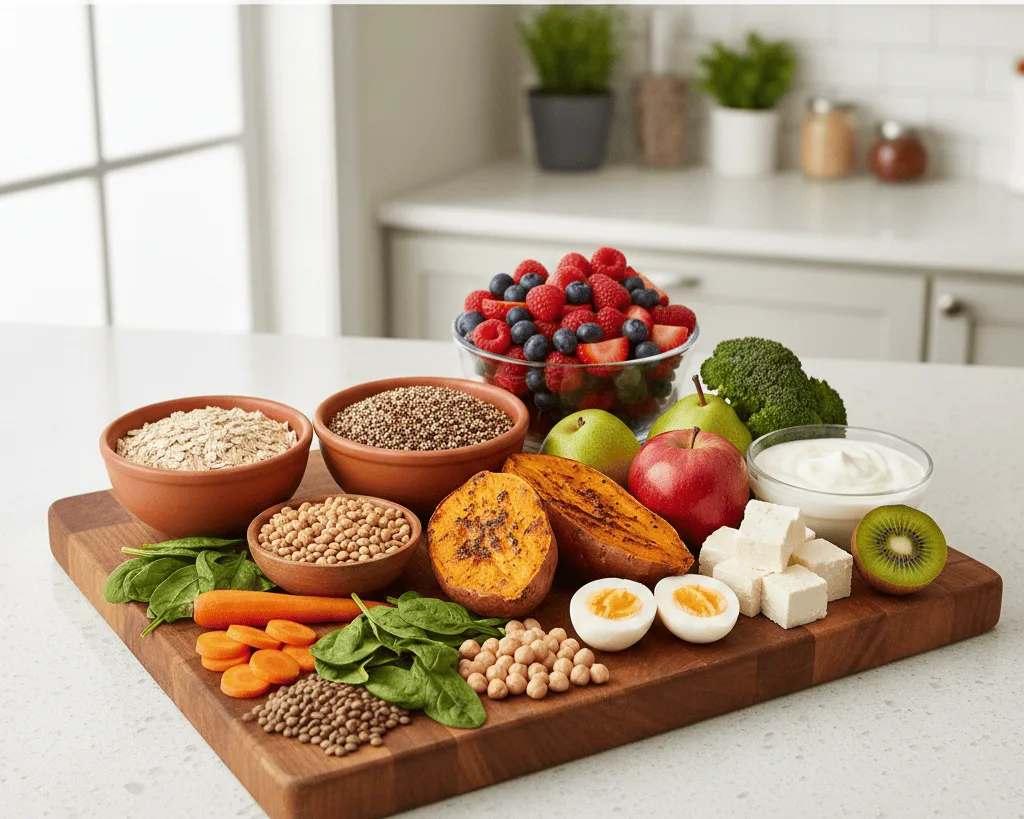
Top Metabolism Boosting Foods You Should Eat Daily

1. Protein Foods – The Metabolism Builders

Protein requires more energy to digest. This is called Thermic Effect of Food (TEF).

Protein Food

Benefit

Eggs

Builds muscle

Chicken

Lean protein

Fish

Thyroid support

Paneer

Vegetarian protein

Tofu

Plant protein

Lentils

Protein + fiber

Greek yogurt

Probiotics

 Protein can increase metabolism by 15–30% temporarily after eating.

2. Green Tea

Green tea contains catechins and antioxidants.

Benefits:

  • Boosts fat oxidation
  • Improves insulin sensitivity
  • Reduces belly fat
  • Improves liver metabolism

Drink 2 cups daily.

3. Coffee

Caffeine stimulates the nervous system.

Benefits:

  • Increases calorie burn
  • Improves exercise performance
  • Enhances mental alertness

Avoid sugar and flavored syrups.

4. Spices That Boost Metabolism

Spice

Benefit

Chili

Thermogenesis

Ginger

Digestion

Turmeric

Liver support

Cinnamon

Blood sugar control

Black pepper

Nutrient absorption

5. Whole Grains

Whole grains digest slowly and keep metabolism active.

Grain

Benefit

Oats

Fiber rich

Brown rice

Stable energy

Quinoa

Protein + fiber

Barley

Low GI

Millets

Nutrient dense

6. Fruits That Improve Metabolism

Fruit

Why It Helps

Apple

Fiber

Berries

Antioxidants

Orange

Vitamin C

Kiwi

Digestive enzymes

Papaya

Digestion

Pineapple

Fat metabolism

7. Vegetables for Metabolism

Leafy greens are extremely metabolism friendly:

  • Spinach
  • Kale
  • Broccoli
  • Cabbage
  • Lettuce
  • Zucchini
  • Beans

They are low calorie but high nutrition.

8. Healthy Fats

Healthy fats improve hormone production.

Fat Source

Benefit

Olive oil

Heart health

Avocado

Hormonal balance

Nuts

Energy

Seeds

Metabolism

Fish oil

Omega 3

9. Water – The Forgotten Metabolism Booster

Drinking water can increase metabolism by up to 30% for 30–40 minutes.

Drink water:

  • After waking up
  • Before meals
  • During workouts

10. Probiotic Foods

Healthy gut = Faster metabolism.

Food

Benefit

Curd

Good bacteria

Buttermilk

Digestion

Kimchi

Fat loss

Sauerkraut

Gut repair

Foods That Destroy Metabolism

Food

Why Avoid

Sugary drinks

Insulin spike

White bread

Low fiber

Fried food

Inflammation

Packaged snacks

Hormonal imbalance

Alcohol

Liver slowdown

Excess sweets

Fat storage

7-Day Metabolism Boosting Meal Plan

Meal

Example

Morning

Warm water + lemon

Breakfast

Oats + fruit + nuts

Snack

Green tea + almonds

Lunch

Brown rice + dal + veggies

Snack

Fruit / yogurt

Dinner

Paneer/chicken + salad

Night

Turmeric milk

Lifestyle Habits That Multiply Metabolism

  1. Walk 10 minutes after meals
  2. Sleep before 11 pm
  3. Strength training 3x/week
  4. Reduce stress
  5. Eat slowly
  6. Avoid long fasting
  7. Stay consistent

Metabolism and Hormones

Slow metabolism is often connected with:

  • Thyroid issues
  • PCOD
  • Insulin resistance
  • Cortisol imbalance

Healthy food supports hormone regulation

Metabolism and Age

Metabolism naturally slows with age, but:

👉 Proper diet + muscle training can reverse this effect.

Myths About Metabolism

Myth

Truth

Metabolism cannot change

It can

Thin people have fast metabolism

Not always

Starving increases fat loss

It slows metabolism

Supplements fix metabolism

Food & habits matter more

Frequently Asked Questions

Yes, with diet, exercise and sleep.

Yes, it signals fat storage.

Yes, protein burns more calories during digestion.

Yes, cortisol blocks fat burning.

Yes, hydration increases calorie burning.

Final Thoughts

Your metabolism is not your enemy.
Your habits decide its speed.

When you eat:

✔ Protein
✔ Fiber
✔ Healthy fats
✔ Whole foods

and avoid:

❌ Sugar
❌ Fried food
❌ Crash diets

Your metabolism automatically improves.

A healthy metabolism means a healthy life.


How to Control Blood Sugar with Low GI Foods

How to Control Blood Sugar with Low GI Foods

Managing blood sugar is one of the biggest challenges for people with diabetes, prediabetes, PCOD, or insulin resistance. One of the most effective tools for blood sugar control is the Glycemic Index (GI). Low GI foods release glucose slowly, prevent spikes in blood sugar, and improve insulin sensitivity.

Blood Sugar treatment

Understanding the Glycemic Index (GI)

What is the Glycemic Index?

The Glycemic Index (GI) is a numerical scale (0–100) that measures how quickly a carbohydrate-containing food raises blood glucose levels after consumption.

  • Low GI (≤55): Slowly digested and absorbed → gradual rise in blood sugar
  • Medium GI (56–69): Moderate effect on blood sugar
  • High GI (≥70): Rapid digestion → rapid spike in blood sugar

The lower the GI, the more stable your blood sugar will remain after eating.

Why Low GI Foods Are Important

  1. Prevent Blood Sugar Spikes: Slow glucose release reduces hyperglycemia episodes.
  2. Enhance Insulin Sensitivity: Stable glucose levels prevent insulin overproduction.
  3. Promote Satiety: Keeps you full longer, reducing unhealthy snacking.
  4. Support Weight Management: Helps in controlling visceral fat and preventing obesity.
  5. Reduce Long-Term Complications: Heart disease, nerve damage, and kidney issues risk are minimized.

Table 1: Glycemic Index Classification

GI Range

Classification

Example Foods

0–55

Low GI

Oats, quinoa, barley, lentils, apples

56–69

Medium GI

Brown rice, whole wheat bread, pineapple

70+

High GI

White rice, white bread, cornflakes, watermelon

How Blood Sugar Works & Role of GI

When we eat carbohydrate-containing foods, the body converts them into glucose, which enters the bloodstream. Insulin, a hormone produced by the pancreas, is released to allow cells to absorb glucose for energy.

In diabetes and insulin resistance:

  • The body’s cells do not respond effectively to insulin → glucose remains in the blood → hyperglycemia
  • High GI foods cause rapid spikes in blood sugar → excessive insulin production → fat storage and weight gain

Low GI approach:

  • Foods release glucose slowly → prevent rapid blood sugar spikes
  • Reduce insulin demand → improves metabolic efficiency
  • Supports weight loss, energy balance, and long-term health

Table 2: Blood Sugar Response – Low GI vs High GI Foods

Food

Blood Sugar Response

Insulin Response

White bread

Rapid spike

High insulin surge

Oats

Gradual rise

Moderate insulin response

Sweet potato

Slow rise

Low insulin demand

Lentils

Minimal rise

Stable insulin response

Top Low GI Foods for Blood Sugar Control

A low GI diet should include a variety of nutrient-rich foods that stabilize glucose, support metabolism, and promote hormone balance.

  1. Whole Grains

Food

GI Value

Benefits

Oats

55

Slowly releases glucose, promotes satiety

Quinoa

53

High protein and fiber, stabilizes blood sugar

Barley

25

Reduces cholesterol, lowers insulin spikes

Brown rice

50–55

Provides steady energy and fiber

  1. Legumes & Pulses

Food

GI Value

Benefits

Lentils

30

Protein-rich, slow glucose release

Chickpeas

28

Controls appetite, stabilizes blood sugar

Kidney beans

24

High fiber, promotes satiety

Black beans

30

Balanced carbs, reduces sugar spikes

  1. Low GI Fruits

Fruit

GI Value

Notes

Apple

38

Fiber-rich, supports satiety

Pear

38

Prevents rapid glucose spikes

Berries

40–45

Low sugar, high antioxidants

Kiwi

52

Vitamin C, fiber, antioxidants

Orange

43

Natural sweetness, vitamin-rich

  1. Vegetables

Vegetable

GI Value

Benefits

Broccoli

10

Antioxidant-rich, stabilizes blood sugar

Spinach

15

Low-carb, nutrient-dense

Carrots

39

Slow glucose absorption

Sweet potato

44

Complex carbs, low GI

  1. Protein Sources & Dairy

Food

GI Value

Benefits

Greek yogurt

36

Probiotics, protein-rich

Paneer

27

Low-carb, stabilizes meal GI

Eggs

0

No carbs, supports satiety

Chicken / Fish

0

Protein source, no sugar spike

Foods to Avoid for Blood Sugar Control

Food Category

Reason

White rice / White bread

High GI → rapid glucose spike

Pastries / Cakes / Cookies

Refined carbs, low fiber

Sugary drinks / Sodas

Immediate insulin surge, fat storage

Instant cereals / Cornflakes

High GI, low nutrient density

Fried snacks / Potato chips

High GI + unhealthy fats → insulin spike

Tip: Replace high GI foods with whole grains, legumes, and fiber-rich fruits/vegetables.

Low GI Meal Planning

Eating low GI foods consistently throughout the day is critical for blood sugar management.

Sample 7-Day Low GI Meal Plan

Meal

Example

Breakfast

Oats porridge with chia seeds, almonds, and blueberries

Mid-Morning

Handful of walnuts + green tea

Lunch

Quinoa salad with chickpeas, spinach, cucumber, and olive oil

Afternoon Snack

Greek yogurt with apple slices

Dinner

Lentil soup with steamed vegetables and paneer

Tips:

  • Combine protein + fiber + healthy fats in every meal
  • Avoid skipping meals to prevent glucose spikes
  • Drink at least 2–3 liters of water daily
Lifestyle Tips to Support Blood Sugar Control
  • Exercise Regularly: Walking, yoga, and strength training improve insulin sensitivity
  • Sleep Well: 7–8 hours nightly; poor sleep raises blood sugar
  • Stress Management: Meditation, breathing exercises → reduce cortisol → prevent glucose spikes
  • Meal Timing: Eat small, frequent meals to avoid sudden sugar surges
Benefits of Low GI Diet Beyond Blood Sugar
  1. Weight Management: Slow glucose release reduces fat storage
  2. Heart Health: Low GI foods lower LDL cholesterol and triglycerides
  3. Energy Balance: Provides steady energy without crashes
  4. Hormone Regulation: Reduces insulin and androgen imbalances (beneficial for PCOD)

Long-Term Diabetes Prevention: Supports prediabetes reversal

FAQs About Low GI Foods and Blood Sugar

Low GI foods help control blood sugar, improve insulin sensitivity, and support long-term management but cannot fully reverse diabetes alone.

Yes, but choose low-sugar, low GI fruits like apples, berries, kiwi, and pear.

Yes, but prefer brown rice, barley, or quinoa instead of white rice.

Every meal should focus on low GI foods, combined with protein and healthy fats.

Yes, they are a low GI carb that provides complex carbs and fiber.

Yes, they reduce insulin spikes, increase satiety, and support fat burning.

Yes, it is a low GI whole grain that slowly releases glucose.

Best Foods for PCOD Weight Loss and Hormone Control

Best Foods for PCOD Weight Loss and Hormone Control

Polycystic Ovarian Disease (PCOD) is a widespread hormonal disorder affecting millions of women worldwide. Common symptoms include weight gain, irregular periods, acne, excessive hair growth, hair thinning, mood swings, and sugar cravings, making PCOD one of the most challenging conditions to manage naturally.

Weight management is often difficult in PCOD due to insulin resistance, high androgen levels, slow metabolism, and hormonal imbalances. This makes diet, exercise, and lifestyle modifications critical for hormone balance, weight control, and long-term health.

A carefully designed PCOD diet focuses on:

  • Balancing insulin and blood sugar levels
  • Reducing inflammation
  • Supporting lean muscle growth
  • Promoting healthy weight loss without compromising hormones

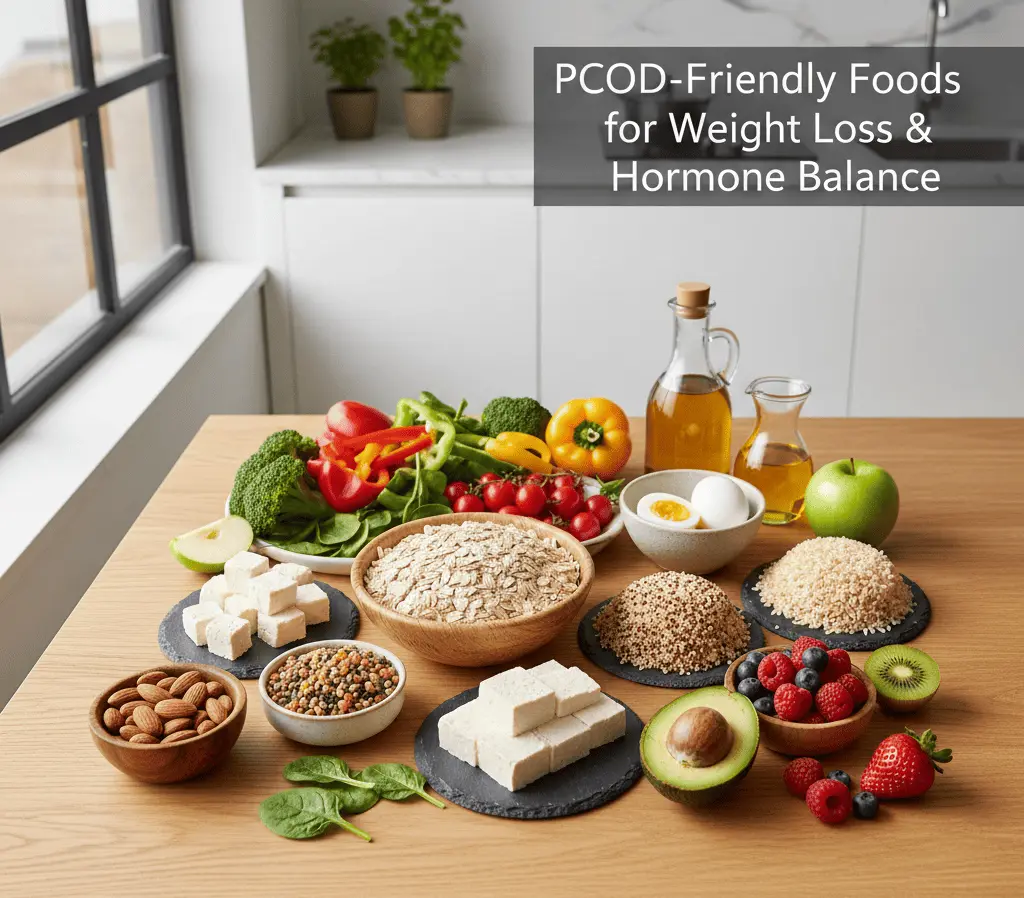
In this detailed guide, we’ll explore the best foods for PCOD weight loss and hormone control, including tables, meal plans, lifestyle tips, and FAQs, so you can take control of your health naturally.

pcod diet plan in ludhiana

Understanding PCOD and Hormonal Imbalance

What is PCOD?

PCOD is a hormonal disorder in which the ovaries produce excess male hormones (androgens), causing irregular ovulation and various metabolic issues.

Symptoms of PCOD

Symptom

Cause / Hormonal Link

Irregular periods

High androgens, ovulation issues

Weight gain

Insulin resistance, slow metabolism

Belly fat

Cortisol & androgen imbalance

Acne & oily skin

Excess androgens

Excess hair growth

Androgen imbalance

Hair thinning

Hormonal imbalance

Mood swings & fatigue

Insulin resistance + hormone fluctuation

Hormones Affected

Hormone

Role in PCOD

Insulin

Resistance leads to fat storage and sugar cravings

Androgens

Hair growth, acne, irregular cycles

Estrogen

Low or imbalanced levels disrupt menstruation

Progesterone

Low levels affect ovulation

Insight: Insulin resistance is the most common culprit for weight gain in PCOD. Controlling insulin via diet is key to managing symptoms naturally.

Why Weight Loss is Difficult in PCOD

  1. Insulin Resistance: Cells don’t respond properly, causing fat storage.
  2. Hormonal Imbalance: High androgen levels lead to belly fat accumulation.
  3. Slow Metabolism: Chronic inflammation reduces calorie burning efficiency.
  4. Cravings & Appetite Fluctuations: Insulin spikes trigger sugar cravings.

Role of Diet in PCOD

Diet plays a central role in managing PCOD. The right foods can balance hormones, control insulin, reduce inflammation, and support weight loss.

Macronutrients and Their Role

Nutrient

Role in PCOD

Sources

Protein

Builds muscle, controls cravings, supports insulin balance

Paneer, tofu, lentils, eggs, fish

Carbs

Energy; focus on low GI for blood sugar control

Oats, quinoa, brown rice, millets

Fats

Hormone production, anti-inflammatory

Olive oil, nuts, seeds, avocado

Fiber

Slows digestion, reduces insulin spikes

Vegetables, fruits, whole grains

Common PCOD Diet Mistakes

Mistake

Effect

Crash dieting

Slows metabolism, increases cravings

High sugar intake

Insulin spikes, weight gain

Low protein intake

Muscle loss, slower metabolism

Avoiding all carbs

Hormone imbalance, low energy

Processed food overconsumption

Inflammation & fat accumulation

PCOD Diet Principles

  • Eat low-GI carbs paired with protein and fiber.
  • Include healthy fats in every meal.
  • Consume anti-inflammatory foods like turmeric, ginger, and leafy greens.
  • Avoid refined sugars and processed foods.
  • Maintain consistent meal timings to stabilize insulin.
High-Fiber Foods

Fiber is essential for blood sugar control, weight management, and hormone balance.

High-Fiber Foods Table

Category

Foods

Benefits

Whole grains

Oats, brown rice, quinoa

Slows digestion, controls insulin

Seeds

Chia seeds, flaxseeds

Omega-3, anti-inflammatory

Vegetables

Broccoli, spinach, carrots

High fiber, nutrient-dense

Fruits

Apple, pear, berries

Low GI, antioxidant-rich

Legumes

Lentils, chickpeas, kidney beans

Satiety, protein + fiber

Tip: Include fiber in every meal to prevent insulin spikes and reduce cravinngs.

Protein-Rich Foods

Protein helps build lean muscle, control hunger, and regulate hormones.

Protein Sources Table

Vegetarian

Non-Vegetarian

Portion Recommendation

Paneer (low-fat)

Eggs

100–150g per meal

Tofu

Fish (salmon, sardines)

100–150g per meal

Lentils & dals

Chicken (lean)

100g cooked

Greek yogurt

150–200g

Soybeans

50–75g

Low GI Carbs

Low-GI carbs digest slowly, stabilizing blood sugar and preventing fat gain.

Low GI

High GI (Avoid)

Sweet potato

White potato

Millets (ragi, jowar, bajra)

White rice

Brown rice

Maida / refined flour

Whole wheat roti

White bread

Oats

Sugary cereals

Healthy Fats

Fats are essential for hormone production and reducing inflammation.

Food

Benefits

Almonds

Hormone balance, satiety

Walnuts

Omega-3, reduces inflammation

Olive oil

Anti-inflammatory, heart health

Avocado

Insulin sensitivity

Coconut (moderate)

Energy support

Anti-Inflammatory Foods

PCOD is linked with chronic inflammation, which worsens insulin resistance.

Food

PCOD Benefit

Turmeric

Hormone balance, anti-inflammatory

Ginger

Digestive support

Garlic

Insulin regulation

Green tea

Fat burning, antioxidant-rich

Leafy greens

Detox support

Fruits for PCOD

Choose low-sugar fruits to avoid insulin spikes.

Recommended

Limit

Apple

Banana

Berries

Mango

Kiwi

Grapes

Guava

Chikoo

Papaya (moderate)

Pineapple

Gut-Healthy Foods

A healthy gut improves hormone balance and insulin sensitivity.

Food

Benefits

Curd / Yogurt

Probiotics, gut flora support

Buttermilk

Digestion

Fermented foods

Gut microbiome health

Fiber-rich vegetables

Satiety, detox support

Meal Planning

Sample PCOD-Friendly Meal Plan

Meal

Example

Breakfast

Oats with chia seeds, berries, Greek yogurt

Mid-Morning

Handful of nuts + green tea

Lunch

Brown rice / millet roti + dal + vegetable curry + curd

Afternoon Snack

Roasted chickpeas / fruit

Dinner

Tofu / paneer / fish + sautéed vegetables + salad

Lifestyle & Exercise
  • Exercise improves insulin sensitivity and supports weight loss
  • Recommended: Cardio, strength training, yoga
  • Stress management is crucial (meditation, deep breathing)
  • Sleep 7–8 hours/day to regulate hormones
Supplements & Herbal Support

Supplement / Herb

Benefits

Notes

Inositol

Improves insulin sensitivity

Consult doctor for dosage

Omega-3

Reduces inflammation

Fish oil or flaxseed oil

Vitamin D

Hormone regulation

Blood level check recommended

Cinnamon

Controls blood sugar

Add to breakfast or tea

Fenugreek

Insulin regulation

Can be soaked or powdered

Common PCOD Myths

Myth

Truth

Crash diet cures PCOD

Crash diets slow metabolism and worsen hormones

Fruits should be avoided

Low-sugar fruits are beneficial

Exercise alone can reverse PCOD

Diet + exercise + lifestyle changes needed

Only medication works

Diet and lifestyle interventions have proven benefits

Frequently Asked Questions

 High-fiber, protein-rich foods, low-GI carbs, and healthy fats.

 Yes, with consistent diet and lifestyle changes.

 Yes, focus on low-sugar fruits like berries, apple, and guava.

 Diet significantly helps, but lifestyle support is essential.

 Visible results usually appear in 8–12 weeks with consistent effort.

Conclusion

Managing PCOD requires a holistic approach:

  • Eat high-fiber, protein-rich, low-GI carbs, and healthy fats
  • Avoid processed foods and sugar
  • Maintain consistent meal timings
  • Exercise regularly
  • Manage stress and sleep well


Weight Gain vs Fat Gain: How to Gain Muscle the Right Way

Weight Gain vs Fat Gain: How to Gain Muscle the Right Way

Understanding the Real Meaning of Weight Gain

Weight gain is one of the most misunderstood health goals. Many people believe that eating more food automatically leads to healthy weight gain. In reality, this approach often results in fat gain instead of muscle gain, leading to poor body composition and long-term health issues.

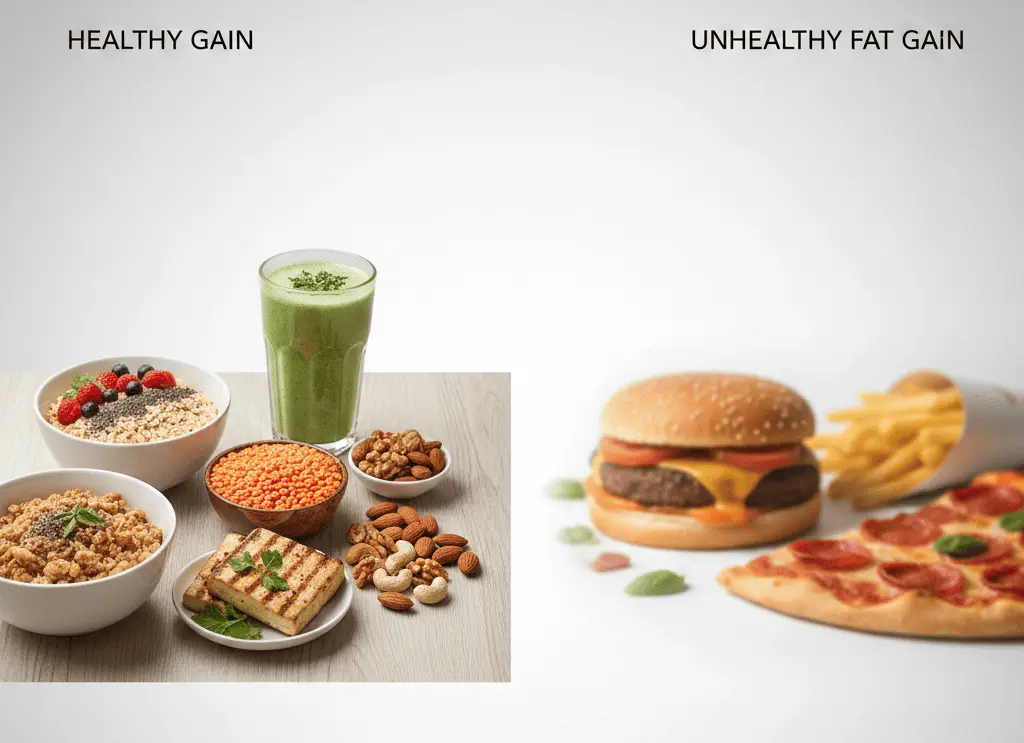
This is why understanding weight gain vs fat gain is crucial. Healthy weight gain focuses on increasing lean muscle mass, improving strength, and maintaining overall metabolic health. Fat gain, on the other hand, leads to unwanted belly fat, low energy, and a higher risk of lifestyle diseases.

If your goal is to gain weight the right way, look stronger, and feel healthier, then learning how to gain muscle without fat is essential.

how to gain muscle without fat

What Is Weight Gain? (The Healthy Perspective)

Weight gain means an increase in overall body weight. However, body weight is made up of:

  • Muscle mass
  • Fat mass
  • Water weight

Healthy weight gain prioritizes muscle mass over fat. When weight gain happens through proper nutrition and training, it results in:

  • Improved physical strength
  • Better posture and body shape
  • Faster metabolism
  • Higher energy levels

Healthy weight gain is always planned, gradual, and sustainable.

What Is Fat Gain and Why Should You Avoid It?

Fat gain occurs when excess calories are consumed without proper nutrient balance or physical activity. This typically happens due to:

  • Excess junk food intake
  • High sugar consumption
  • Lack of protein
  • Sedentary lifestyle

Problems Caused by Fat Gain

  • Increase in abdominal and visceral fat
  • Reduced stamina and fatigue
  • Hormonal imbalance
  • Poor insulin sensitivity
  • Increased risk of diabetes and heart disease

This clearly shows why fat gain is not the same as healthy weight gain.

Weight Gain vs Fat Gain: Detailed Comparison

Aspect

Healthy Weight Gain

Fat Gain

Main Focus

Lean muscle gain

Fat storage

Type of Diet

Clean bulking diet

Junk & processed food

Protein Intake

High

Low

Exercise

Strength training

Little to none

Body Appearance

Strong & toned

Soft & flabby

Metabolism

Improved

Slowed

Long-term Health

Positive

Negative

What Is Muscle Gain (Lean Muscle Gain)?

Muscle gain, also known as lean bulking, is the process of increasing muscle size and strength while keeping fat gain minimal. It is the healthiest and most effective form of weight gain.

Lean muscle gain requires:

  • A controlled calorie surplus
  • Sufficient protein for muscle repair
  • Regular strength training
  • Adequate sleep and recovery

Unlike fat gain, muscle gain improves both appearance and health.

Calorie Surplus for Muscle Gain: The Smart Way

A calorie surplus is essential for weight gain, but the quality of calories matters more than quantity.

Wrong Way to Create a Calorie Surplus

  • Fast food and sugary snacks
  • High-calorie drinks with no nutrition
  • No physical activity

👉 Result: Fat gain and poor health

Right Way to Create a Calorie Surplus

  • 300–500 extra calories per day
  • Nutrient-dense foods
  • High protein intake
  • Regular strength training

👉 Result: Healthy weight gain and muscle growth

Macronutrients for Healthy Weight Gain and Muscle Growth

1. Protein for Muscle Gain (Most Critical Nutrient)

Protein plays the most important role in muscle building nutrition. It repairs damaged muscle fibers and helps build new muscle tissue.

Recommended Protein Intake:
1.2–2 grams per kg of body weight

Best Protein Sources (Vegetarian & Vegan):

  • Paneer, milk, curd
  • Tofu, tempeh, soy chunks
  • Lentils, chickpeas, kidney beans
  • Nuts and seeds
  • Plant-based protein supplements

2. Carbohydrates for Energy and Performance

Carbohydrates fuel workouts and prevent muscle breakdown.

Healthy Carb Sources:

  • Rice, oats, quinoa
  • Whole wheat roti and bread
  • Potatoes and sweet potatoes
  • Fruits and vegetables

Carbohydrates are essential in any muscle gain diet.

3. Healthy Fats for Hormonal Balance

Healthy fats provide concentrated calories and support hormone production.

Sources of Healthy Fats:

  • Nuts and nut butters
  • Seeds (chia, flax, pumpkin)
  • Olive oil and coconut oil
  • Avocado
Best Foods for Muscle Gain Without Fat

Some of the best foods for lean muscle gain include:

  • Oats with peanut butter and banana
  • Rice with dal, paneer, or tofu
  • Smoothies with protein powder, fruits, and nuts
  • Whole-grain meals cooked in healthy oils
  • Homemade calorie-dense snacks

These foods support clean bulking instead of unhealthy fat gain.

Importance of Strength Training in Weight Gain

Without exercise, weight gain almost always turns into fat gain. Strength training is essential to convert calories into muscle.

Effective Strength Training Exercises

  • Squats
  • Push-ups
  • Lunges
  • Deadlifts
  • Resistance band workouts

Training 3–5 times per week is sufficient for muscle growth.

Lifestyle Factors That Decide Muscle Gain vs Fat Gain
  1. Sleep and Recovery
  • 7–9 hours of quality sleep daily
  • Muscle growth happens during rest
  1. Stress Management
  • Chronic stress increases cortisol
  • High cortisol promotes fat storage
  1. Consistency
  • Consistent diet and workouts lead to long-term results
Common Weight Gain Mistakes That Cause Fat Gain
  1. Eating junk food to increase calories
  2. Ignoring protein intake
  3. Avoiding strength training
  4. Expecting quick results
  5. Inconsistent diet and exercise routine

Avoiding these mistakes is crucial for healthy weight gain.

How Fast Should You Gain Weight?

Healthy muscle gain is slow and steady:

  • Around 0.5–1 kg per month

Rapid weight gain usually indicates fat gain, not muscle gain.

Who Should Follow a Customized Muscle Gain Plan?
  • Underweight individuals
  • People with thyroid or hormonal imbalance
  • PCOS patients
  • Beginners with no training experience

A personalized plan ensures weight gain without fat.

FAQs – Weight Gain vs Fat Gain

 Weight gain can include muscle, while fat gain only increases body fat.

 Yes, with a clean bulking diet and proper training.

 Yes, protein is essential for muscle growth.

 Yes, with plant-based protein sources and balanced meals.

 No, it mainly leads to fat gain and health problems.

Conclusion: Gain Weight the Right Way

Understanding weight gain vs fat gain is the foundation of a healthy and strong body. Instead of focusing on eating more food, focus on:

  • Balanced nutrition
  • High protein intake
  • Strength training
  • Healthy lifestyle habits

True healthy weight gain is about building muscle, not storing fat.
With the right strategy, you can gain weight naturally, safely, and sustainably.

Weight Gain Meal Plan for Vegetarians & Vegans: Healthy & Effective Ways to Gain Weight Naturally

Weight Gain Meal Plan for Vegetarians & Vegans: Healthy & Effective Ways to Gain Weight Naturally

Gaining weight can be as challenging for vegetarians and vegans as losing weight is for others. Many plant-based eaters struggle to consume enough calories and protein to see healthy weight gain results. This blog will guide you through the best vegetarian and vegan meal plans, calorie-dense foods, and practical tips to gain weight naturally and sustainably.

vegan weight gain meal plan
1. Understanding Weight Gain for Vegetarians & Vegans

Before creating a meal plan, it’s important to understand the principles of healthy weight gain.

1.1 Why Weight Gain is Hard for Some People

  • Fast metabolism or ectomorph body type
  • Low appetite
  • Lack of calorie-dense foods in diet
  • Active lifestyle without sufficient caloric intake
 

1.2 Calorie Surplus: The Key to Weight Gain

  • To gain weight, you must consume more calories than you burn.
  • Focus on nutrient-rich, calorie-dense foods, not junk foods.
2. Essential Nutrients for Weight Gain

A well-planned diet must include the following nutrients:

2.1 Protein

  • Supports muscle growth
  • Sources: lentils, chickpeas, tofu, tempeh, seitan, soy milk, quinoa, nuts, seeds

2.2 Healthy Fats

  • High in calories and essential for weight gain
  • Sources: avocados, coconut oil, olive oil, peanut butter, nuts, seeds

2.3 Carbohydrates

  • Main source of energy and calories
  • Sources: rice, oats, whole wheat bread, potatoes, sweet potatoes, pasta, fruits

2.4 Vitamins & Minerals

  • Include green leafy vegetables, fruits, and fortified plant-based milk to maintain overall health
3. Top Calorie-Dense Foods for Weight Gain (Vegetarian & Vegan)

Food Category

Examples

Calories (per 100g)

Benefits

Nuts & Seeds

Almonds, cashews, chia seeds, flaxseeds

500-600

Healthy fats, protein

Nut Butters

Peanut butter, almond butter

588-600

High in calories, protein

Grains & Cereals

Quinoa, oats, brown rice, whole wheat

350-370

Complex carbs for energy

Legumes

Lentils, chickpeas, kidney beans

300-350

Protein and fiber

Plant-based Oils

Olive oil, coconut oil

884

Concentrated calories, healthy fats

Fruits

Banana, mango, avocado

80-160

Natural sugar, healthy calories

Plant Milk

Soy milk, almond milk

50-80

Protein and calories

Tofu & Tempeh

Tofu, tempeh

150-200

High protein, versatile

4. Sample Weight Gain Meal Plan (Vegetarian & Vegan)

Here is a structured 7-day meal plan to help vegetarians and vegans gain healthy weight. Each day provides ~2500–3000 calories depending on portion size.

Day 1

  • Breakfast: Oats with soy milk, chia seeds, peanut butter, banana
  • Mid-morning Snack: Handful of almonds & walnuts
  • Lunch: Brown rice, lentil curry, avocado, steamed vegetables
  • Afternoon Snack: Protein smoothie with soy protein, oats, almond butter
  • Dinner: Whole wheat pasta with tofu, olive oil, vegetables
  • Before Bed: Soy milk with a tablespoon of peanut butter

Day 2

  • Breakfast: Quinoa porridge with almond milk, dried fruits, flaxseeds
  • Snack: Trail mix (nuts, seeds, raisins)
  • Lunch: Chickpea salad with avocado and olive oil dressing
  • Snack: Banana smoothie with peanut butter
  • Dinner: Stir-fried tempeh with brown rice and vegetables

Before Bed: Almond milk with soaked dates

5. Tips for Effective Weight Gain
  1. Eat Frequently: 5–6 meals a day
  2. Add Calorie-Dense Ingredients: Nuts, seeds, oils, nut butters
  3. Strength Training: Helps convert calories into muscle
  4. Avoid Empty Calories: Don’t rely on junk food
  5. Hydration: Drink water but avoid filling up right before meals
6. Common Mistakes to Avoid
  • Skipping meals
  • Eating low-calorie foods only
  • Ignoring protein intake
  • Over-relying on processed snacks
  • Not tracking calories or progress
7. Supplements for Vegetarian & Vegan Weight Gain (Optional)
  • Plant-based protein powders
  • Nutritional yeast
  • Omega-3 supplements (ALA, flaxseed oil)
  • Multivitamins for balanced nutrition

Frequently Asked Questions

 A1. Yes, by consuming protein-rich legumes, dairy, nuts, seeds, and calorie-dense foods.

 A2. About 1.2–2 g per kg of body weight daily.

 A3. Yes, they are calorie-dense and can include protein, healthy fats, and carbs.

 A4. Healthy weight gain is gradual; aim for 0.5–1 kg per week.

 A5. Yes, strength training ensures weight gain is mostly muscle, not fat.

 A6. Absolutely, they are rich in healthy fats and calories.

 A7. 5–6 meals/snacks per day with calorie-dense foods.

Conclusion

Weight gain for vegetarians and vegans is entirely achievable with the right combination of calorie-dense foods, balanced macronutrients, and frequent meals. Focusing on protein, healthy fats, complex carbs, and strength training will help you gain muscle and not fat. Customizing meal plans according to personal preferences and body type can accelerate results.

Why You’re Not Gaining Weight: Hidden Reasons & Proven Solutions 

Why You’re Not Gaining Weight: Hidden Reasons & Proven Solutions

While weight loss is frequently discussed in relation to health, another group of people is silently dealing with the opposite issue: gaining weight in a healthy manner. For many, gaining weight is crucial for strength, immunity, hormonal balance, and mental confidence in addition to being a fitness objective.

This guide is for you if you’re sick of hearing people say things like “just eat more” or “you’re lucky to be thin,” and you’re actually trying to lose weight but still not succeeding.

weight gain diet plan
Why Do Some People Struggle to Gain Weight?

Being underweight often comes with challenges that aren’t visible at first glance:

  • Lower self-esteem
  • Social pressure or body shaming
  • Weak immunity
  • Frequent tiredness or weakness
  • Hair fall and dull skin
  • Low muscle mass
  • Irregular periods in females
  • Slow injury recovery
  • Nutrient deficiencies

Just like obesity, being underweight is a health condition and deserves equal support and structured planning.

Understanding Healthy Weight Gain

Gaining weight is not about eating junk food or consuming fried snacks all day. There’s a healthy way to gain weight that focuses on:

  • Building lean muscle tissue
  • Improving metabolism
  • Strengthening digestion
  • Boosting hormonal health
  • Increasing strength and stamina

A balanced weight gain diet plan focuses on nutritious, calorie-dense meals instead of empty calories.

Ideal healthy gain:
0.5 kg to 1 kg per week

Slow and steady wins, otherwise you gain fat instead of muscle.

Hidden Reasons You’re Not Gaining Weight

1. Fast Metabolism

Some bodies burn calories faster even at rest. This makes weight gain challenging.

What to do

  • Increase daily calorie intake by 300–600 calories
  • Choose calorie-dense foods: nuts, seeds, paneer, peanut butter
  • Add smoothies & shakes

2. Poor Appetite

Not feeling hungry enough? That’s a big barrier.

Solutions for low appetite

  • Eat small frequent meals
  • Sip calorie-rich drinks (milk, shakes)
  • Light walk before meals
  • Add digestion-boosters: ginger, jeera, lemon water

3. Insufficient Protein

Protein builds muscle. Most underweight people don’t consume enough.

Daily protein goal:
1.2–1.8 g/kg body weight

Example: 60 kg person needs 72–108g protein daily

Best sources: paneer, curd, eggs, milk, tofu, chicken, dals, whey protein.

4. Poor Digestion & Gut Issues

You might be eating plenty, but absorbing very little.

Symptoms:

  • Bloating
  • Gas
  • Diarrhea
  • Constipation
  • Low appetite

Solutions

  • Probiotics: curd, buttermilk
  • Ginger, fennel seeds
  • Jeera water
  • Reduce excessive tea/coffee

5. Thyroid & Hormonal Imbalance

Hyperthyroidism and female hormonal imbalance affect weight.

If you’re losing weight unexpectedly, test for:

  • Thyroid
  • Vitamin D
  • B12
  • Iron

6. Stress & Anxiety

Stress increases cortisol, which reduces appetite and burns muscle mass.

Fix stress daily:
Yoga, journaling, meditation, deep breathing, sunlight exposure.

7. Over-Exercising or No Exercise

Cardio burns calories; strength training builds muscle.

Best workout routine:
3–5 weight training sessions per week
Avoid excessive running or HIIT

8. Skipping Sleep

Muscles grow during sleep.

Sleep target: 7–9 hours

Best Weight Gain Foods

To follow the best diet for weight gain naturally, include calorie-dense nutrient-rich foods:

Category

Foods

Healthy fats

Ghee, nuts, seeds, avocado, coconut

Dairy

Milk, paneer, curd, cheese

Carbs

Oats, bananas, rice, potatoes, sweet potatoes

Protein

Eggs, chicken, fish, soy, dal, chickpeas

Extras

Peanut butter, dates, raisins, honey, smoothies

These foods fit every plan whether weight gain for males or weight gain for females.

Weight Gain Diet Plan (Indian Friendly)

Sample Daily Plan

Time

Food

Morning

Soaked almonds + honey milk

Breakfast

Paneer paratha + curd or oats-banana-PB shake

Snack

Dry fruits + dates

Lunch

Rice + dal + ghee + sabzi + paneer/chicken + curd

Evening

Peanut butter toast + fruit smoothie

Dinner

Roti + potatoes + paneer/chicken + salad

Before Bed

Milk with turmeric & jaggery or whey shake

This is a realistic weight gain meal plan you can use daily.

Weight Gain Tips for Faster Results

  • Eat every 3 hours
  • Add healthy oils/ghee to food
  • Drink calories (milk, shakes)
  • Strength train consistently
  • Avoid drinking water right before meals
  • Track weekly progress
  • Sleep like you mean it

These natural weight gain methods help you gain sustainably.

Weight Gain for Females vs Males

Women often struggle due to:

  • Lower appetite
  • Iron or B12 deficiency
  • Hormonal imbalance
  • Stress and fatigue

Men often struggle due to:

  • High metabolism
  • Poor eating schedule
  • High physical activity

Solution: both need structured calories + protein + training.

Healthy Shakes for Weight Gain
  • Peanut butter banana shake
  • Oats, almond, honey smoothie
  • Mango milkshake (seasonal)
  • Dates milk smoothie
  • Avocado yogurt shake
Avoid These Mistakes
  • Eating junk foods
  • Relying on mass gain powders blindly
  • Skipping meals
  • No strength training
  • Irregular sleep
Frequently Asked Questions

Maybe you have fast metabolism, low protein intake, gut issues, or stress affecting appetite.

Milk, paneer, eggs, nuts, peanut butter, banana, potatoes, oats, ghee, rice.

Healthy gain takes 6–12 weeks with a proper plan.

Eat calorie-dense foods, protein shakes, do strength training, sleep well, avoid stress.

Yes, but gym accelerates muscle gain. At least do resistance training home workouts.

Conclusion

Gaining weight is a journey of nourishment, not stuffing yourself. Focus on:

  • Quality calories
  • Protein
  • Strength training
  • Digestion
  • Sleep
  • Consistency

Whether its weight gain for females, weight gain for males, or a clean fast weight gain diet, the key is consistency, right food, and lifestyle balance.

You deserve to feel strong, confident, and energized. Start today with a sustainable weight gain meal plan and use these weight gain tips to transform your body naturally.

7 Proven Habits That Help You Lose Weight Without Starving

7 Proven Habits That Help You Lose Weight Without Starving

Introduction: Reduce Weight Without Going Without Food

Extreme dieting or starvation are not necessary for weight loss. Smart eating, consistent lifestyle choices, and increasing your metabolism while preserving your energy levels are the key components of sustainable fat loss.

Many people struggle with diets in today’s hectic lives because they feel hungry, exhausted, or don’t consistently stick to their plan. At Fitly Diet Clinic, we think losing weight should be fun, healthy, and manageable.

This blog offers seven habits that have been shown to be beneficial by science:

  • Effectively burning fat
  • Maintaining lean muscle mass,
  • Naturally regulating appetite,
  • Satiety and sustaining energy levels throughout the day
healthy weight loss habits

1. Eat protein first thing in the morning.

The Significance of Protein in Weight Loss

The building block of muscles, protein aids in fat loss by: preserving lean muscle mass; boosting the thermic effect of food (calories burned during digestion); and inhibiting the hunger hormone ghrelin.

A high-protein breakfast has been shown to decrease mid-morning cravings and calorie intake throughout the day.

Ideas for Protein-Rich Breakfasts

  • Eggs and Egg White Omelette: Include bell peppers, tomatoes, and spinach.
  • Greek Yogurt with Nuts and Fruits: Rich in probiotics, healthy fats, and protein
  • Moong Dal Chilla (lentil pancakes): Low-cost, high-protein, and satisfying 
  • Oats with Milk & Seeds: For an added protein boost, add chia seeds, flaxseeds, or almonds.

Advice: For longer satiety, mix protein with fiber and complex carbohydrates.

meal plans catered to your protein requirements with our Customized Weight Loss Programs.

2. Sip water prior to meals.

The Impact of Hydration on Weight Loss

Water consumption 15–20 minutes prior to meals can: 

  • Boost metabolism and detoxification 
  • Naturally lower caloric intake 
  • Improve digestion

The metabolism of fat is also influenced by water. 500ml of water increases calorie burn by 30% over 30–40 minutes, according to a study published in the Journal of Clinical Endocrinology & Metabolism.

Some suggestions for increasing water intake include: 

  • Keeping a water bottle at your desk
  • Infusing water with lemon, cucumber, or mint for flavor
  • Sipping a glass before snacks or when cravings strike.

According to Healthline, staying hydrated is a simple way to control appetite and support fat loss.

3. Eat Slowly and With Awareness

The Significance of Slow Eating

Since it takes the brain around 20 minutes to register fullness, eating too quickly frequently results in overeating. Additionally, mindful eating enhances digestion and enables you to pay attention to your body’s hunger signals.

How to Eat Mindfully: 

  • Pay attention to taste, texture, and portion size
  • Avoid eating in front of screens (TV, phone, laptop)
  • Chew every bite carefully
  • Stop eating when you are about 80% full.

Real-World Example: Eat slowly, drink water in between bites, and pay attention to when your hunger is satiated rather than consuming your food in a hurry. Over time, this stops binge eating.

4. Incorporate Foods High in Fiber

Fiber’s Function in Weight Loss

Foods high in fiber help you:

  • Feel fuller for longer
  • Lower blood sugar spikes
  • Enhance gut health
  • Naturally consume fewer calories overall.

The following foods are the best sources of fiber:

  • whole grains like oats, brown rice, quinoa, and millet
  •  legumes like kidney beans, chickpeas, and lentils
  •  fruits like apples, guava, papaya, and oranges
  •  vegetables like spinach, broccoli, carrots, and bottle gourd.

Quick Fiber Tip: 

  • Include fruits as a midmorning snack
  • include legumes in salads, soups, or curries
  • include vegetables in every meal.

5. Arrange Meals and Snacks in Advance: The Benefits of Meal Planning

Planning meals:

  • Lowers consumption of junk food
  • Saves time and money
  • Ensures healthy options are always available.

How to Prepare Meals Efficiently

  1. Make a weekly shopping list: Pay attention to inexpensive, in-season ingredients.
  2. Prepare grains, legumes, and proteins in bulk.
  3. Divide meals into convenient containers.

Weekly Meal Plan Example

  • Breakfast: Oats + fruit
  • Mid-morning snack: Nuts or sprouts
  • Lunch: Brown rice + lentils + vegetables
  • Evening snack: Greek yogurt or roasted chickpeas
  • Dinner: Grilled paneer or chicken + salad

6. Move More Throughout the Day

Non-Exercise Activity (NEAT)

Weight loss isn’t just about gym workouts. Everyday activities such as walking, cleaning, or stretching contribute to NEAT calories burned.

Tips to Increase Daily Movement

  • Take stairs instead of the elevator
  • Walk 5–10 minutes after meals
  • Stretch every 1–2 hours
  • Include 10–15 minutes of home workouts

Verywell Fit explains how daily movement impacts calories burned and weight management.

Example Mini Home Workout

  • 10 squats
  • 10 push-ups
  • 10 lunges
  • 15 jumping jacks
    Repeat 2–3 sets, 3–4 times a week

7. Prioritize Sleep and Stress Management

How Sleep Impacts Weight Loss

Poor sleep increases ghrelin (hunger hormone) and decreases leptin (satiety hormone), making weight loss more difficult.

Stress and Weight Gain

High stress raises cortisol, promoting fat storage, especially around the abdomen.

Tips for Better Sleep and Stress Management

  • Aim for 7–8 hours of sleep nightly
  • Practice deep breathing or meditation
  • Avoid late-night snacking
  • Maintain a consistent sleep schedule

Tip: Combining sleep management with mindful eating and physical activity yields maximum fat loss results.

Extra Routines for Quicker Outcomes

  • Keep a food diary to monitor intake
  • Eat 3–4 small balanced meals daily, don’t skip meals
  • Use smaller plates to control portions naturally
  • Prepare healthy snacks in advance (nuts, boiled eggs, yogurt)
  • Track non-scale victories: energy, clothing fit, body measurements

Research and Statistics to Support It

  • High-protein breakfasts reduce daily calorie intake by 100–200 calories (American Journal of Clinical Nutrition)
  • Drinking water before meals can reduce 75–90 calories per meal (Obesity Journal)
  • NEAT activities like walking and stretching can burn up to 2,000 calories per week (Mayo Clinic)
Frequently Asked Questions

A1: Absolutely! By adopting these 7 habits, you can reduce calorie intake naturally while staying satisfied.

 A2: Yes, it prevents impulsive eating and ensures consistent calorie control.

 A3: Yes, even 10–15 minutes of daily activity helps burn calories and boosts metabolism.

 A4: High cortisol levels from stress increase appetite and promote fat storage.

 A5: Yes! Visit Fitly Diet Clinic for customized weight loss programs.

Meal Planning & Budget-Friendly Eating for Weight Loss

Meal Planning & Budget-Friendly Eating for Weight Loss

The Key to Cost-Effective Weight Loss

You don’t have to break the bank to lose weight. In actuality, planning is more important for long-term weight loss than expensive diets or glitzy ingredients. You can maintain your fitness, save money, and still eat tasty, nourishing meals by mastering the art of meal planning and frugal eating.

At Fitly Diet Clinic, we think that affordability and health are closely related. This guide will help you become an expert at meal planning, portion control, and smart grocery shopping without sacrificing your nutritional or taste objectives, whether you’re a homemaker, student, or busy professional.

weight loss diet plan
What Meal Planning Is and Why It’s Important for Losing Weight

Choosing your meals for the upcoming days or weeks in advance is known as meal planning. It’s about finding balance and managing your food intake, not just about convenience.

The advantages of meal planning for weight loss include: 

  • lowering cravings for junk food and impulsive eating; 
  • making it easier to maintain a calorie deficit; 
  • promoting nutritional balance (protein, carbs, fats, and fiber); 
  • saving money and reducing food waste; 
  • keeping you motivated and consistent.

You’re less likely to reach for unhealthy options when you have nutritious meals prepared. Meal planning is one of the best weight loss techniques because of its consistency.

The Cost-Effective Method: Eat Well, Spend Less

Purchasing pricey organic produce or imported snacks is not the only way to eat healthily. It all comes down to choosing wisely and sensibly.

  1. Purchase Seasonal and Local 
  • Produce Local produce is more nutrient-dense, fresher, and less expensive.
  • Seasonal produce is 30–50% less expensive when purchased from local markets or vendors.

For instance:

  • Watermelon, cucumber, bottle gourd, and spinach in the summer
  • Winter foods include sweet potatoes, oranges, cauliflower, and carrots.
  1. Purchase in Bulk and Store Wisely
  • Bulk purchases of staples like oats, rice, lentils, beans, and whole grains can save money.
  • To prevent spoiling, store them appropriately in airtight containers.
  1. Arrange Your Meals to Include Inexpensive Protein Sources

Protein prolongs feelings of fullness and helps maintain muscle mass during weight loss.

Low-cost sources:

  • Peanuts, yogurt, paneer, chickpeas, lentils, tofu, and eggs
  1. Cut Back on Packaged Foods

In addition to being unhealthy, processed foods are more expensive per calorie. You have more control over portion size and nutrition when you cook at home.

  1. Make Creative Use of Leftovers

Don’t discard food. Repurpose leftovers to make salads, wraps, or soups.

The following day, for instance, leftover grilled chicken can be turned into a high-protein sandwich.

The Mentality of Meal Planning

Making a meal plan helps you make better decisions. You don’t have to ask yourself, “What should I eat next?” all the time.

This mental clarity prevents emotional or impulsive eating and helps you stay focused on your weight loss objectives.

Tip: To plan meals, use a smartphone app or keep a weekly planner.

Step 1: Define Your Weight Loss Goal

Determine your calorie needs using a TDEE calculator or consult a dietitian at Fitly Diet Clinic.

Step 2: Choose Balanced Meals

Each meal should include:

  • Protein: eggs, lentils, tofu, fish, paneer
  • Complex Carbs: brown rice, oats, quinoa, sweet potato
  • Healthy Fats: nuts, seeds, olive oil
  • Vegetables/Fruits: fiber, vitamins, antioxidants

Step 3: Create a Weekly Meal Plan

Here’s a sample plan 👇

Day

Breakfast

Lunch

Dinner

Monday

Oats + banana + chia seeds

Brown rice + dal + salad

Grilled paneer + soup

Tuesday

Vegetable omelette

Quinoa + chickpeas

Fish curry + brown rice

Wednesday

Poha with peanuts

Whole wheat roti + veg curry

Stir-fried tofu + veggies

Thursday

Smoothie (spinach + apple + oats)

Moong dal + rice + curd

Paneer wrap

Friday

Upma + sprouts

Rajma + brown rice

Chicken salad

Saturday

Vegetable sandwich

Daliya + dal + sabzi

Soup + multigrain toast

Sunday

Idli + sambar

Biryani (brown rice) + raita

Vegetable khichdi

Smart Grocery List for Weight Loss on a Budget

Proteins

Eggs, lentils, chickpeas, tofu, yogurt, paneer, beans, peanuts

Carbohydrates

Brown rice, oats, millets, whole wheat, sweet potatoes

Healthy Fats

Nuts, seeds, olive oil, coconut, avocado (occasionally)

Vegetables

Spinach, carrots, tomatoes, cabbage, bottle gourd, cucumber, cauliflower

Fruits

Banana, apple, orange, papaya, watermelon, guava

Miscellaneous

Herbs, spices, tea, coffee, lemon, honey (for natural sweetness)

How to Prep Meals Like a Pro

Meal prep = cooking once, eating multiple times.

Tips:

  • Cook large batches of grains and legumes
  • Chop vegetables in advance and refrigerate
  • Use airtight boxes to store meals (lasts 3–5 days)
  • Label containers with date and meal name

Prepping ahead saves time, reduces decision fatigue, and keeps your diet consistent.

Budget-Friendly Snack Ideas

Snacking can make or break your weight loss journey. Choose these healthy & affordable options:

  • Roasted chickpeas or makhana
  • Greek yogurt with fruit
  • Peanut butter toast
  • Sprout chaat
  • Homemade popcorn
  • Boiled eggs
Don’t Forget Hydration

Sometimes, what feels like hunger is actually dehydration.
Drink at least 2.5–3 liters of water daily.
Add lemon, cucumber, or mint for detox flavor.

Avoid sugary drinks—they add empty calories and hinder fat loss.

Combine Meal Planning with Activity

Even the best diet needs movement.

  • Aim for 30–45 minutes of physical activity daily (walking, yoga, HIIT).
  • Pair this with your planned meals to maximize fat burn and muscle tone.
Common Mistakes to Avoid
  1. Skipping meals (leads to overeating later)
  2. Ignoring portion control
  3. Relying on “diet” packaged snacks
  4. Forgetting to track calories or nutrients
  5. Unrealistic expectations (weight loss is gradual)

Frequently Ask Question

A1. Focus on local, seasonal produce, cook at home, and avoid processed foods.

A2. Yes, it helps you control portions, avoid junk food, and save both time and money.

A3. Eggs, lentils, chickpeas, tofu, and yogurt are affordable, high-protein options.

A4. You can, but rotate vegetables, fruits, and protein sources to keep it balanced and enjoyable.

A5. Our experts create custom diet plans based on your budget, lifestyle, and weight goals.

Conclusion

Weight loss isn’t about expensive superfoods or strict dieting—it’s about discipline, planning, and balance.
With smart meal planning and mindful grocery shopping, you can stay healthy, control your expenses, and reach your fitness goals faster.

At Fitly Diet Clinic, we help you create personalized diet plans that fit your lifestyle, preferences, and budget—because health should be accessible to everyone.