
Category: PCOS/PCOD

7-Day PCOS Diet Plan to Manage Hormones Naturally

7-Day PCOS Diet Plan to Manage Hormones Naturally

Polycystic Ovary Syndrome (PCOS) is a complex hormonal disorder that affects millions of women worldwide. It is not just a reproductive condition; it is a metabolic and endocrine disorder deeply connected to insulin resistance, inflammation, and hormonal imbalance. Many women with PCOS struggle with irregular periods, stubborn weight gain, acne, hair thinning, mood swings, fatigue, and difficulty conceiving.

While medications are often prescribed as part of PCOS treatment, long-term management depends heavily on lifestyle changes. Among these, a scientifically structured PCOS diet plan plays a central role in restoring hormonal balance naturally. A balanced diet can regulate insulin levels, reduce inflammation, support ovulation, and promote sustainable weight loss.

This comprehensive guide explains how a 7-day PCOS diet plan can help manage hormones naturally, improve metabolism, and boost overall well-being.

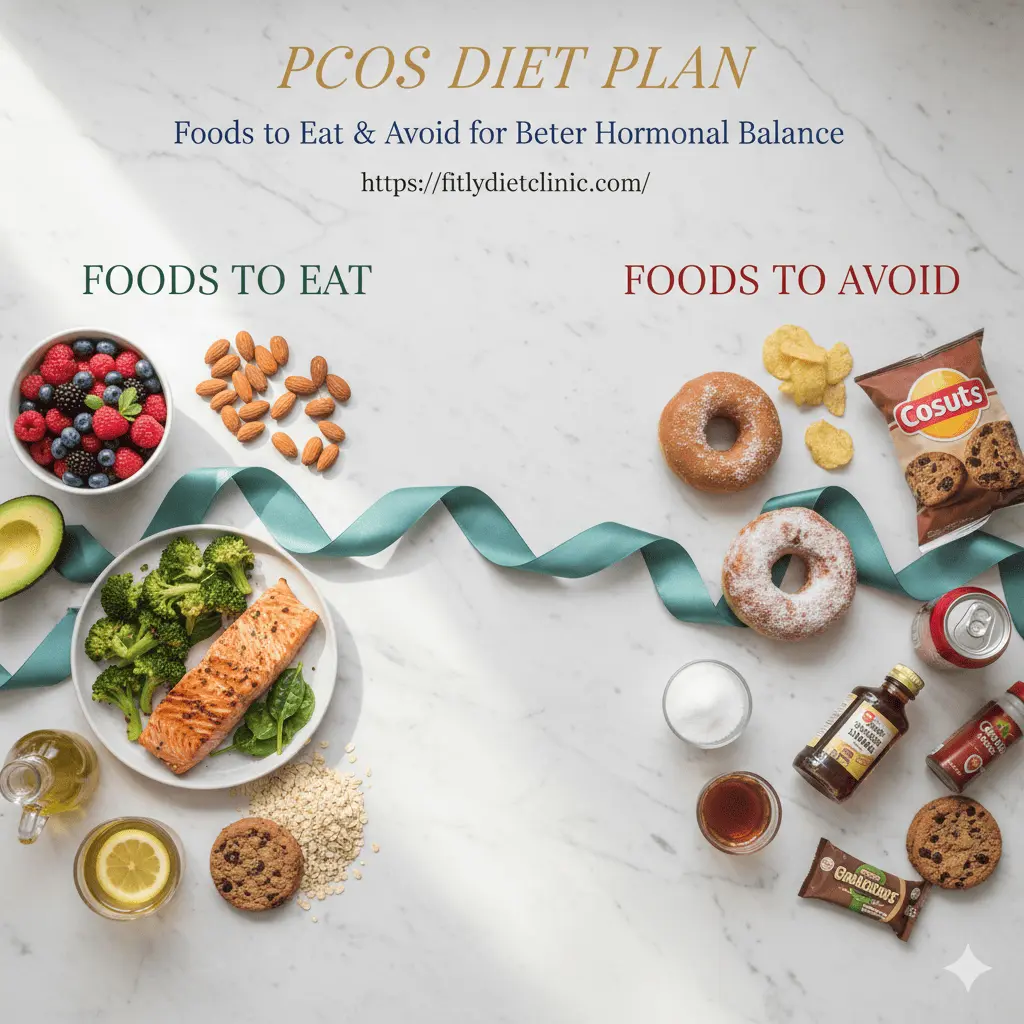
PCOS Diet Plan
Why Diet is Crucial in PCOS Management

The root cause of PCOS in most women is insulin resistance. When the body does not respond properly to insulin, blood sugar levels rise. In response, the body produces even more insulin. Elevated insulin levels stimulate the ovaries to produce excess androgens (male hormones), which disrupt ovulation and menstrual cycles.

This creates a vicious cycle:

  • High insulin → High androgens
  • High androgens → Irregular ovulation
  • Irregular ovulation → Hormonal imbalance
  • Hormonal imbalance → Weight gain

A carefully planned PCOS weight loss diet helps break this cycle by stabilizing blood sugar levels and improving insulin sensitivity.

Core Principles of a PCOS Diet Plan

Before diving into the 7-day plan, it is important to understand the foundational principles that make a hormone balance diet effective for PCOS.

  1. Low Glycemic Index (Low GI) Foods

Low GI foods release glucose slowly into the bloodstream. This prevents sudden insulin spikes and supports steady energy levels throughout the day. Whole grains, legumes, vegetables, and certain fruits fall under this category.

  1. Balanced Protein Intake

Protein plays a critical role in regulating hunger hormones and stabilizing blood sugar. Including adequate protein in every meal prevents cravings and supports lean muscle mass, which further improves insulin sensitivity.

  1. Healthy Fats for Hormone Production

Hormones are made from fats. Including good-quality fats like omega-3 fatty acids reduces inflammation and supports endocrine function.

  1. High Fiber Intake

Fiber slows down glucose absorption and improves gut health. A healthy gut microbiome is strongly linked with hormonal balance.

  1. Anti-Inflammatory Nutrition

Chronic inflammation worsens PCOS symptoms. Including antioxidant-rich foods reduces oxidative stress and improves metabolic health.

Best Foods to Include in a PCOS Diet Plan

The following table summarizes food groups that are especially beneficial for managing PCOS naturally.

Food Category

Recommended Foods

Why They Help in PCOS

Whole Grains

Oats, quinoa, brown rice, millets

Stabilize blood sugar and reduce insulin spikes

Lean Proteins

Eggs, tofu, paneer, lentils, chicken

Improve metabolism and control hunger

Healthy Fats

Flaxseeds, walnuts, almonds, olive oil

Support hormone production and reduce inflammation

Vegetables

Spinach, broccoli, zucchini, carrots

High fiber and detox support

Low GI Fruits

Berries, apple, pear, kiwi

Provide antioxidants without raising blood sugar rapidly

Seeds

Chia, pumpkin, sunflower

Rich in zinc and omega-3 for hormonal balance

Foods to Avoid in PCOS

Dietary triggers can worsen insulin resistance and hormonal imbalance.

Foods to Limit or Avoid

Reason

Refined sugar

Causes insulin spikes

White bread & maida

High glycemic load

Sugary beverages

Increases fat storage

Fried and processed food

Promotes inflammation

Excess junk food

Disrupts gut health

7-Day PCOS Diet Plan to Manage Hormones Naturally

This structured meal plan focuses on balanced macronutrients, low GI foods, and anti-inflammatory ingredients.

Day 1

The first day focuses on stabilizing blood sugar and introducing fiber-rich foods.

Breakfast includes a bowl of oats cooked with chia seeds and topped with a few almonds. This combination provides fiber, healthy fats, and protein to maintain steady glucose levels.

Mid-morning snack consists of an apple and a handful of walnuts, offering antioxidants and omega-3 fatty acids.

Lunch includes multigrain roti with spinach dal and a mixed vegetable salad. This provides iron, plant protein, and fiber.

Evening snack includes green tea with roasted pumpkin seeds to reduce inflammation.

Dinner includes grilled paneer with sautéed vegetables like zucchini and carrots, ensuring a light but protein-rich meal.

Day 2

Day two emphasizes protein and complex carbohydrates.

Breakfast consists of vegetable poha cooked with peanuts, offering healthy fats and fiber.

Mid-morning snack includes papaya, which supports digestion.

Lunch includes brown rice with rajma (kidney beans) and cucumber salad, combining protein and low GI carbs.

Evening snack includes coconut water for hydration.

Dinner includes tofu stir fry with mixed vegetables and quinoa, ensuring sustained energy overnight.

Day 3

Day three introduces more anti-inflammatory elements.

Breakfast includes moong dal chilla with mint chutney. Lentils provide plant-based protein and fiber.

Snack includes almonds and green tea.

Lunch consists of millet roti with mixed vegetable curry and curd (if tolerated), supporting gut health.

Dinner includes grilled chicken (or paneer for vegetarians) with steamed broccoli.

Day 4

Breakfast includes a smoothie made with spinach, banana (half), peanut butter, and flaxseeds. This provides iron, omega-3, and sustained energy.

Lunch includes quinoa salad with chickpeas, cucumbers, and olive oil dressing.

Dinner includes lentil soup with sautéed greens.

Day 5

Breakfast includes scrambled eggs (or tofu) with multigrain toast.

Lunch includes brown rice with chole and fresh salad.

Dinner includes vegetable stir fry with paneer cubes.

Day 6

Breakfast includes oats with pumpkin seeds and milk (or almond milk).

Lunch includes millet khichdi with curd.

Dinner includes grilled fish (or tofu) with leafy greens.

Day 7

Breakfast includes besan chilla with mint chutney.

Lunch includes vegetable pulao made with brown rice and served with raita.

Dinner includes a light soup and seed-rich salad bowl.

How This PCOS Diet Plan Supports Hormone Balance

This 7-day PCOS diet plan works by:

  • Reducing insulin resistance
  • Improving gut microbiome
  • Lowering inflammation
  • Supporting ovulation
  • Encouraging sustainable weight loss

Consistency is essential. Hormonal improvement takes time, typically 2–3 months of disciplined eating.

Lifestyle Support for Better Results

A PCOS diet works best when combined with:

  • Strength training 3–4 times weekly
  • 30 minutes daily walking
  • Stress management techniques
  • 7–8 hours sleep
  • Proper hydration (2.5–3 liters daily)

Frequently Asked Questions

PCOS cannot be permanently cured, but symptoms can be significantly controlled through diet and lifestyle changes.

Yes, but brown rice or controlled portions are recommended.

Healthy weight loss is gradual. Expect visible changes within 6–12 weeks.

It depends on individual tolerance. Low-fat dairy in moderation is usually acceptable.
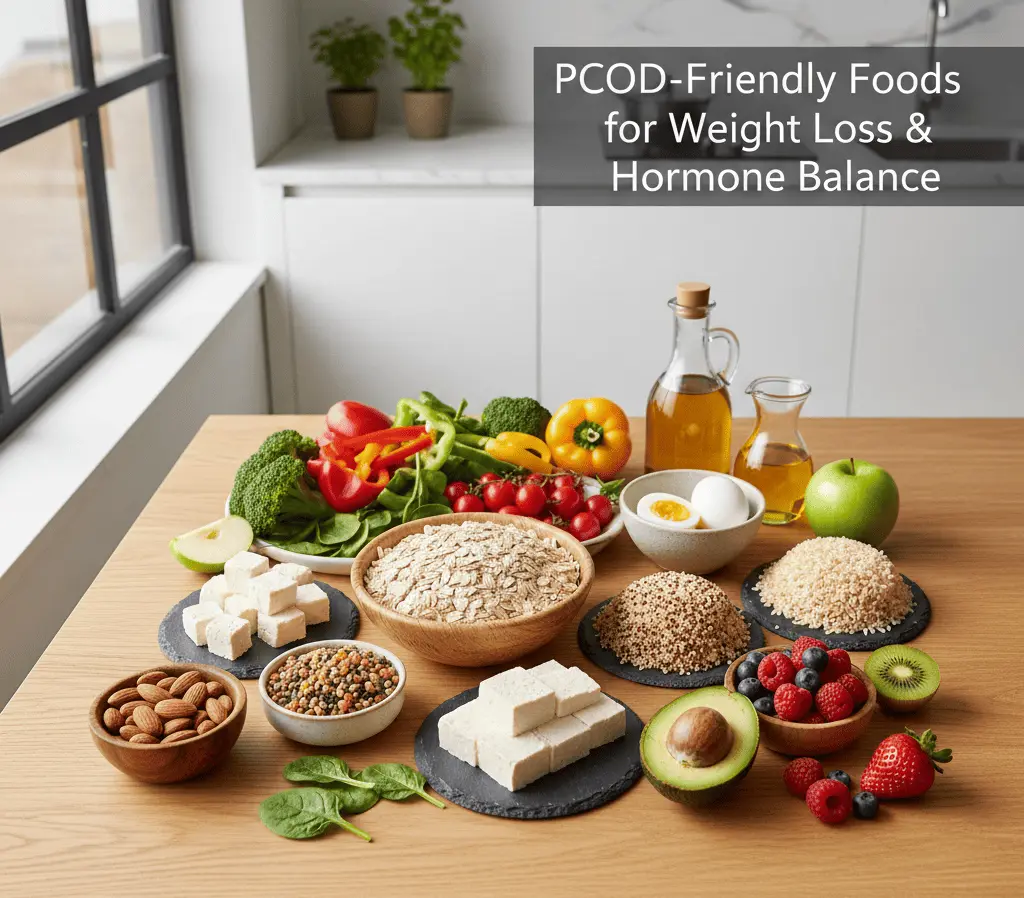
Best Foods for PCOD Weight Loss and Hormone Control

Best Foods for PCOD Weight Loss and Hormone Control

Polycystic Ovarian Disease (PCOD) is a widespread hormonal disorder affecting millions of women worldwide. Common symptoms include weight gain, irregular periods, acne, excessive hair growth, hair thinning, mood swings, and sugar cravings, making PCOD one of the most challenging conditions to manage naturally.

Weight management is often difficult in PCOD due to insulin resistance, high androgen levels, slow metabolism, and hormonal imbalances. This makes diet, exercise, and lifestyle modifications critical for hormone balance, weight control, and long-term health.

A carefully designed PCOD diet focuses on:

  • Balancing insulin and blood sugar levels
  • Reducing inflammation
  • Supporting lean muscle growth
  • Promoting healthy weight loss without compromising hormones

In this detailed guide, we’ll explore the best foods for PCOD weight loss and hormone control, including tables, meal plans, lifestyle tips, and FAQs, so you can take control of your health naturally.

pcod diet plan in ludhiana

Understanding PCOD and Hormonal Imbalance

What is PCOD?

PCOD is a hormonal disorder in which the ovaries produce excess male hormones (androgens), causing irregular ovulation and various metabolic issues.

Symptoms of PCOD

Symptom

Cause / Hormonal Link

Irregular periods

High androgens, ovulation issues

Weight gain

Insulin resistance, slow metabolism

Belly fat

Cortisol & androgen imbalance

Acne & oily skin

Excess androgens

Excess hair growth

Androgen imbalance

Hair thinning

Hormonal imbalance

Mood swings & fatigue

Insulin resistance + hormone fluctuation

Hormones Affected

Hormone

Role in PCOD

Insulin

Resistance leads to fat storage and sugar cravings

Androgens

Hair growth, acne, irregular cycles

Estrogen

Low or imbalanced levels disrupt menstruation

Progesterone

Low levels affect ovulation

Insight: Insulin resistance is the most common culprit for weight gain in PCOD. Controlling insulin via diet is key to managing symptoms naturally.

Why Weight Loss is Difficult in PCOD

  1. Insulin Resistance: Cells don’t respond properly, causing fat storage.
  2. Hormonal Imbalance: High androgen levels lead to belly fat accumulation.
  3. Slow Metabolism: Chronic inflammation reduces calorie burning efficiency.
  4. Cravings & Appetite Fluctuations: Insulin spikes trigger sugar cravings.

Role of Diet in PCOD

Diet plays a central role in managing PCOD. The right foods can balance hormones, control insulin, reduce inflammation, and support weight loss.

Macronutrients and Their Role

Nutrient

Role in PCOD

Sources

Protein

Builds muscle, controls cravings, supports insulin balance

Paneer, tofu, lentils, eggs, fish

Carbs

Energy; focus on low GI for blood sugar control

Oats, quinoa, brown rice, millets

Fats

Hormone production, anti-inflammatory

Olive oil, nuts, seeds, avocado

Fiber

Slows digestion, reduces insulin spikes

Vegetables, fruits, whole grains

Common PCOD Diet Mistakes

Mistake

Effect

Crash dieting

Slows metabolism, increases cravings

High sugar intake

Insulin spikes, weight gain

Low protein intake

Muscle loss, slower metabolism

Avoiding all carbs

Hormone imbalance, low energy

Processed food overconsumption

Inflammation & fat accumulation

PCOD Diet Principles

  • Eat low-GI carbs paired with protein and fiber.
  • Include healthy fats in every meal.
  • Consume anti-inflammatory foods like turmeric, ginger, and leafy greens.
  • Avoid refined sugars and processed foods.
  • Maintain consistent meal timings to stabilize insulin.
High-Fiber Foods

Fiber is essential for blood sugar control, weight management, and hormone balance.

High-Fiber Foods Table

Category

Foods

Benefits

Whole grains

Oats, brown rice, quinoa

Slows digestion, controls insulin

Seeds

Chia seeds, flaxseeds

Omega-3, anti-inflammatory

Vegetables

Broccoli, spinach, carrots

High fiber, nutrient-dense

Fruits

Apple, pear, berries

Low GI, antioxidant-rich

Legumes

Lentils, chickpeas, kidney beans

Satiety, protein + fiber

Tip: Include fiber in every meal to prevent insulin spikes and reduce cravinngs.

Protein-Rich Foods

Protein helps build lean muscle, control hunger, and regulate hormones.

Protein Sources Table

Vegetarian

Non-Vegetarian

Portion Recommendation

Paneer (low-fat)

Eggs

100–150g per meal

Tofu

Fish (salmon, sardines)

100–150g per meal

Lentils & dals

Chicken (lean)

100g cooked

Greek yogurt

150–200g

Soybeans

50–75g

Low GI Carbs

Low-GI carbs digest slowly, stabilizing blood sugar and preventing fat gain.

Low GI

High GI (Avoid)

Sweet potato

White potato

Millets (ragi, jowar, bajra)

White rice

Brown rice

Maida / refined flour

Whole wheat roti

White bread

Oats

Sugary cereals

Healthy Fats

Fats are essential for hormone production and reducing inflammation.

Food

Benefits

Almonds

Hormone balance, satiety

Walnuts

Omega-3, reduces inflammation

Olive oil

Anti-inflammatory, heart health

Avocado

Insulin sensitivity

Coconut (moderate)

Energy support

Anti-Inflammatory Foods

PCOD is linked with chronic inflammation, which worsens insulin resistance.

Food

PCOD Benefit

Turmeric

Hormone balance, anti-inflammatory

Ginger

Digestive support

Garlic

Insulin regulation

Green tea

Fat burning, antioxidant-rich

Leafy greens

Detox support

Fruits for PCOD

Choose low-sugar fruits to avoid insulin spikes.

Recommended

Limit

Apple

Banana

Berries

Mango

Kiwi

Grapes

Guava

Chikoo

Papaya (moderate)

Pineapple

Gut-Healthy Foods

A healthy gut improves hormone balance and insulin sensitivity.

Food

Benefits

Curd / Yogurt

Probiotics, gut flora support

Buttermilk

Digestion

Fermented foods

Gut microbiome health

Fiber-rich vegetables

Satiety, detox support

Meal Planning

Sample PCOD-Friendly Meal Plan

Meal

Example

Breakfast

Oats with chia seeds, berries, Greek yogurt

Mid-Morning

Handful of nuts + green tea

Lunch

Brown rice / millet roti + dal + vegetable curry + curd

Afternoon Snack

Roasted chickpeas / fruit

Dinner

Tofu / paneer / fish + sautéed vegetables + salad

Lifestyle & Exercise
  • Exercise improves insulin sensitivity and supports weight loss
  • Recommended: Cardio, strength training, yoga
  • Stress management is crucial (meditation, deep breathing)
  • Sleep 7–8 hours/day to regulate hormones
Supplements & Herbal Support

Supplement / Herb

Benefits

Notes

Inositol

Improves insulin sensitivity

Consult doctor for dosage

Omega-3

Reduces inflammation

Fish oil or flaxseed oil

Vitamin D

Hormone regulation

Blood level check recommended

Cinnamon

Controls blood sugar

Add to breakfast or tea

Fenugreek

Insulin regulation

Can be soaked or powdered

Common PCOD Myths

Myth

Truth

Crash diet cures PCOD

Crash diets slow metabolism and worsen hormones

Fruits should be avoided

Low-sugar fruits are beneficial

Exercise alone can reverse PCOD

Diet + exercise + lifestyle changes needed

Only medication works

Diet and lifestyle interventions have proven benefits

Frequently Asked Questions

 High-fiber, protein-rich foods, low-GI carbs, and healthy fats.

 Yes, with consistent diet and lifestyle changes.

 Yes, focus on low-sugar fruits like berries, apple, and guava.

 Diet significantly helps, but lifestyle support is essential.

 Visible results usually appear in 8–12 weeks with consistent effort.

Conclusion

Managing PCOD requires a holistic approach:

  • Eat high-fiber, protein-rich, low-GI carbs, and healthy fats
  • Avoid processed foods and sugar
  • Maintain consistent meal timings
  • Exercise regularly
  • Manage stress and sleep well


PCOS Diet Plan

Introduction: Diet and Lifestyle: The Secret to Managing PCOS

Millions of women worldwide suffer from a hormonal condition known as polycystic ovarian syndrome, or PCOS. PCOS is more than just irregular periods; it can also affect fertility, increase hair growth, lead to acne, cause weight gain, and even increase the risk of heart disease and diabetes.

Hormonal imbalance, particularly with regard to insulin and androgens (male hormones), is one of the main issues that women with PCOS deal with. Research shows that diet and lifestyle modifications are the most effective way to naturally control PCOS, even though medications can help manage symptoms.

Customized diet plans for women with PCOS are our specialty at Fitly Diet Clinic – Your Complete Guide to Nutrition, Lifestyle & Wellness. These programs focus on long-term hormonal balance, enhanced quality of life, and symptom control.

PCOS Diet Plan

What is PCOS and Why Diet Is Important

PCOS is mostly associated with:

  1. nsulin resistance: This condition causes the body’s cells to not react to insulin as well, which raises blood sugar levels and causes weight gain.
  2. Hormonal imbalance: Acne, hair growth, and infertility are caused by elevated androgens.
  3. Inflammation: Prolonged low-grade inflammation exacerbates symptoms.

A diet is necessary because

  • Foods with a high glycemic index (GI) raise blood sugar levels and exacerbate insulin resistance.
  • Processed foods and unhealthy fats make inflammation worse.
  • Hormone regulation, ovulation, and weight management are all supported by balanced, nutrient-rich foods.

 Visit our Pillar Page for a more comprehensive look at how nutrition promotes health.

PCOS Dietary Foods

1. The Insulin Balancers: High-Fiber Foods

Fiber slows down digestion and keeps blood sugar levels from rising too quickly. This promotes weight loss, improves gut health, and manages insulin resistance.

For instance:

  • Fruits: berries, apples, pears, and oranges
  • Vegetables: broccoli, spinach, kale, and cauliflowe
  • Whole grains: oats, brown rice, and quinoa
  • Legumes: lentils, beans, and chickpeas

PCOS Nutrition and Gut Health

2. The Hormone Supporters: Lean Proteins

Protein increases metabolism, maintains muscle health, and balances blood sugar.

For instance:

  • Eggs
  • Lean chicken and turkey; 
  • fish (salmon, tuna, and mackerel);
  •  plant proteins (lentils, tofu, edamame, and beans)

Advice 👉 To slow the release of glucose, combine protein with carbohydrates high in fiber.

3. Hormonal Regulators: Good Fats

Not all fats are harmful. The proper fats lower inflammation and promote the synthesis of hormones.

  • Examples include:
  •  Avocado
  •  nuts and seeds (walnuts, chia seeds, flaxseeds, and pumpkin seeds)
  •  coconut and olive oils.
  •  Fatty fish, such as mackerel and sardines

Hormonal Imbalance Diet Plans

4. The Sugar Controllers: Low Glycemic Index (GI) Foods

Foods with a low GI release energy gradually, avoiding insulin spikes.

Examples

  • include using whole wheat chapati in place of white bread  
  • sweet potatoes in place of white potatoes.
  •  Green leafy vegetables in place of refined rice
  •  Quinoa

5. Foods That Reduce Inflammation: A Guide

One of the hidden causes of PCOS symptoms is inflammation. Anti-inflammatory foods help lessen fatigue, bloating, and acne.

Examples include

  • tomatoes
  • ginger
  • garlic
  • turmeric
  • green tea
  • dark leafy greens.

Avoidable Foods for PCOS

1. Sugar and refined carbohydrates

These foods exacerbate insulin resistance and raise blood sugar levels.

  • Pastries, pasta, and white bread
  • Sugary beverages
  • Cereals that have been processed

2. Junk and processed foods

These foods encourage inflammation and weight gain because they are high in sodium and bad fats.

  •  Burgers, fries, and pizza
  •  Packaged snacks, instant noodles, and chips

3. Dairy (sometimes)

Dairy products can cause hormonal imbalances and increased acne in certain women. Try oat milk, soy milk, or almond milk as substitutes.

4. Processed and Red Meats

connected to increased inflammation. Limiting is the best course of action.

  •  Hot dogs, sausages, and bacon
  •  High-fat pork or beef

5. Too Much Alcohol and Caffeine

Increases the stress hormone cortisol, which exacerbates PCOS symptoms.

Key Nutrients in PCOS:

Magnesium (found in spinach, almonds, and pumpkin seeds): Enhances insulin sensitivity

  • Vitamin D: Controls fertility and the menstrual cycle (sunlight, fortified milk, salmon)
  • Omega-3 fatty acids: Cut down on androgens and inflammation (fish oil, chia seeds, walnuts)
  •  Zinc: Found in chickpeas, oysters, and pumpkin seeds; aids in acne and hair growth.
  • Iron: Handles heavy meals (lentils, lean meat, and spinach).

Examples of PCOS Diet Plans

👉 One-Day Indian PCOS Diet Plan

  • Breakfast: Vegetable oats upma with flaxseeds + green tea
  • Mid-Morning Snack: Apple slices + handful of almonds
  • Lunch: Brown rice + dal + grilled paneer + spinach sabzi
  • Evening Snack: Roasted chana + herbal tea
  • Dinner: Grilled fish or tofu + quinoa + sautéed broccoli

Western PCOS Diet Plan

  • Breakfast: Overnight oats with chia seeds & berries
  • Mid-Morning Snack: Boiled egg + walnuts
  • Lunch: Grilled chicken with quinoa & kale salad
  • Evening Snack: Hummus with cucumber & carrot sticks
  • Dinner: Baked salmon + sweet potato + asparagus

Lifestyle Changes to Support PCOS Diet

  • Exercise daily – walking, yoga, HIIT, strength training
  • Prioritise sleep – 7–8 hours reduces cortisol & insulin resistance
  • Stress management – meditation, journaling, deep breathing
  • Hydration – 2–3 litres water daily

According to the Mayo Clinic, nutrition and weight management remain the first-line treatment for PCOS before medications. This proves how critical diet is in reversing symptoms.

FAQs on PCOS Diet Plan

 No, but diet can significantly reduce symptoms and restore hormonal balance.

 Yes, but only if guided by an expert. It may improve insulin sensitivity in some women.

 Berries, pears, apples, and citrus fruits are ideal due to their low GI.

 Not always. Some tolerate dairy, but if acne worsens, switch to plant-based alternatives.

A balanced, sustainable diet works better long term than extreme diets like keto.

What Our Client Say

Ananya S. Mumbai

I struggled with irregular periods and weight gain due to PCOS for years. After following the PCOS diet plan suggested in this blog, I started noticing improvements within a few weeks. My energy levels are up, and I finally feel more in control of my health.

Riya K. Bangalore

The guidance in this PCOS diet plan is simple yet effective. The focus on whole foods and portion control helped me lose 6 kg in three months, and my hormonal fluctuations became much more manageable.

Sneha P. Delhi

I had tried many diets before, but nothing worked for my PCOS symptoms. The tips from this company were realistic and easy to stick to. Within two months, my cycle became more regular, and I feel healthier overall.

In conclusion

Although PCOS can feel overwhelming, you can take back control of your health with the correct dietary approach. Lean proteins, healthy fats, fiber-rich foods, and anti-inflammatory meals promote hormone balance, cycle regulation, and weight management.

We at Fitly Diet Clinic – Your Complete Guide to Nutrition, Lifestyle & Wellness offer personalized PCOS diet plans based on your physical characteristics, way of life, and health requirements. Our strategy is result-driven, scientifically grounded, and sustainable.

👉 Make an appointment with Fitly Diet Clinic to begin your transformation and take the first step toward hormonal balance right now.