
Category: Fitly Diet

Anti-Bloating Foods for Women After Delivery: Complete Postpartum Guide

Anti-Bloating Foods for Women After Delivery: Complete Postpartum Guide

Motherhood is one of the most beautiful and challenging journeys a woman can experience. While the arrival of a newborn brings immense joy, it also brings physical and emotional challenges, including hormonal fluctuations, digestive issues, water retention, and postpartum bloating.

For many women, bloating after delivery is a common issue. It can cause discomfort, heaviness, and interfere with daily activities, making the early postpartum weeks even more challenging. The good news is that proper nutrition, hydration, and lifestyle adjustments can significantly reduce bloating and improve overall well-being.

postpartum diet plan

Understanding Postpartum Bloating

Bloating after childbirth is a natural and common occurrence, but it can be aggravated by poor dietary habits, hormonal shifts, dehydration, and lack of physical activity.

Causes of Postpartum Bloating

  1. Hormonal Changes
    During pregnancy and after delivery, hormones like progesterone remain elevated. Progesterone relaxes the digestive muscles, slowing down bowel movements and causing bloating.
  2. Water Retention
    After delivery, your body may retain fluids to heal tissues and maintain hydration, especially if you had a cesarean delivery or significant swelling during pregnancy.
  3. Constipation
    Reduced mobility, pain medications, or iron supplements may lead to constipation, which can increase abdominal swelling and gas.
  4. Gas Accumulation
    Certain foods, including beans, carbonated drinks, and cruciferous vegetables, can produce gas and worsen bloating.
  5. Cesarean Section
    Recovery from C-section surgery can cause abdominal swelling, slower digestion, and temporary bloating.

Understanding the underlying causes helps in targeting your diet and lifestyle to alleviate bloating effectively.

Key Principles for Reducing Postpartum Bloating

While diet is central, a holistic approach is essential. Here are some principles every new mother should follow:

  1. Eat Small, Frequent Meals
    Large meals put pressure on the digestive system and can lead to gas accumulation. Eating 5–6 small meals supports efficient digestion.
  2. Stay Hydrated
    Water is crucial for flushing out excess sodium and reducing bloating. Aim for at least 3–3.5 liters of fluids daily, including water, herbal teas, and coconut water.
  3. Include Fiber-Rich Foods
    Fiber promotes smooth bowel movements and prevents constipation, a major contributor to bloating.
  4. Include Probiotics
    Fermented foods like yogurt or kefir help maintain a healthy gut microbiome, improving digestion and reducing gas.
  5. Avoid Gas-Producing Foods
    Limiting carbonated drinks, processed snacks, and certain vegetables can prevent bloating spikes.

Top Anti-Bloating Foods for Women After Delivery

Eating the right foods can support digestion, reduce inflammation, and relieve bloating naturally. Here’s a detailed breakdown:

Food

Benefits

How to Include

Papaya

Contains papain enzyme that aids digestion and reduces constipation

Fresh slices after breakfast or as a snack

Pineapple

Bromelain enzyme helps reduce inflammation and bloating

In fruit salads or smoothies

Cucumber

High water content, reduces water retention

Raw in salads or smoothies

Ginger

Stimulates digestion, reduces gas, nausea

Ginger tea, grated in meals, or added to soups

Fennel Seeds (Saunf)

Carminative; naturally relieves gas

Chew after meals or brew fennel tea

Yogurt / Probiotics

Restores healthy gut bacteria

Include plain yogurt with meals or as a snack

Banana

High in potassium, balances sodium, reduces water retention

Snack or in smoothies

Oats

High fiber, supports digestion

Oatmeal with fruits or nuts for breakfast

Leafy Greens (Spinach, Kale)

Fiber-rich, prevents constipation

Salads, sautéed, or in soups

Asparagus

Natural diuretic, reduces water retention

Steam or lightly sauté

Watermelon

Hydrating, reduces bloating and swelling

Snack or part of smoothie

Carom Seeds (Ajwain)

Improves digestion, reduces gas

Add in cooking or boil for water

Coconut Water

Hydrates and replenishes electrolytes

Drink between meals

Mint / Peppermint

Soothes the digestive tract

Add to teas or meals

Foods to Avoid to Prevent Postpartum Bloating

While incorporating anti-bloating foods, it’s equally important to avoid foods that aggravate bloating:

Food Category

Why Avoid

Carbonated drinks

Introduce gas into the digestive system

Deep-fried & processed foods

Heavy, slow to digest, increase inflammation

Excess sugar

Fermentation in gut causes gas

Raw cruciferous vegetables (cabbage, broccoli, cauliflower)

Can cause gas and bloating in sensitive stomachs

Excess salt

Causes water retention and swelling

Artificial sweeteners

Can trigger bloating and gas in some people

Sample 7-Day Anti-Bloating Meal Plan for New Mothers

Day 1

  • Breakfast: Oatmeal with banana slices + ginger tea
  • Mid-Morning Snack: Papaya or pineapple chunks
  • Lunch: Multigrain roti + steamed spinach + grilled paneer + cucumber salad
  • Evening Snack: Yogurt with chia seeds + coconut water
  • Dinner: Steamed asparagus + dal + brown rice
  • Bedtime: Warm fennel tea

Day 2

  • Breakfast: Moong dal cheela + mint chutney
  • Mid-Morning Snack: Watermelon slices
  • Lunch: Brown rice + rajma + cucumber & carrot salad
  • Evening Snack: Roasted almonds + ginger tea
  • Dinner: Steamed zucchini + grilled chicken + quinoa
  • Bedtime: Mint tea

(Continue variety for Days 3–7 with rotation of leafy greens, lean proteins, and fruits.)

Lifestyle Habits to Reduce Postpartum Bloating

Nutrition alone is not enough. Combining diet with healthy lifestyle habits maximizes results:

  1. Gentle Walking: Activates digestion and reduces gas accumulation.
  2. Postpartum Yoga: Poses like Cat-Cow and Wind-Relieving Pose help relieve bloating.
  3. Avoid Lying Down Immediately After Meals: Helps prevent digestive slow-down.
  4. Chew Food Slowly: Promotes digestion and reduces swallowed air.
  5. Abdominal Massage / Warm Compress: Gentle tummy massage improves circulation and reduces .
Common Postpartum Digestive Issues and How to Address Them
  1. Low Milk Supply Due to Bloating
  • Stay hydrated and include galactagogue foods like oats and fenugreek.
  1. Constipation
  • Add fiber-rich foods (oats, fruits, leafy greens) and drink plenty of water.
  1. Gas and Cramping
  • Use ginger, fennel, and mint in diet to improve digestion.
  1. Water Retention
  • Limit salt intake, drink coconut water, and consume potassium-rich foods like bananas.
Frequently Asked Questions (FAQs)

 Typically, bloating reduces within 2–6 weeks post-delivery, depending on diet, hydration, and activity.

Yes, but gas-producing vegetables should be lightly cooked or steamed.

 Yes, probiotic foods like yogurt restore gut bacteria and improve digestion.

Absolutely. Proper hydration reduces water retention and supports digestion.

Yes, ginger reduces gas, nausea, and digestive discomfort. It’s safe for breastfeeding mothers.

Conclusion

Postpartum bloating is a common but manageable condition. By focusing on anti-bloating foods, proper hydration, and supportive lifestyle habits, new mothers can reduce discomfort, improve digestion, and accelerate recovery after delivery.

Key takeaways:

  • Include papaya, pineapple, cucumber, ginger, fennel seeds, yogurt, leafy greens, oats, and bananas in daily meals.
  • Avoid processed foods, excess salt, carbonated drinks, and raw gas-producing vegetables.
  • Drink plenty of water, practice gentle movement, and prioritize rest.
  • Combine diet with postpartum yoga, walking, and mindful eating for best results.

With consistent effort, a well-planned anti-bloating diet helps new mothers feel lighter, energetic, and ready to embrace motherhood fully.

Complete Lactation Diet Plan for New Mothers

Complete Lactation Diet Plan for New Mothers

A Comprehensive Guide to Improve Breast Milk Supply, Support Recovery & Maintain Energy Naturally

The postpartum period is one of the most physically demanding and emotionally sensitive phases in a woman’s life. After childbirth, your body is healing, your hormones are fluctuating, sleep is irregular, and you are now responsible for nourishing another human being through breastfeeding.

During this time, following a structured and nutrient-rich lactation diet plan for new mothers becomes essential—not just for increasing breast milk supply, but also for protecting your own health, strength, mood stability, and long-term recovery.

Many new mothers underestimate how nutritionally demanding breastfeeding can be. Breast milk production is not automatic magic; it depends heavily on your calorie intake, protein consumption, hydration levels, micronutrient stores, and hormonal balance. A poorly planned breastfeeding diet plan may lead to fatigue, irritability, low milk supply, hair thinning, weakness, and nutrient depletion over time.

This complete guide will help you understand:

  • What a complete lactation diet plan looks like
  • How to increase breast milk naturally
  • Daily calorie and nutrient requirements during breastfeeding
  • Indian meal plan examples for nursing mothers
  • Postpartum weight management without affecting milk supply
  • Foods to avoid during lactation
  • Lifestyle habits that support breastfeeding

Let’s explore everything in depth.

Lactation Diet Plan
Understanding the Nutritional Demands of Breastfeeding

Breastfeeding mothers burn approximately 400–500 extra calories per day to produce breast milk. However, these calories must come from nutrient-dense foods, not empty calories.

Breast milk contains:

  • High-quality protein
  • Essential fatty acids
  • Lactose (natural milk sugar)
  • Vitamins (A, B-complex, D, E, K)
  • Minerals (calcium, magnesium, zinc, iodine)
  • Immune-supporting antibodies

If your diet lacks these nutrients, your body compensates by using stored reserves. Over time, this may cause exhaustion and deficiencies.

This is why a complete lactation diet plan for new mothers focuses on:

✔ Adequate protein
✔ Healthy fats
✔ Complex carbohydrates
✔ Iron and calcium
✔ Proper hydration
✔ Anti-inflammatory foods

Daily Nutritional Requirements During Lactation

Below is a simplified breakdown of key nutrient needs:

Nutrient

Why It’s Important

Sources

Protein

Milk production, tissue repair

Dal, paneer, eggs, chicken

Calcium

Bone protection

Milk, sesame, ragi

Iron

Prevent anemia

Spinach, jaggery, lentils

Omega-3

Baby’s brain development

Flaxseeds, walnuts

Fiber

Prevent constipation

Fruits, vegetables, oats

Water

Milk production

3–3.5 liters daily

Protein: The Foundation of a Lactation Diet Plan

Protein is the most critical nutrient during breastfeeding. It supports:

  • Tissue repair after delivery
  • Hormonal balance
  • Sustained milk production
  • Muscle strength

Recommended Intake:

Approximately 70–100 grams per day

High-Quality Protein Sources:

  • Moong dal, masoor dal
  • Rajma, chole
  • Paneer
  • Curd
  • Eggs
  • Chicken
  • Fish
  • Tofu

A protein-rich breastfeeding diet plan ensures stable energy and reduces postpartum fatigue.

Healthy Fats: Essential for Baby’s Brain & Hormones

Healthy fats improve milk quality and support hormone regulation.

Include:

  • Almonds and walnuts
  • Flaxseeds and chia seeds
  • Pure desi ghee (in moderation)
  • Coconut
  • Avocado

Avoid trans fats and highly processed oils.

Complex Carbohydrates: Energy Without Crashes

New mothers often experience energy dips. Refined carbs cause spikes and crashes, while complex carbs provide steady fuel.

Best Choices:

  • Oats
  • Brown rice
  • Whole wheat roti
  • Millets (ragi, jowar)
  • Sweet potatoes
Hydration: The Most Overlooked Factor

Breast milk is nearly 90% water. Even mild dehydration may affect milk supply.

Ideal Fluid Intake:

3–3.5 liters daily

Include:

  • Plain water
  • Coconut water
  • Buttermilk
  • Soups
  • Herbal drinks

Keep a water bottle near you during feeding sessions.

Foods That Naturally Increase Breast Milk Supply​

Certain foods known as natural galactagogues may help boost milk production.

Lactation-Boosting Foods:

  • Fenugreek seeds (methi)
  • Fennel seeds (saunf)
  • Ajwain water
  • Oats
  • Garlic
  • Dill leaves
  • Whole grains

These can be included in your daily lactation diet plan.

Complete 7-Day Lactation Diet Plan (Indian Style)

Day 1

Time

Meal

Early Morning

Warm water + soaked almonds

Breakfast

Vegetable oats + curd

Mid-Morning

Banana + coconut water

Lunch

Multigrain roti + dal + lauki sabzi + salad

Evening

Roasted makhana

Dinner

Khichdi + paneer bhurji

Bedtime

Haldi milk

Day 2

Breakfast: Moong dal cheela + mint chutney
Lunch: Brown rice + rajma + cucumber salad
Dinner: Vegetable soup + roti + palak paneer

(Continue rotating dals, vegetables, and proteins throughout week.)

Lactation Diet Plan for Safe Postpartum Weight Loss

Weight loss during breastfeeding should be gradual.

Safe Strategy:

  • Avoid extreme calorie restriction
  • Maintain minimum 1800–2000 calories
  • Walk 30 minutes daily
  • Do postpartum-approved exercises
  • Focus on protein and fiber

Gradual fat loss of 0.5 kg per week is safe.

Crash dieting may reduce milk supply and affect mood.

Common Breastfeeding Challenges & Dietary Solutions

Low Milk Supply

Increase hydration and protein intake. Add oats and fenugreek.

Hair Fall

Improve iron, protein, and omega-3 intake.

Fatigue

Increase calorie intake slightly and ensure iron-rich foods.

Constipation

Add fiber-rich fruits and vegetables.

Foods to Avoid During Breastfeeding
  • Excess caffeine
  • Alcohol
  • Highly processed packaged food
  • Sugary drinks
  • Artificial sweeteners

Moderation is key.

Lifestyle Habits That Support Lactation

Diet works best when combined with:

  • Adequate rest
  • Stress management
  • Gentle stretching or walking
  • Emotional support

Stress hormones can affect milk flow, so relaxation matters.

FAQs – Complete Lactation Diet Plan for New Mothers

Limit to 1–2 cups per day.

Yes, dehydration may reduce supply.

Yes, gradual and balanced weight loss is safe.

Fenugreek, oats, fennel seeds may help.

Final Conclusion

A complete lactation diet plan for new mothers is about nourishing yourself to nourish your baby. Breastfeeding is physically demanding, and your body needs proper fuel to maintain milk production, heal after childbirth, and stay energized.

Focus on protein-rich foods, healthy fats, complex carbs, hydration, and traditional nutrient-dense meals. Avoid crash dieting and prioritize gradual recovery.

Motherhood requires strength—and strength begins with nutrition

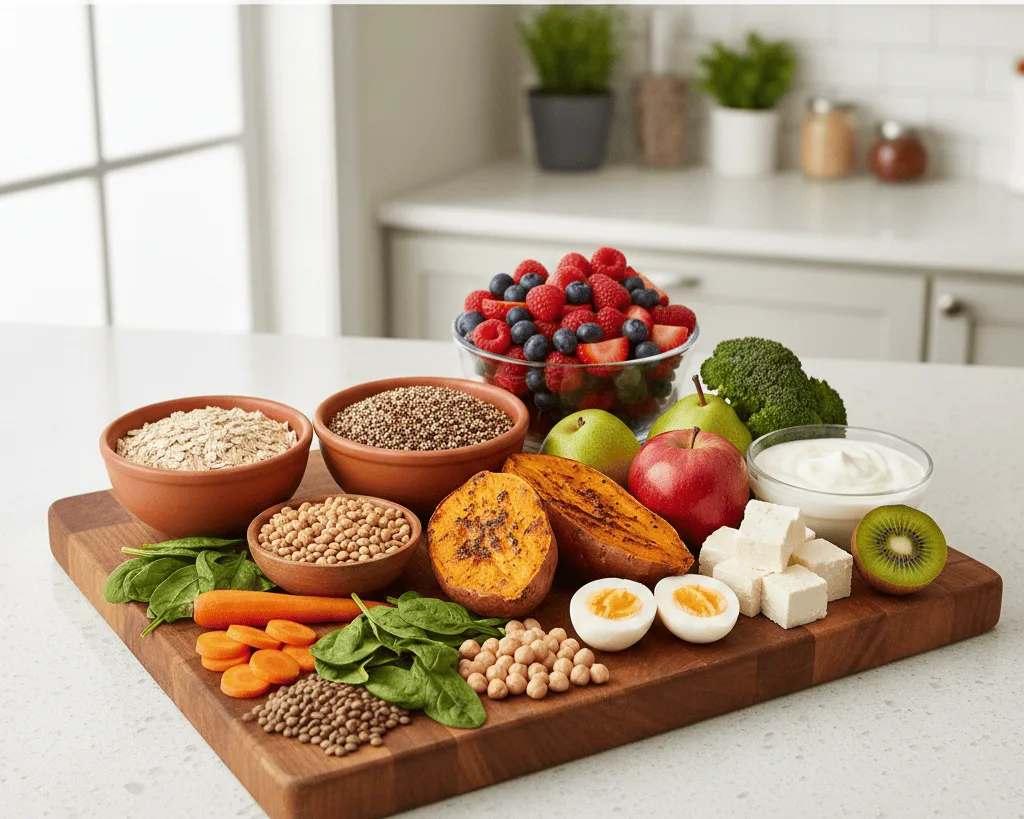
How to Control Blood Sugar with Low GI Foods

How to Control Blood Sugar with Low GI Foods

Managing blood sugar is one of the biggest challenges for people with diabetes, prediabetes, PCOD, or insulin resistance. One of the most effective tools for blood sugar control is the Glycemic Index (GI). Low GI foods release glucose slowly, prevent spikes in blood sugar, and improve insulin sensitivity.

Blood Sugar treatment

Understanding the Glycemic Index (GI)

What is the Glycemic Index?

The Glycemic Index (GI) is a numerical scale (0–100) that measures how quickly a carbohydrate-containing food raises blood glucose levels after consumption.

  • Low GI (≤55): Slowly digested and absorbed → gradual rise in blood sugar
  • Medium GI (56–69): Moderate effect on blood sugar
  • High GI (≥70): Rapid digestion → rapid spike in blood sugar

The lower the GI, the more stable your blood sugar will remain after eating.

Why Low GI Foods Are Important

  1. Prevent Blood Sugar Spikes: Slow glucose release reduces hyperglycemia episodes.
  2. Enhance Insulin Sensitivity: Stable glucose levels prevent insulin overproduction.
  3. Promote Satiety: Keeps you full longer, reducing unhealthy snacking.
  4. Support Weight Management: Helps in controlling visceral fat and preventing obesity.
  5. Reduce Long-Term Complications: Heart disease, nerve damage, and kidney issues risk are minimized.

Table 1: Glycemic Index Classification

GI Range

Classification

Example Foods

0–55

Low GI

Oats, quinoa, barley, lentils, apples

56–69

Medium GI

Brown rice, whole wheat bread, pineapple

70+

High GI

White rice, white bread, cornflakes, watermelon

How Blood Sugar Works & Role of GI

When we eat carbohydrate-containing foods, the body converts them into glucose, which enters the bloodstream. Insulin, a hormone produced by the pancreas, is released to allow cells to absorb glucose for energy.

In diabetes and insulin resistance:

  • The body’s cells do not respond effectively to insulin → glucose remains in the blood → hyperglycemia
  • High GI foods cause rapid spikes in blood sugar → excessive insulin production → fat storage and weight gain

Low GI approach:

  • Foods release glucose slowly → prevent rapid blood sugar spikes
  • Reduce insulin demand → improves metabolic efficiency
  • Supports weight loss, energy balance, and long-term health

Table 2: Blood Sugar Response – Low GI vs High GI Foods

Food

Blood Sugar Response

Insulin Response

White bread

Rapid spike

High insulin surge

Oats

Gradual rise

Moderate insulin response

Sweet potato

Slow rise

Low insulin demand

Lentils

Minimal rise

Stable insulin response

Top Low GI Foods for Blood Sugar Control

A low GI diet should include a variety of nutrient-rich foods that stabilize glucose, support metabolism, and promote hormone balance.

  1. Whole Grains

Food

GI Value

Benefits

Oats

55

Slowly releases glucose, promotes satiety

Quinoa

53

High protein and fiber, stabilizes blood sugar

Barley

25

Reduces cholesterol, lowers insulin spikes

Brown rice

50–55

Provides steady energy and fiber

  1. Legumes & Pulses

Food

GI Value

Benefits

Lentils

30

Protein-rich, slow glucose release

Chickpeas

28

Controls appetite, stabilizes blood sugar

Kidney beans

24

High fiber, promotes satiety

Black beans

30

Balanced carbs, reduces sugar spikes

  1. Low GI Fruits

Fruit

GI Value

Notes

Apple

38

Fiber-rich, supports satiety

Pear

38

Prevents rapid glucose spikes

Berries

40–45

Low sugar, high antioxidants

Kiwi

52

Vitamin C, fiber, antioxidants

Orange

43

Natural sweetness, vitamin-rich

  1. Vegetables

Vegetable

GI Value

Benefits

Broccoli

10

Antioxidant-rich, stabilizes blood sugar

Spinach

15

Low-carb, nutrient-dense

Carrots

39

Slow glucose absorption

Sweet potato

44

Complex carbs, low GI

  1. Protein Sources & Dairy

Food

GI Value

Benefits

Greek yogurt

36

Probiotics, protein-rich

Paneer

27

Low-carb, stabilizes meal GI

Eggs

0

No carbs, supports satiety

Chicken / Fish

0

Protein source, no sugar spike

Foods to Avoid for Blood Sugar Control

Food Category

Reason

White rice / White bread

High GI → rapid glucose spike

Pastries / Cakes / Cookies

Refined carbs, low fiber

Sugary drinks / Sodas

Immediate insulin surge, fat storage

Instant cereals / Cornflakes

High GI, low nutrient density

Fried snacks / Potato chips

High GI + unhealthy fats → insulin spike

Tip: Replace high GI foods with whole grains, legumes, and fiber-rich fruits/vegetables.

Low GI Meal Planning

Eating low GI foods consistently throughout the day is critical for blood sugar management.

Sample 7-Day Low GI Meal Plan

Meal

Example

Breakfast

Oats porridge with chia seeds, almonds, and blueberries

Mid-Morning

Handful of walnuts + green tea

Lunch

Quinoa salad with chickpeas, spinach, cucumber, and olive oil

Afternoon Snack

Greek yogurt with apple slices

Dinner

Lentil soup with steamed vegetables and paneer

Tips:

  • Combine protein + fiber + healthy fats in every meal
  • Avoid skipping meals to prevent glucose spikes
  • Drink at least 2–3 liters of water daily
Lifestyle Tips to Support Blood Sugar Control
  • Exercise Regularly: Walking, yoga, and strength training improve insulin sensitivity
  • Sleep Well: 7–8 hours nightly; poor sleep raises blood sugar
  • Stress Management: Meditation, breathing exercises → reduce cortisol → prevent glucose spikes
  • Meal Timing: Eat small, frequent meals to avoid sudden sugar surges
Benefits of Low GI Diet Beyond Blood Sugar
  1. Weight Management: Slow glucose release reduces fat storage
  2. Heart Health: Low GI foods lower LDL cholesterol and triglycerides
  3. Energy Balance: Provides steady energy without crashes
  4. Hormone Regulation: Reduces insulin and androgen imbalances (beneficial for PCOD)

Long-Term Diabetes Prevention: Supports prediabetes reversal

FAQs About Low GI Foods and Blood Sugar

Low GI foods help control blood sugar, improve insulin sensitivity, and support long-term management but cannot fully reverse diabetes alone.

Yes, but choose low-sugar, low GI fruits like apples, berries, kiwi, and pear.

Yes, but prefer brown rice, barley, or quinoa instead of white rice.

Every meal should focus on low GI foods, combined with protein and healthy fats.

Yes, they are a low GI carb that provides complex carbs and fiber.

Yes, they reduce insulin spikes, increase satiety, and support fat burning.

Yes, it is a low GI whole grain that slowly releases glucose.

Transform Your Health with the Best Dietitian in Ludhiana

Transform Your Health with the Best Dietitian in Ludhiana

Are you fed up with attempting every diet fad and failing to see any change? The fact is that getting the right advice is more important for your health journey than taking short cuts. You can naturally and sustainably reach your wellness, weight loss, and fitness objectives with the assistance of Ludhiana’s top dietitian.

Expert dietitians at Fitly Diet Clinic think that eating right is more important for optimal nutrition than cutting back on food. Let’s find out how a qualified Ludhiana dietitian can improve your health from the inside out.

Best Dietitian in Ludhiana

The Significance of a Dietitian in Ludhiana

The majority of people in today’s hectic lives either eat processed foods, skip meals, or adhere to arbitrary online diet plans. Fatigue, weight gain, hormonal imbalance, and poor digestion are frequently the results of this. A Ludhiana certified nutritionist assists you in determining what your body actually requires.

Here’s why it’s important to speak with a qualified dietitian:

  • Enhanced immunity and energy levels
  • Better control over diabetes, PCOS, and thyroid issues 
  • Personalized meal plans based on your body type and medical needs
  • Healthy, sustainable weight management

Every plan at Fitly Diet Clinic is tailored to your objectives, way of life, and medical background rather than using generic online charts.

Dietitians in Ludhiana Can Assist You in Managing Health Concerns

1. Gaining and Losing Weight

Regardless of your objectives—weight loss or healthy weight gain—the best dietitian in Ludhiana creates a calorie-balanced plan that is rich in protein, fiber, and essential micronutrients.

2. Hormonal Health and PCOS

PCOS is a common issue among women in Ludhiana. A personalized diet that incorporates hormone-balancing nutrients, low-GI carbohydrates, and anti-inflammatory foods can help you regain your health naturally.

3. Metabolism and the Thyroid

To enhance thyroid hormone production and metabolism, your dietitian recommends foods high in iodine and selenium.

4. Management of Diabetes

The secret to stable blood sugar levels is proper diet control. Diabetic patients can experience true food freedom without sacrificing flavor with the knowledgeable assistance of Fitly Diet Clinic.

5. Digestive Wellbeing

A gut-healing diet full of probiotics and plenty of water can help if you frequently experience bloating or acidity. 🩺 Were you aware? One of the best foundations for long-term health, according to the World Health Organization, is a balanced diet. Consult the WHO Nutrition Guidelines for more information.

Personalized Diet Plans Offered by Fitly Diet Clinic

At Fitly Diet Clinic, every plan is 100% customized — because one size never fits all.

Goal

Type of Diet Plan

Duration

Features

Weight Loss

Balanced Calorie Deficit Plan

4–12 weeks

Portion control, weekly tracking

Weight Gain

High-Protein Nutrient Plan

6–10 weeks

Energy-dense meals, progressive results

PCOS

Hormone Balancing Diet

8 weeks

Anti-inflammatory, sugar-free

Diabetes

Low-GI Carb-Controlled Diet

12 weeks

Sugar management, fiber-rich meals

Detox

Liver & Gut Cleansing Plan

2 weeks

Natural detox smoothies

Bridal Glow

Skin & Hair Focused Diet

4–8 weeks

Beauty-boosting nutrients

Each program includes WhatsApp support, meal feedback, and follow-up sessions to ensure visible progress.

How to Pick Ludhiana’s Top Dietician

Before selecting a nutritionist in your area, take into account the following factors:

  1. Qualifications: Verify that they possess an accredited degree in dietetics or nutrition.
  2. Customer testimonials: Examine actual success stories on the internet.
  3. Scientific Approach: Steer clear of anyone pushing pills or crash diets.
  4. 4. Communication: Your dietitian should be aware of your preferences and way of life.
  5. Online Consultation Availability: You can access it even if you’re not in Ludhiana.

You can begin your journey right now by simply scheduling a consultation with a qualified specialist at Fitly Diet Clinic.

Working with a professional dietitian has several advantages, including:
  • Increasing your metabolism naturally;
  • Improving your energy and focus; 
  • Improving the health of your skin and hair;
  • Stabilizing hormones and lowering inflammation; 
  • Assisting in maintaining a long-term, positive relationship with food

By adhering to straightforward, practical diet plans created by experts, actual clients in Ludhiana have seen incredible changes.

Ludhiana Online Diet Consultation

Have a hectic schedule? No issue! Professional nutrition advice is now available online.

You can get your diet plan digitally with weekly progress reports and WhatsApp support by using Fitly Diet Clinic’s online consultation.

Benefits

  • Flexible scheduling
  • virtual follow-ups and check-ins 
  • easy access from any location
  •  time and money savings
Useful Advice from Ludhiana’s Top Dietitian
  1. To maintain an active metabolism, eat small, frequent meals.
  2. Opt for whole grains rather than refined flour.
  3. Drink plenty of water all day long.
  4. Don’t skip breakfast because it determines how quickly your metabolism works.
  5. Give exercise, stress reduction, and sleep top priority

Fitly Diet Clinic promotes a well-rounded lifestyle by integrating mindfulness, hydration, and nutrition.

Sample One-Day Balanced Diet Plan

Time

Meal

Example

7:30 AM

Morning Detox

Lemon water with chia seeds

8:30 AM

Breakfast

Oats, nuts, and banana smoothie

11:00 AM

Mid-Morning Snack

Buttermilk or fruit bowl

1:00 PM

Lunch

Multigrain roti, dal, salad, and veggies

4:00 PM

Snack

Green tea with roasted makhana

7:30 PM

Dinner

Grilled paneer, sautéed veggies, or soup

The Science of Tailored Diet

Because each person’s body is different, what suits one person may not suit another. Before creating your plan, the top dietitian in Ludhiana considers your medical history, activity level, and BMR (basal metabolic rate).

Instead of causing short-term weight swings, this customized approach guarantees long-term fat loss, hormonal balance, and enhanced gut health.

Client Changes: Actual Outcomes

“I lost nine kilograms in three months without going hungry after speaking with Fitly Diet Clinic. My PCOS symptoms have significantly improved. Simran, Ludhiana

“Losing weight felt effortless thanks to their personalized meal plan and ongoing support!” Rohit from Chandigarh

The Reasons Fitly Diet Clinic Is One of Ludhiana’s Best Dietitians

  • Dietitians with certification and experience 
  • emphasis on natural, sustainable results
  • simple follow-ups and support system
  • availability of both in-person and online consultations
  • completely customized plans (no generic templates)

Explore all of the services, success stories, and health initiatives at Fitly Diet Clinic.

FAQs – Frequently Ask Question

 A1. Fitly Diet Clinic is one of the best diet clinics in Ludhiana, offering customized plans for weight loss, diabetes, and hormonal health.

 A2. Yes, experienced dietitians create meal plans that balance hormones and improve thyroid function naturally.

 A3. Absolutely! Online diet plans offer the same level of personalization and expert follow-ups.

 A4. Visible improvements usually appear within 3–4 weeks of following a consistent, customized plan.

 A5. Meal plans, grocery guides, weekly reviews, and lifestyle tips — all tailored to your health goals.

Conclusion

lecting the appropriate specialist is the first step in your health journey. You’re embracing a healthier, more self-assured version of yourself when you work with the top dietitian in Ludhiana.

The “perfect time” is now, so don’t wait for it. 

👉 Begin your journey with Fitly Diet Clinic and allow customized nutrition to transform your way of life.