Category: Uncategorized

7-Day PCOS Diet Plan to Manage Hormones Naturally

7-Day PCOS Diet Plan to Manage Hormones Naturally

Polycystic Ovary Syndrome (PCOS) is a complex hormonal disorder that affects millions of women worldwide. It is not just a reproductive condition; it is a metabolic and endocrine disorder deeply connected to insulin resistance, inflammation, and hormonal imbalance. Many women with PCOS struggle with irregular periods, stubborn weight gain, acne, hair thinning, mood swings, fatigue, and difficulty conceiving.

While medications are often prescribed as part of PCOS treatment, long-term management depends heavily on lifestyle changes. Among these, a scientifically structured PCOS diet plan plays a central role in restoring hormonal balance naturally. A balanced diet can regulate insulin levels, reduce inflammation, support ovulation, and promote sustainable weight loss.

This comprehensive guide explains how a 7-day PCOS diet plan can help manage hormones naturally, improve metabolism, and boost overall well-being.

PCOS Diet Plan

Why Diet is Crucial in PCOS Management

The root cause of PCOS in most women is insulin resistance. When the body does not respond properly to insulin, blood sugar levels rise. In response, the body produces even more insulin. Elevated insulin levels stimulate the ovaries to produce excess androgens (male hormones), which disrupt ovulation and menstrual cycles.

This creates a vicious cycle:

  • High insulin → High androgens
  • High androgens → Irregular ovulation
  • Irregular ovulation → Hormonal imbalance
  • Hormonal imbalance → Weight gain

A carefully planned PCOS weight loss diet helps break this cycle by stabilizing blood sugar levels and improving insulin sensitivity.

Core Principles of a PCOS Diet Plan

Before diving into the 7-day plan, it is important to understand the foundational principles that make a hormone balance diet effective for PCOS.

  1. Low Glycemic Index (Low GI) Foods

Low GI foods release glucose slowly into the bloodstream. This prevents sudden insulin spikes and supports steady energy levels throughout the day. Whole grains, legumes, vegetables, and certain fruits fall under this category.

  1. Balanced Protein Intake

Protein plays a critical role in regulating hunger hormones and stabilizing blood sugar. Including adequate protein in every meal prevents cravings and supports lean muscle mass, which further improves insulin sensitivity.

  1. Healthy Fats for Hormone Production

Hormones are made from fats. Including good-quality fats like omega-3 fatty acids reduces inflammation and supports endocrine function.

  1. High Fiber Intake

Fiber slows down glucose absorption and improves gut health. A healthy gut microbiome is strongly linked with hormonal balance.

  1. Anti-Inflammatory Nutrition

Chronic inflammation worsens PCOS symptoms. Including antioxidant-rich foods reduces oxidative stress and improves metabolic health.

Best Foods to Include in a PCOS Diet Plan

The following table summarizes food groups that are especially beneficial for managing PCOS naturally.

Food Category

Recommended Foods

Why They Help in PCOS

Whole Grains

Oats, quinoa, brown rice, millets

Stabilize blood sugar and reduce insulin spikes

Lean Proteins

Eggs, tofu, paneer, lentils, chicken

Improve metabolism and control hunger

Healthy Fats

Flaxseeds, walnuts, almonds, olive oil

Support hormone production and reduce inflammation

Vegetables

Spinach, broccoli, zucchini, carrots

High fiber and detox support

Low GI Fruits

Berries, apple, pear, kiwi

Provide antioxidants without raising blood sugar rapidly

Seeds

Chia, pumpkin, sunflower

Rich in zinc and omega-3 for hormonal balance


Foods to Avoid in PCOS

Dietary triggers can worsen insulin resistance and hormonal imbalance.

Foods to Limit or Avoid

Reason

Refined sugar

Causes insulin spikes

White bread & maida

High glycemic load

Sugary beverages

Increases fat storage

Fried and processed food

Promotes inflammation

Excess junk food

Disrupts gut health

7-Day PCOS Diet Plan to Manage Hormones Naturally

This structured meal plan focuses on balanced macronutrients, low GI foods, and anti-inflammatory ingredients.


Day 1

The first day focuses on stabilizing blood sugar and introducing fiber-rich foods.

Breakfast includes a bowl of oats cooked with chia seeds and topped with a few almonds. This combination provides fiber, healthy fats, and protein to maintain steady glucose levels.

Mid-morning snack consists of an apple and a handful of walnuts, offering antioxidants and omega-3 fatty acids.

Lunch includes multigrain roti with spinach dal and a mixed vegetable salad. This provides iron, plant protein, and fiber.

Evening snack includes green tea with roasted pumpkin seeds to reduce inflammation.

Dinner includes grilled paneer with sautéed vegetables like zucchini and carrots, ensuring a light but protein-rich meal.

]

Day 2

Day two emphasizes protein and complex carbohydrates.

Breakfast consists of vegetable poha cooked with peanuts, offering healthy fats and fiber.

Mid-morning snack includes papaya, which supports digestion.

Lunch includes brown rice with rajma (kidney beans) and cucumber salad, combining protein and low GI carbs.

Evening snack includes coconut water for hydration.

Dinner includes tofu stir fry with mixed vegetables and quinoa, ensuring sustained energy overnight.


Day 3

Day three introduces more anti-inflammatory elements.

Breakfast includes moong dal chilla with mint chutney. Lentils provide plant-based protein and fiber.

Snack includes almonds and green tea.

Lunch consists of millet roti with mixed vegetable curry and curd (if tolerated), supporting gut health.

Dinner includes grilled chicken (or paneer for vegetarians) with steamed broccoli.


Day 4

Breakfast includes a smoothie made with spinach, banana (half), peanut butter, and flaxseeds. This provides iron, omega-3, and sustained energy.

Lunch includes quinoa salad with chickpeas, cucumbers, and olive oil dressing.

Dinner includes lentil soup with sautéed greens.


Day 5

Breakfast includes scrambled eggs (or tofu) with multigrain toast.

Lunch includes brown rice with chole and fresh salad.

Dinner includes vegetable stir fry with paneer cubes.


Day 6

Breakfast includes oats with pumpkin seeds and milk (or almond milk).

Lunch includes millet khichdi with curd.

Dinner includes grilled fish (or tofu) with leafy greens.


Day 7

Breakfast includes besan chilla with mint chutney.

Lunch includes vegetable pulao made with brown rice and served with raita.

Dinner includes a light soup and seed-rich salad bowl.


How This PCOS Diet Plan Supports Hormone Balance

This 7-day PCOS diet plan works by:

  • Reducing insulin resistance
  • Improving gut microbiome
  • Lowering inflammation
  • Supporting ovulation
  • Encouraging sustainable weight loss

Consistency is essential. Hormonal improvement takes time, typically 2–3 months of disciplined eating.

Lifestyle Support for Better Results

A PCOS diet works best when combined with:

  • Strength training 3–4 times weekly
  • 30 minutes daily walking
  • Stress management techniques
  • 7–8 hours sleep
  • Proper hydration (2.5–3 liters daily)

Frequently Asked Questions

PCOS cannot be permanently cured, but symptoms can be significantly controlled through diet and lifestyle changes.

Yes, but brown rice or controlled portions are recommended.

Healthy weight loss is gradual. Expect visible changes within 6–12 weeks.

It depends on individual tolerance. Low-fat dairy in moderation is usually acceptable.


Customized Diet Plans versus Generic Diet Charts What’s superior?

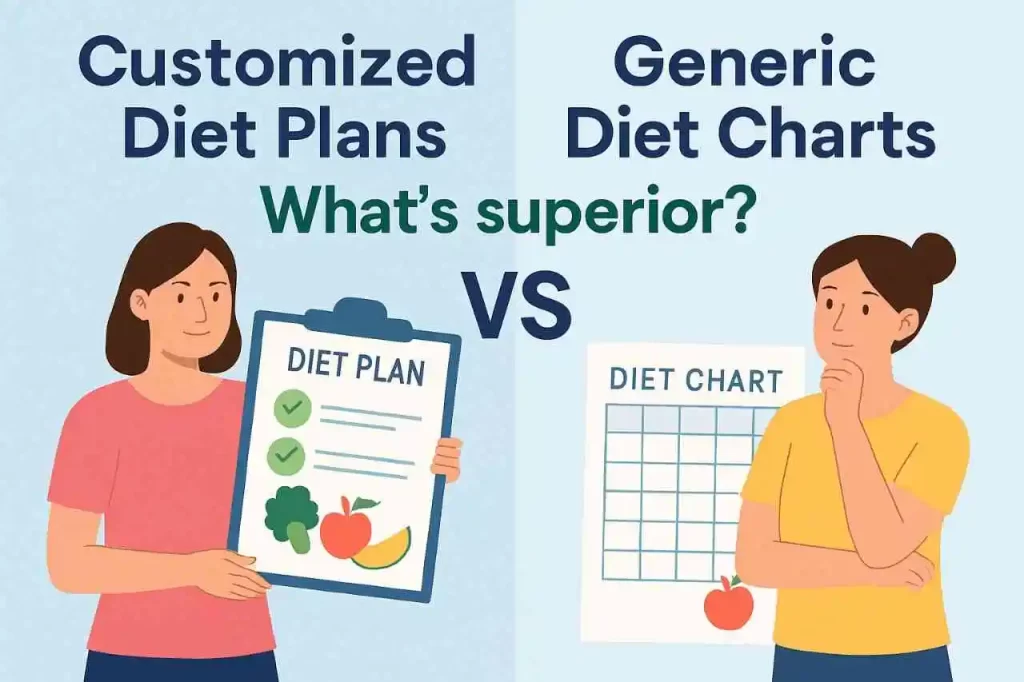
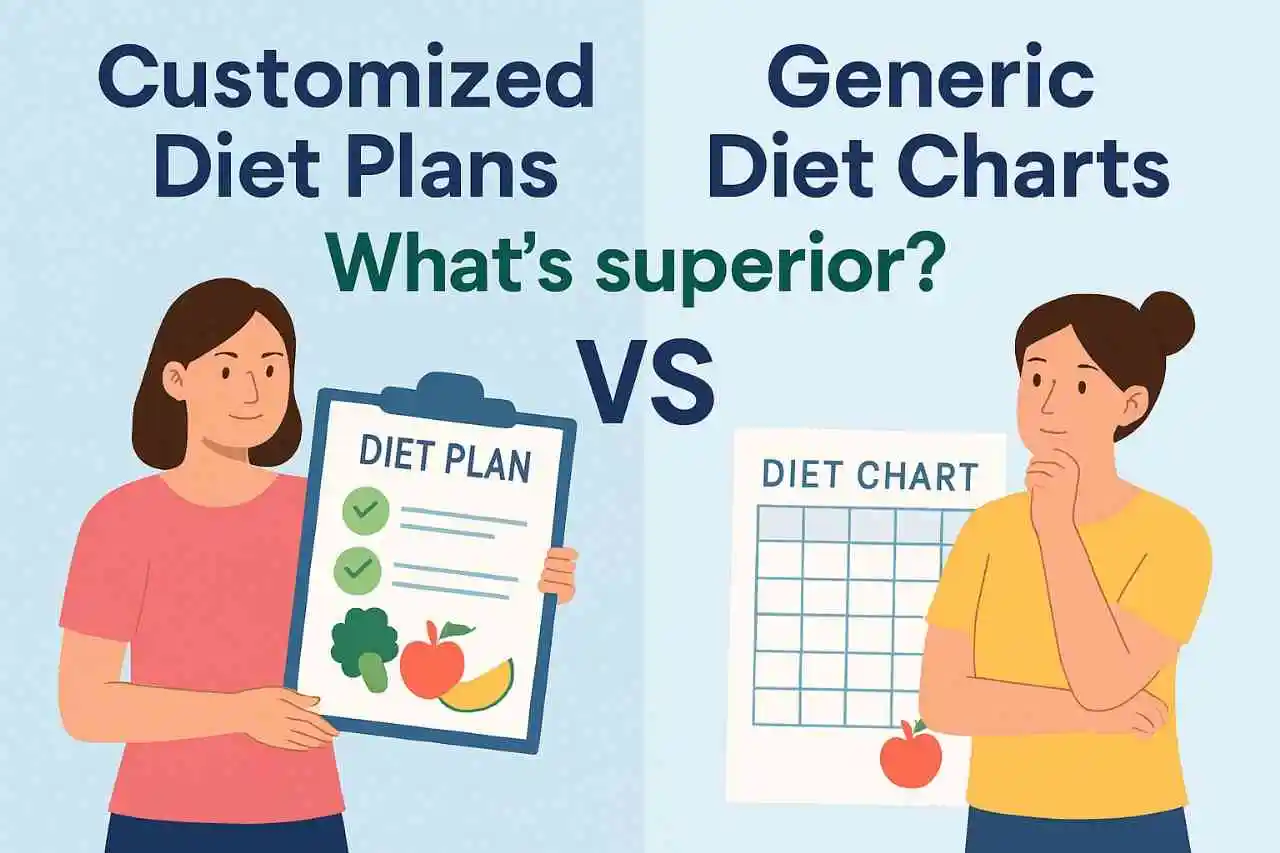
In a society where everyone aspires to attain the highest levels of fitness, health, and wellbeing, diet is crucial. Selecting the best nutritional path can be overwhelming due to the vast number of options available both online and offline. People frequently struggle with the decision of whether to use generic diet charts that are easily found online or to stick to a customized diet plan. At Fitly Diet Clinic, we think it’s important to give you the information and resources you need to make wise health choices. So let’s examine this topic in more detail and determine which strategy is actually better for your health objectives.

optimized diet comparison

Knowing the Fundamentals

A customized diet plan: what is it?

An individual’s age, gender, medical history, body composition, lifestyle, food preferences, allergies, and health objectives are all taken into consideration when creating a customized diet plan. This plan is developed by a certified dietitian or nutritionist following thorough consultations and assessments. It provides a more sustainable and scientific path to fitness and health.

A generic diet chart: what is it?

Conversely, generic diet charts are pre-made meal plans that fall into general categories like “weight loss,” “muscle gain,” or “diabetes diet.” These are frequently found online, in books, or in magazines, and they don’t take into account each person’s particular biological or lifestyle requirements. Although they might be useful as short-term guidelines, they frequently don’t yield long-term effects.

The Argument in Favor of Tailored Diet Plans

1. Customized to Meet Your Needs

Everybody is unique. Your body’s particular metabolism, nutrient needs, and dietary restrictions are respected by a customized diet plan. A personalized plan adapts to your objectives, whether you’re attempting to control your diabetes, reduce weight, or boost your energy levels.

Internal link: Take a look at our Weight Loss Program, which is centered around customization.

2. Takes Medical Conditions Into Account

A customized diet can be designed to meet your specific medical needs if you have conditions like PCOS, thyroid problems, high blood pressure, or digestive problems. It can aid in symptom management, promote healing, and even reverse certain illnesses.

Internal link: View our Medical Nutrition Therapy-specific Clinical Diet Plans.

3. Realistic & Sustainable

Sustainability is a key factor in diet failure. Your social life, work schedule, and food availability are all factors in personalized diets. They provide long-term, realistic meal options that you can follow.

4. Equilibrium of Nutrients

Calorie counts are a common focus of generic diets. Nutrient-dense foods are the main focus of customized plans, which guarantee that you receive the proper amounts of fiber, protein, fats, vitamins, and minerals.

Internal link: Learn how to balance your meals with our Nutrition Counseling.

5. Habit Formation & Behavior

In addition to providing you with a plan, a qualified dietitian will educate you on portion control, emotional eating triggers, and healthy eating practices. Long-term success depends on this coaching.

Internal link: Start changing your habits right now by learning more about our Lifestyle Management Plans.

6. Promotes Intentional Eating

Mindfulness is encouraged by customized diets. You’re more likely to form a healthy and long-lasting relationship with food when you know why you’re eating a particular food and how it affects your body.

7. Changes With You

Your diet can be modified in accordance with changes in your health, such as pregnancy, aging, or recuperation from illness. A customized strategy offers flexibility and ongoing efficacy as it changes to meet your body’s needs.

Generic Diet Chart Issues

1. One-size-fits-all

Generic diets make the incorrect assumption that all members of a group (for example, “overweight women”) have the same needs. The metabolic rates of two individuals of the same weight may differ significantly.

2. Ignoring food intolerances and allergies

Not everyone can follow a gluten- or dairy-based diet. Allergies are frequently missed by generic charts, which can cause digestive problems and other problems.

3. Lack of Flexibility

These are inflexible charts. They are difficult to adhere to consistently because they don’t provide alternatives or take into consideration changes in lifestyle, travel, festivals, or cravings.

4. Risks of Nutrient Deficiency

Without expert advice, generic diets may overlook important nutrients or promote severe restriction, which over time may be detrimental.

5. Effects on the Mind

Attempting to adhere to an unattainable generic diet can cause more harm than good and result in disordered eating patterns, guilt, or frustration.

6. Insufficient Personal Responsibility

You are not accountable because you are not interacting with a professional. A customized plan, on the other hand, consists of ongoing support and follow-ups to help you stay on course.

Success in Real Life with Tailored Diet Plans

At Fitly Diet Clinic, we have helped thousands of clients use personalized nutrition to achieve life-changing outcomes. Our customer testimonials demonstrate how customization transforms the game for managing diabetes, weight loss, and hormone balance.

Internal link: Get motivated by reading through our Success Stories.

“The customized diet plan from Fitly Diet Clinic helped me see results after years of battling thyroid-related weight gain. It’s easy to follow, realistic, and even fun. Priya S. from Hyderabad

“The plan was perfectly in line with my lifestyle, and the online consultation process was easy. I feel better than ever in terms of my health, energy, and confidence. – Bangalore’s Rohan M.

How We Create Personalized Diet Plans at Fitly Diet Clinic

  • First Consultation: A private meeting to learn about your goals, concerns, and present state of health.
  • Comprehensive Evaluation: We examine your lifestyle, eating habits, work schedule, medical records, and body measurements.
  • Custom Meal Planning: A diet plan is made using balanced nutrition, foods you like, and locally sourced ingredients.
  • Ongoing Support: Consistent monitoring, follow-ups, and modifications in response to your development.
  • Behavioral Coaching: To guarantee long-term outcomes, we assist you in making small, sustainable lifestyle adjustments.
  • Use of Technology: You can get professional assistance from the comfort of your home by using our online consultation platform.

Learn more about our Online Diet Consultation by clicking on this internal link.

For whom are customized diet plans appropriate?

  • People who suffer from long-term conditions (diabetes, thyroid, PCOS, IBS)
  • Fitness enthusiasts and athletes
  • Women who are nursing or pregnant
  • Youngsters who are malnourished
  • Elderly people
  • Anyone trying to lose weight in a way that will last
  • Individuals who struggle with emotional eating or stress-related eating patterns
  • People who have experimented with several diets without seeing long-term results

Internal connection: To schedule a consultation right now, go to our Contact Page!

Frequently Asked Questions (FAQ)

Q1.What is the difference between a customized diet plan and a generic diet chart?

A customized diet plan is tailored to an individual’s age, health conditions, lifestyle, and goals, while a generic diet chart is a one-size-fits-all plan that may not suit everyone’s unique needs.

Q2.Why is a customized diet plan more effective?

Because it considers personal factors like metabolism, activity level, allergies, and preferences. This ensures better results and higher adherence compared to generic charts.

Q3Are generic diet charts completely useless?

Not at all. Generic diet charts can serve as a basic guideline for healthy eating, but they may not address individual challenges or health concerns.

Q4.Do customized plans help with long-term weight management?

Yes. Since they are sustainable and built around personal habits, customized plans are easier to follow long-term, making weight management more effective.

Q5.Are customized diet plans only for people with medical issues?

No. While they are especially useful for people with conditions like diabetes, thyroid, or PCOS, anyone can benefit from a plan that matches their unique lifestyle and body needs.

Customized Diet Plans: The Way of the Future for Healthful Living

People are now aware that there is no one-size-fits-all approach to nutrition as preventive healthcare becomes more widely recognized. The future lies in personalized nutrition, which combines professional advice, science, and technology to help you lead a healthier life.

Internal link: Start from home with our Online Diet Consultation and find out more.

Final Verdict: Personalized Diet Plans vs Generic Diet Charts

Feature Personalized Diet Plan Generic Diet Chart
Customization High Low
Sustainable Yes Rarely
Suitable for Medical Conditions Yes No
Flexibility High Low
Professional Guidance Yes No
Long-Term Results More Likely Less Likely
Nutrient Balance Optimal May Lack Diversity
Accountability High None

The answer is straightforward: Safe, long-lasting, and scientifically supported results are much more likely to be obtained with customized diet plans.

It’s time to move past generic diets if you’re prepared to take your health seriously and want professional advice catered to your body and lifestyle.

Internal link: Begin your journey with Fitly Diet Clinic right now to see the impact that a customized strategy can have.