Category: Weight Gain

Weight Gain vs Fat Gain: How to Gain Muscle the Right Way

Weight Gain vs Fat Gain: How to Gain Muscle the Right Way

Understanding the Real Meaning of Weight Gain

Weight gain is one of the most misunderstood health goals. Many people believe that eating more food automatically leads to healthy weight gain. In reality, this approach often results in fat gain instead of muscle gain, leading to poor body composition and long-term health issues.

This is why understanding weight gain vs fat gain is crucial. Healthy weight gain focuses on increasing lean muscle mass, improving strength, and maintaining overall metabolic health. Fat gain, on the other hand, leads to unwanted belly fat, low energy, and a higher risk of lifestyle diseases.

If your goal is to gain weight the right way, look stronger, and feel healthier, then learning how to gain muscle without fat is essential.
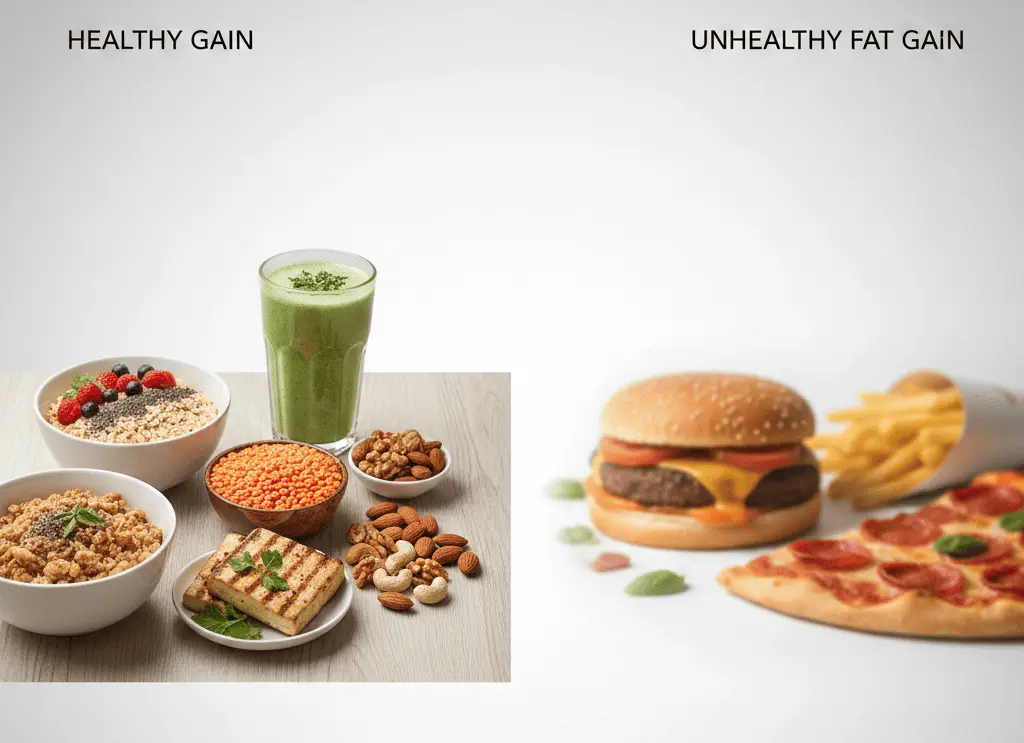
how to gain muscle without fat

What Is Weight Gain? (The Healthy Perspective)

Weight gain means an increase in overall body weight. However, body weight is made up of:

  • Muscle mass
  • Fat mass
  • Water weight

Healthy weight gain prioritizes muscle mass over fat. When weight gain happens through proper nutrition and training, it results in:

  • Improved physical strength
  • Better posture and body shape
  • Faster metabolism
  • Higher energy levels

Healthy weight gain is always planned, gradual, and sustainable.

What Is Fat Gain and Why Should You Avoid It?

Fat gain occurs when excess calories are consumed without proper nutrient balance or physical activity. This typically happens due to:

  • Excess junk food intake
  • High sugar consumption
  • Lack of protein
  • Sedentary lifestyle

Problems Caused by Fat Gain

  • Increase in abdominal and visceral fat
  • Reduced stamina and fatigue
  • Hormonal imbalance
  • Poor insulin sensitivity
  • Increased risk of diabetes and heart disease

This clearly shows why fat gain is not the same as healthy weight gain.

Weight Gain vs Fat Gain: Detailed Comparison

Aspect

Healthy Weight Gain

Fat Gain

Main Focus

Lean muscle gain

Fat storage

Type of Diet

Clean bulking diet

Junk & processed food

Protein Intake

High

Low

Exercise

Strength training

Little to none

Body Appearance

Strong & toned

Soft & flabby

Metabolism

Improved

Slowed

Long-term Health

Positive

Negative

What Is Muscle Gain (Lean Muscle Gain)?

Muscle gain, also known as lean bulking, is the process of increasing muscle size and strength while keeping fat gain minimal. It is the healthiest and most effective form of weight gain.

Lean muscle gain requires:

  • A controlled calorie surplus
  • Sufficient protein for muscle repair
  • Regular strength training
  • Adequate sleep and recovery

Unlike fat gain, muscle gain improves both appearance and health.

Calorie Surplus for Muscle Gain: The Smart Way

A calorie surplus is essential for weight gain, but the quality of calories matters more than quantity.

Wrong Way to Create a Calorie Surplus

  • Fast food and sugary snacks
  • High-calorie drinks with no nutrition
  • No physical activity

👉 Result: Fat gain and poor health

Right Way to Create a Calorie Surplus

  • 300–500 extra calories per day
  • Nutrient-dense foods
  • High protein intake
  • Regular strength training

👉 Result: Healthy weight gain and muscle growth

Macronutrients for Healthy Weight Gain and Muscle Growth

1. Protein for Muscle Gain (Most Critical Nutrient)

Protein plays the most important role in muscle building nutrition. It repairs damaged muscle fibers and helps build new muscle tissue.

Recommended Protein Intake:
1.2–2 grams per kg of body weight

Best Protein Sources (Vegetarian & Vegan):

  • Paneer, milk, curd
  • Tofu, tempeh, soy chunks
  • Lentils, chickpeas, kidney beans
  • Nuts and seeds
  • Plant-based protein supplements

2. Carbohydrates for Energy and Performance

Carbohydrates fuel workouts and prevent muscle breakdown.

Healthy Carb Sources:

  • Rice, oats, quinoa
  • Whole wheat roti and bread
  • Potatoes and sweet potatoes
  • Fruits and vegetables

Carbohydrates are essential in any muscle gain diet.

3. Healthy Fats for Hormonal Balance

Healthy fats provide concentrated calories and support hormone production.

Sources of Healthy Fats:

  • Nuts and nut butters
  • Seeds (chia, flax, pumpkin)
  • Olive oil and coconut oil
  • Avocado
Best Foods for Muscle Gain Without Fat

Some of the best foods for lean muscle gain include:

  • Oats with peanut butter and banana
  • Rice with dal, paneer, or tofu
  • Smoothies with protein powder, fruits, and nuts
  • Whole-grain meals cooked in healthy oils
  • Homemade calorie-dense snacks

These foods support clean bulking instead of unhealthy fat gain.

Importance of Strength Training in Weight Gain

Without exercise, weight gain almost always turns into fat gain. Strength training is essential to convert calories into muscle.

Effective Strength Training Exercises

  • Squats
  • Push-ups
  • Lunges
  • Deadlifts
  • Resistance band workouts

Training 3–5 times per week is sufficient for muscle growth.

Lifestyle Factors That Decide Muscle Gain vs Fat Gain
  1. Sleep and Recovery
  • 7–9 hours of quality sleep daily
  • Muscle growth happens during rest
  1. Stress Management
  • Chronic stress increases cortisol
  • High cortisol promotes fat storage
  1. Consistency
  • Consistent diet and workouts lead to long-term results
Common Weight Gain Mistakes That Cause Fat Gain
  1. Eating junk food to increase calories
  2. Ignoring protein intake
  3. Avoiding strength training
  4. Expecting quick results
  5. Inconsistent diet and exercise routine

Avoiding these mistakes is crucial for healthy weight gain.

How Fast Should You Gain Weight?

Healthy muscle gain is slow and steady:

  • Around 0.5–1 kg per month

Rapid weight gain usually indicates fat gain, not muscle gain.

Who Should Follow a Customized Muscle Gain Plan?
  • Underweight individuals
  • People with thyroid or hormonal imbalance
  • PCOS patients
  • Beginners with no training experience

A personalized plan ensures weight gain without fat.

FAQs – Weight Gain vs Fat Gain

 Weight gain can include muscle, while fat gain only increases body fat.

 Yes, with a clean bulking diet and proper training.

 Yes, protein is essential for muscle growth.

 Yes, with plant-based protein sources and balanced meals.

 No, it mainly leads to fat gain and health problems.

Conclusion: Gain Weight the Right Way

Understanding weight gain vs fat gain is the foundation of a healthy and strong body. Instead of focusing on eating more food, focus on:

  • Balanced nutrition
  • High protein intake
  • Strength training
  • Healthy lifestyle habits

True healthy weight gain is about building muscle, not storing fat.
With the right strategy, you can gain weight naturally, safely, and sustainably.
Weight Gain Meal Plan for Vegetarians & Vegans: Healthy & Effective Ways to Gain Weight Naturally

Weight Gain Meal Plan for Vegetarians & Vegans: Healthy & Effective Ways to Gain Weight Naturally

Gaining weight can be as challenging for vegetarians and vegans as losing weight is for others. Many plant-based eaters struggle to consume enough calories and protein to see healthy weight gain results. This blog will guide you through the best vegetarian and vegan meal plans, calorie-dense foods, and practical tips to gain weight naturally and sustainably.

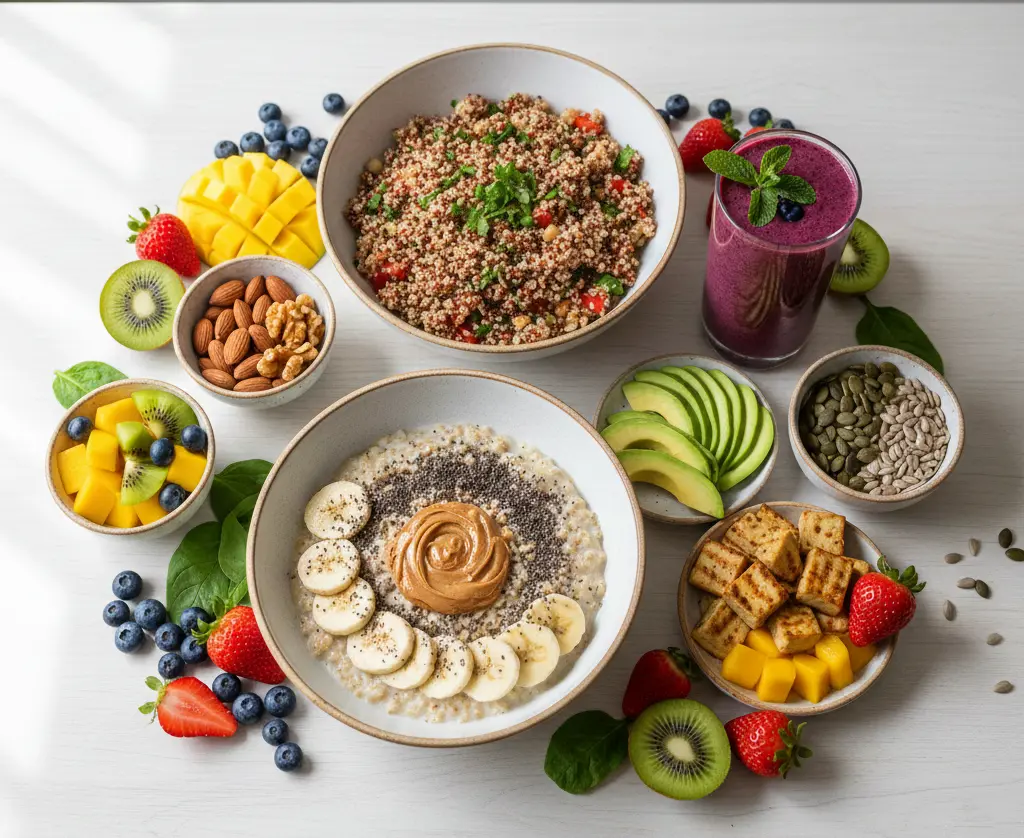
vegan weight gain meal plan
1. Understanding Weight Gain for Vegetarians & Vegans

Before creating a meal plan, it’s important to understand the principles of healthy weight gain.

1.1 Why Weight Gain is Hard for Some People

  • Fast metabolism or ectomorph body type
  • Low appetite
  • Lack of calorie-dense foods in diet
  • Active lifestyle without sufficient caloric intake
 

1.2 Calorie Surplus: The Key to Weight Gain

  • To gain weight, you must consume more calories than you burn.
  • Focus on nutrient-rich, calorie-dense foods, not junk foods.
2. Essential Nutrients for Weight Gain

A well-planned diet must include the following nutrients:

2.1 Protein

  • Supports muscle growth
  • Sources: lentils, chickpeas, tofu, tempeh, seitan, soy milk, quinoa, nuts, seeds

2.2 Healthy Fats

  • High in calories and essential for weight gain
  • Sources: avocados, coconut oil, olive oil, peanut butter, nuts, seeds

2.3 Carbohydrates

  • Main source of energy and calories
  • Sources: rice, oats, whole wheat bread, potatoes, sweet potatoes, pasta, fruits

2.4 Vitamins & Minerals

  • Include green leafy vegetables, fruits, and fortified plant-based milk to maintain overall health
3. Top Calorie-Dense Foods for Weight Gain (Vegetarian & Vegan)

Food Category

Examples

Calories (per 100g)

Benefits

Nuts & Seeds

Almonds, cashews, chia seeds, flaxseeds

500-600

Healthy fats, protein

Nut Butters

Peanut butter, almond butter

588-600

High in calories, protein

Grains & Cereals

Quinoa, oats, brown rice, whole wheat

350-370

Complex carbs for energy

Legumes

Lentils, chickpeas, kidney beans

300-350

Protein and fiber

Plant-based Oils

Olive oil, coconut oil

884

Concentrated calories, healthy fats

Fruits

Banana, mango, avocado

80-160

Natural sugar, healthy calories

Plant Milk

Soy milk, almond milk

50-80

Protein and calories

Tofu & Tempeh

Tofu, tempeh

150-200

High protein, versatile

4. Sample Weight Gain Meal Plan (Vegetarian & Vegan)

Here is a structured 7-day meal plan to help vegetarians and vegans gain healthy weight. Each day provides ~2500–3000 calories depending on portion size.

Day 1

  • Breakfast: Oats with soy milk, chia seeds, peanut butter, banana
  • Mid-morning Snack: Handful of almonds & walnuts
  • Lunch: Brown rice, lentil curry, avocado, steamed vegetables
  • Afternoon Snack: Protein smoothie with soy protein, oats, almond butter
  • Dinner: Whole wheat pasta with tofu, olive oil, vegetables
  • Before Bed: Soy milk with a tablespoon of peanut butter

Day 2

  • Breakfast: Quinoa porridge with almond milk, dried fruits, flaxseeds
  • Snack: Trail mix (nuts, seeds, raisins)
  • Lunch: Chickpea salad with avocado and olive oil dressing
  • Snack: Banana smoothie with peanut butter
  • Dinner: Stir-fried tempeh with brown rice and vegetables

Before Bed: Almond milk with soaked dates

5. Tips for Effective Weight Gain
  1. Eat Frequently: 5–6 meals a day
  2. Add Calorie-Dense Ingredients: Nuts, seeds, oils, nut butters
  3. Strength Training: Helps convert calories into muscle
  4. Avoid Empty Calories: Don’t rely on junk food
  5. Hydration: Drink water but avoid filling up right before meals
6. Common Mistakes to Avoid
  • Skipping meals
  • Eating low-calorie foods only
  • Ignoring protein intake
  • Over-relying on processed snacks
  • Not tracking calories or progress
7. Supplements for Vegetarian & Vegan Weight Gain (Optional)
  • Plant-based protein powders
  • Nutritional yeast
  • Omega-3 supplements (ALA, flaxseed oil)
  • Multivitamins for balanced nutrition

Frequently Asked Questions

 A1. Yes, by consuming protein-rich legumes, dairy, nuts, seeds, and calorie-dense foods.

 A2. About 1.2–2 g per kg of body weight daily.

 A3. Yes, they are calorie-dense and can include protein, healthy fats, and carbs.

 A4. Healthy weight gain is gradual; aim for 0.5–1 kg per week.

 A5. Yes, strength training ensures weight gain is mostly muscle, not fat.

 A6. Absolutely, they are rich in healthy fats and calories.

 A7. 5–6 meals/snacks per day with calorie-dense foods.

Conclusion

Weight gain for vegetarians and vegans is entirely achievable with the right combination of calorie-dense foods, balanced macronutrients, and frequent meals. Focusing on protein, healthy fats, complex carbs, and strength training will help you gain muscle and not fat. Customizing meal plans according to personal preferences and body type can accelerate results.

Why You’re Not Gaining Weight: Hidden Reasons & Proven Solutions 

Why You’re Not Gaining Weight: Hidden Reasons & Proven Solutions

While weight loss is frequently discussed in relation to health, another group of people is silently dealing with the opposite issue: gaining weight in a healthy manner. For many, gaining weight is crucial for strength, immunity, hormonal balance, and mental confidence in addition to being a fitness objective.

This guide is for you if you’re sick of hearing people say things like “just eat more” or “you’re lucky to be thin,” and you’re actually trying to lose weight but still not succeeding.

weight gain diet plan
Why Do Some People Struggle to Gain Weight?

Being underweight often comes with challenges that aren’t visible at first glance:

  • Lower self-esteem
  • Social pressure or body shaming
  • Weak immunity
  • Frequent tiredness or weakness
  • Hair fall and dull skin
  • Low muscle mass
  • Irregular periods in females
  • Slow injury recovery
  • Nutrient deficiencies

Just like obesity, being underweight is a health condition and deserves equal support and structured planning.

Understanding Healthy Weight Gain

Gaining weight is not about eating junk food or consuming fried snacks all day. There’s a healthy way to gain weight that focuses on:

  • Building lean muscle tissue
  • Improving metabolism
  • Strengthening digestion
  • Boosting hormonal health
  • Increasing strength and stamina

A balanced weight gain diet plan focuses on nutritious, calorie-dense meals instead of empty calories.

Ideal healthy gain:
0.5 kg to 1 kg per week

Slow and steady wins, otherwise you gain fat instead of muscle.

Hidden Reasons You’re Not Gaining Weight

1. Fast Metabolism

Some bodies burn calories faster even at rest. This makes weight gain challenging.

What to do

  • Increase daily calorie intake by 300–600 calories
  • Choose calorie-dense foods: nuts, seeds, paneer, peanut butter
  • Add smoothies & shakes

2. Poor Appetite

Not feeling hungry enough? That’s a big barrier.

Solutions for low appetite

  • Eat small frequent meals
  • Sip calorie-rich drinks (milk, shakes)
  • Light walk before meals
  • Add digestion-boosters: ginger, jeera, lemon water

3. Insufficient Protein

Protein builds muscle. Most underweight people don’t consume enough.

Daily protein goal:
1.2–1.8 g/kg body weight

Example: 60 kg person needs 72–108g protein daily

Best sources: paneer, curd, eggs, milk, tofu, chicken, dals, whey protein.

4. Poor Digestion & Gut Issues

You might be eating plenty, but absorbing very little.

Symptoms:

  • Bloating
  • Gas
  • Diarrhea
  • Constipation
  • Low appetite

Solutions

  • Probiotics: curd, buttermilk
  • Ginger, fennel seeds
  • Jeera water
  • Reduce excessive tea/coffee

5. Thyroid & Hormonal Imbalance

Hyperthyroidism and female hormonal imbalance affect weight.

If you’re losing weight unexpectedly, test for:

  • Thyroid
  • Vitamin D
  • B12
  • Iron

6. Stress & Anxiety

Stress increases cortisol, which reduces appetite and burns muscle mass.

Fix stress daily:
Yoga, journaling, meditation, deep breathing, sunlight exposure.

7. Over-Exercising or No Exercise

Cardio burns calories; strength training builds muscle.

Best workout routine:
3–5 weight training sessions per week
Avoid excessive running or HIIT

8. Skipping Sleep

Muscles grow during sleep.

Sleep target: 7–9 hours

Best Weight Gain Foods

To follow the best diet for weight gain naturally, include calorie-dense nutrient-rich foods:

Category

Foods

Healthy fats

Ghee, nuts, seeds, avocado, coconut

Dairy

Milk, paneer, curd, cheese

Carbs

Oats, bananas, rice, potatoes, sweet potatoes

Protein

Eggs, chicken, fish, soy, dal, chickpeas

Extras

Peanut butter, dates, raisins, honey, smoothies

These foods fit every plan whether weight gain for males or weight gain for females.

Weight Gain Diet Plan (Indian Friendly)

Sample Daily Plan

Time

Food

Morning

Soaked almonds + honey milk

Breakfast

Paneer paratha + curd or oats-banana-PB shake

Snack

Dry fruits + dates

Lunch

Rice + dal + ghee + sabzi + paneer/chicken + curd

Evening

Peanut butter toast + fruit smoothie

Dinner

Roti + potatoes + paneer/chicken + salad

Before Bed

Milk with turmeric & jaggery or whey shake

This is a realistic weight gain meal plan you can use daily.

Weight Gain Tips for Faster Results

  • Eat every 3 hours
  • Add healthy oils/ghee to food
  • Drink calories (milk, shakes)
  • Strength train consistently
  • Avoid drinking water right before meals
  • Track weekly progress
  • Sleep like you mean it

These natural weight gain methods help you gain sustainably.

Weight Gain for Females vs Males

Women often struggle due to:

  • Lower appetite
  • Iron or B12 deficiency
  • Hormonal imbalance
  • Stress and fatigue

Men often struggle due to:

  • High metabolism
  • Poor eating schedule
  • High physical activity

Solution: both need structured calories + protein + training.

Healthy Shakes for Weight Gain
  • Peanut butter banana shake
  • Oats, almond, honey smoothie
  • Mango milkshake (seasonal)
  • Dates milk smoothie
  • Avocado yogurt shake
Avoid These Mistakes
  • Eating junk foods
  • Relying on mass gain powders blindly
  • Skipping meals
  • No strength training
  • Irregular sleep
Frequently Asked Questions

Maybe you have fast metabolism, low protein intake, gut issues, or stress affecting appetite.

Milk, paneer, eggs, nuts, peanut butter, banana, potatoes, oats, ghee, rice.

Healthy gain takes 6–12 weeks with a proper plan.

Eat calorie-dense foods, protein shakes, do strength training, sleep well, avoid stress.

Yes, but gym accelerates muscle gain. At least do resistance training home workouts.

Conclusion

Gaining weight is a journey of nourishment, not stuffing yourself. Focus on:

  • Quality calories
  • Protein
  • Strength training
  • Digestion
  • Sleep
  • Consistency

Whether its weight gain for females, weight gain for males, or a clean fast weight gain diet, the key is consistency, right food, and lifestyle balance.

You deserve to feel strong, confident, and energized. Start today with a sustainable weight gain meal plan and use these weight gain tips to transform your body naturally.

How to Gain Weight Naturally: Effective Tips, Diet Plan, and Lifestyle Changes

How to Gain Weight Naturally: Effective Tips, Diet Plan, and Lifestyle Changes

For many people, gaining weight can be just as difficult as losing it. Although weight loss is frequently emphasized by society, healthy weight gain is just as significant, particularly for underweight people. Knowing the proper strategy is essential whether you have a high metabolism, are recuperating from an illness, or just wish to gain lean muscle mass.

At Fitly Diet Clinic, we provide individualized diet plans, professional advice, and lifestyle changes to help people safely gain weight. This guide will offer you tried-and-true methods, diets, and workouts to help you put on weight naturally.

diet plan for weight gain

The Importance of Healthy Weight Gain

Being underweight can affect your general health in addition to appearance. Underweight individuals are susceptible to:

  • Deficiencies in certain nutrients
  • Low energy and fatigue; 
  • Hormonal imbalances; 
  • Weakened immunity

Gaining weight in a healthy way guarantees that the excess weight is made up of lean muscle rather than bad fat. It increases general well-being, strength, and confidence.

Understanding Healthy Weight Gain

Some common questions people search for include:

We will address all of these in this guide.

How to Naturally Put on Weight

1. Gradually Increase Your Calorie Intake

A caloric surplus, or eating more calories than your body expels, is necessary for weight gain. For long-term weight gain, a gradual increase of 300–500 calories per day is best.

Prioritize nutrient-dense foods like:

  • Whole grains (quinoa, brown rice, and oats); 
  • Nuts and seeds (almonds, walnuts, and sunflower seeds)
  • Healthy oils (olive, coconut, and avocado oils).
  • Dairy goods, such as cheese, yogurt, and milk

Relying too much on junk food can lead to weight gain rather than the development of lean muscle.

2. Consume foods high in protein.

For muscles to grow and repair, protein is necessary. Include the following for a healthy weight gain: 

  •  Eggs and egg whites
  •  Lean meats, poultry, and turkey; 
  •  Fish, such as salmon or tuna
  •  Legumes, paneer, and tofu
  •  If necessary, protein shakes

For people attempting to gain muscle, a protein intake of 1.5–2 grams per kilogram of body weight is advised.

3. Incorporate Nutritious Fats

In addition to being high in calories, fats supply vital fatty acids for hormone regulation and energy production. 

  • Avocado,
  • olive oil, 
  • coconut oil,
  • peanut butter,and other nut butters 
  • are good sources of fat, as are fatty fish like salmon and mackerel.

Advice: For an additional calorie boost, add 1-2 tablespoons of nut butter or olive oil to meals or smoothies.

4. Eat Often

Aim for five to six smaller meals per day rather than three large ones. You can consume more calories without feeling overly full when you eat frequently.

Ideas for high-calorie snacks:

  • Trail mix containing dried fruits, nuts, and seeds
  • Milk, banana, peanut butter, and protein powder smoothies
  • Greek yogurt topped with granola and honey
  • Whole-grain crackers with cheese or cottage cheese

5. Strength Training to Build Muscle

Resistance training guarantees that the weight you gain is muscle rather than fat, even though eating more calories is still important. Concentrate on compound exercises that target several muscles at once:

  • Lunges and squats
  • deadlifts
  • bench presses 
  • push-ups and pull-ups

Advice: For optimal effects, train three to four times a week and gradually increase the weights.

6. Drink plenty of water and get enough sleep.

Sleep promotes muscle recovery, and water helps with digestion and nutrient absorption. Try to get 

  • 7–8 hours of sleep every night 
  • consume 2-3 liters of water each day.
Sample 1-Week Weight Gain Diet Plan

Meal

Food Options

Notes

Breakfast

Oatmeal with milk, banana, almonds, honey

High-calorie and nutrient-dense

Mid-Morning Snack

Peanut butter sandwich or smoothie

Easy calorie addition

Lunch

Brown rice, chicken/paneer, mixed vegetables

Balanced carbs + protein

Evening Snack

Greek yogurt with granola, seeds

Protein and healthy fats

Dinner

Whole wheat chapati, lentils/fish, vegetables

Fiber + protein

Bedtime Snack

Milk with almonds or cottage cheese

Supports overnight muscle recovery

Tip: Adjust portions according to calorie requirements.

Lifestyle Practices to Promote Weight Gain:
  • Prefer strength training over excessive cardio;
  • Avoid missing meals; 
  • consistency is essential; 
  • Monitor your weight gain progress every week;
  • Use relaxation methods, yoga, or meditation to reduce stress.
Foods That Help You Put on Weight Quickly

Among the greatest foods for quick, healthful weight gain are:

  1. Nuts and Nut Butters: Rich in calories and protein
  2. Whole Grains: Whole wheat bread, quinoa, brown rice, and oats
  3. Dairy Products: Paneer, yogurt, cheese, and milk
  4. Lean Fish & Meat: Salmon, Turkey, and Chicken
  5. Nutritious Fats & Oils: Avocado, coconut, and olive
  6. Legumes and Beans: kidney beans, chickpeas, and lentils

Strength training combined with these foods guarantees muscle growth rather than fat storage.

 Visit Healthline’s weight gain guide for a more thorough look at foods that will help you gain weight naturally. ✅

Frequently Asked Quetions About Healthy Weight Gain

 A: Eat calorie-dense, nutrient-rich foods, focus on protein and healthy fats, and do strength training.

 A: Healthy weight gain is around 0.5–1 kg per week, so 5 kg may take 5–10 weeks.

 A: Yes, by eating frequent meals, increasing calories, and focusing on resistance training.

 A: Nuts, seeds, dairy, whole grains, lean meat, starchy vegetables, and protein shakes.

A: Yes, healthy weight gain is safe if done gradually with balanced diet and exercise.

Important Takeaways

  • Strength training, a diet high in protein, and excess calories can all help you gain weight in a healthy way.
  • You can meet your daily calorie needs by eating nutrient-dense snacks, healthy fats, and frequent meals.
  • Monitor your progress, drink plenty of water, and get enough rest.

Steer clear of junk food and give lean muscle growth top priority.

We at Fitly Diet Clinic provide individualized weight-gain plans based on your requirements. Our knowledgeable dieticians develop personalized diet plans, exercise advice, and lifestyle suggestions to assist you in naturally achieving your ideal weight.