
How to Control Blood Sugar with Low GI Foods
Managing blood sugar is one of the biggest challenges for people with diabetes, prediabetes, PCOD, or insulin resistance. One of the most effective tools for blood sugar control is the Glycemic Index (GI). Low GI foods release glucose slowly, prevent spikes in blood sugar, and improve insulin sensitivity.
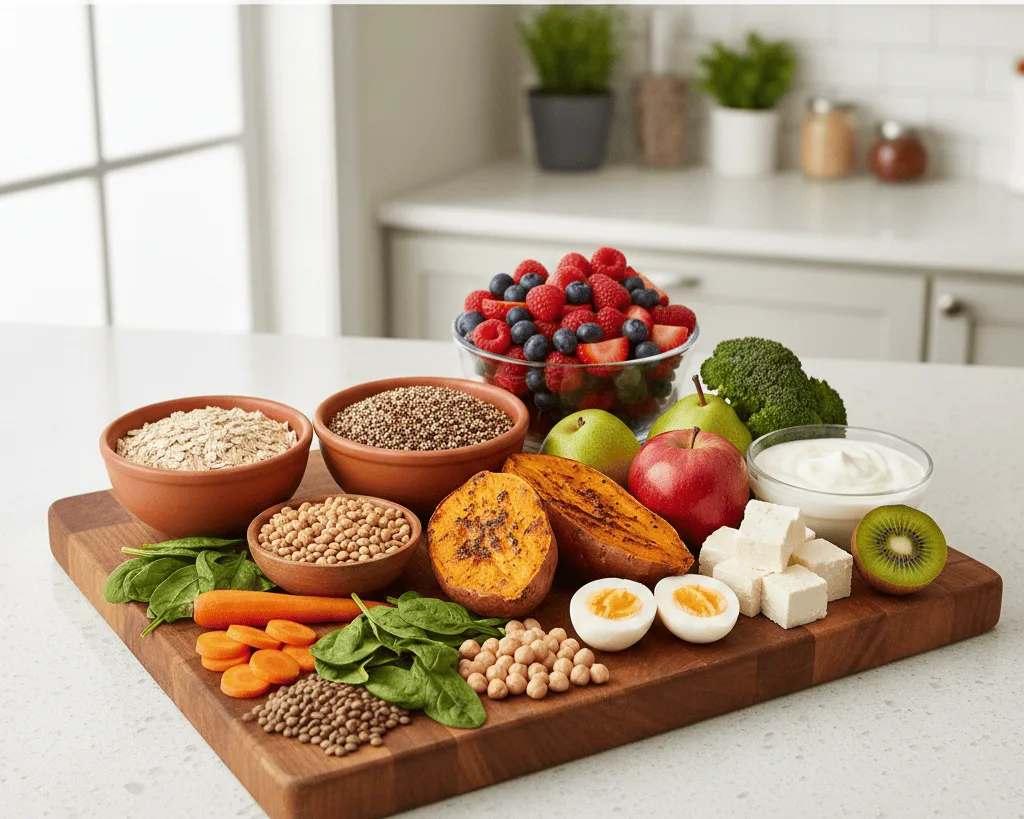
Understanding the Glycemic Index (GI)
What is the Glycemic Index?
The Glycemic Index (GI) is a numerical scale (0–100) that measures how quickly a carbohydrate-containing food raises blood glucose levels after consumption.
- Low GI (≤55): Slowly digested and absorbed → gradual rise in blood sugar
- Medium GI (56–69): Moderate effect on blood sugar
- High GI (≥70): Rapid digestion → rapid spike in blood sugar
The lower the GI, the more stable your blood sugar will remain after eating.
Why Low GI Foods Are Important
- Prevent Blood Sugar Spikes: Slow glucose release reduces hyperglycemia episodes.
- Enhance Insulin Sensitivity: Stable glucose levels prevent insulin overproduction.
- Promote Satiety: Keeps you full longer, reducing unhealthy snacking.
- Support Weight Management: Helps in controlling visceral fat and preventing obesity.
- Reduce Long-Term Complications: Heart disease, nerve damage, and kidney issues risk are minimized.
Table 1: Glycemic Index Classification
GI Range | Classification | Example Foods |
0–55 | Low GI | Oats, quinoa, barley, lentils, apples |
56–69 | Medium GI | Brown rice, whole wheat bread, pineapple |
70+ | High GI | White rice, white bread, cornflakes, watermelon |
How Blood Sugar Works & Role of GI
When we eat carbohydrate-containing foods, the body converts them into glucose, which enters the bloodstream. Insulin, a hormone produced by the pancreas, is released to allow cells to absorb glucose for energy.
In diabetes and insulin resistance:
- The body’s cells do not respond effectively to insulin → glucose remains in the blood → hyperglycemia
- High GI foods cause rapid spikes in blood sugar → excessive insulin production → fat storage and weight gain
Low GI approach:
- Foods release glucose slowly → prevent rapid blood sugar spikes
- Reduce insulin demand → improves metabolic efficiency
- Supports weight loss, energy balance, and long-term health
Table 2: Blood Sugar Response – Low GI vs High GI Foods
Food | Blood Sugar Response | Insulin Response |
White bread | Rapid spike | High insulin surge |
Oats | Gradual rise | Moderate insulin response |
Sweet potato | Slow rise | Low insulin demand |
Lentils | Minimal rise | Stable insulin response |
Top Low GI Foods for Blood Sugar Control
A low GI diet should include a variety of nutrient-rich foods that stabilize glucose, support metabolism, and promote hormone balance.
- Whole Grains
Food | GI Value | Benefits |
Oats | 55 | Slowly releases glucose, promotes satiety |
Quinoa | 53 | High protein and fiber, stabilizes blood sugar |
Barley | 25 | Reduces cholesterol, lowers insulin spikes |
Brown rice | 50–55 | Provides steady energy and fiber |
- Legumes & Pulses
Food | GI Value | Benefits |
Lentils | 30 | Protein-rich, slow glucose release |
Chickpeas | 28 | Controls appetite, stabilizes blood sugar |
Kidney beans | 24 | High fiber, promotes satiety |
Black beans | 30 | Balanced carbs, reduces sugar spikes |
- Low GI Fruits
Fruit | GI Value | Notes |
Apple | 38 | Fiber-rich, supports satiety |
Pear | 38 | Prevents rapid glucose spikes |
Berries | 40–45 | Low sugar, high antioxidants |
Kiwi | 52 | Vitamin C, fiber, antioxidants |
Orange | 43 | Natural sweetness, vitamin-rich |
- Vegetables
Vegetable | GI Value | Benefits |
Broccoli | 10 | Antioxidant-rich, stabilizes blood sugar |
Spinach | 15 | Low-carb, nutrient-dense |
Carrots | 39 | Slow glucose absorption |
Sweet potato | 44 | Complex carbs, low GI |
- Protein Sources & Dairy
Food | GI Value | Benefits |
Greek yogurt | 36 | Probiotics, protein-rich |
Paneer | 27 | Low-carb, stabilizes meal GI |
Eggs | 0 | No carbs, supports satiety |
Chicken / Fish | 0 | Protein source, no sugar spike |
Foods to Avoid for Blood Sugar Control
Food Category | Reason |
White rice / White bread | High GI → rapid glucose spike |
Pastries / Cakes / Cookies | Refined carbs, low fiber |
Sugary drinks / Sodas | Immediate insulin surge, fat storage |
Instant cereals / Cornflakes | High GI, low nutrient density |
Fried snacks / Potato chips | High GI + unhealthy fats → insulin spike |
Tip: Replace high GI foods with whole grains, legumes, and fiber-rich fruits/vegetables.
Low GI Meal Planning
Eating low GI foods consistently throughout the day is critical for blood sugar management.
Sample 7-Day Low GI Meal Plan
Meal | Example |
Breakfast | Oats porridge with chia seeds, almonds, and blueberries |
Mid-Morning | Handful of walnuts + green tea |
Lunch | Quinoa salad with chickpeas, spinach, cucumber, and olive oil |
Afternoon Snack | Greek yogurt with apple slices |
Dinner | Lentil soup with steamed vegetables and paneer |
Tips:
- Combine protein + fiber + healthy fats in every meal
- Avoid skipping meals to prevent glucose spikes
- Drink at least 2–3 liters of water daily
Lifestyle Tips to Support Blood Sugar Control
- Exercise Regularly: Walking, yoga, and strength training improve insulin sensitivity
- Sleep Well: 7–8 hours nightly; poor sleep raises blood sugar
- Stress Management: Meditation, breathing exercises → reduce cortisol → prevent glucose spikes
- Meal Timing: Eat small, frequent meals to avoid sudden sugar surges
Benefits of Low GI Diet Beyond Blood Sugar
- Weight Management: Slow glucose release reduces fat storage
- Heart Health: Low GI foods lower LDL cholesterol and triglycerides
- Energy Balance: Provides steady energy without crashes
- Hormone Regulation: Reduces insulin and androgen imbalances (beneficial for PCOD)
Long-Term Diabetes Prevention: Supports prediabetes reversal
FAQs About Low GI Foods and Blood Sugar
Low GI foods help control blood sugar, improve insulin sensitivity, and support long-term management but cannot fully reverse diabetes alone.
Yes, but choose low-sugar, low GI fruits like apples, berries, kiwi, and pear.
Yes, but prefer brown rice, barley, or quinoa instead of white rice.
Every meal should focus on low GI foods, combined with protein and healthy fats.
Yes, they are a low GI carb that provides complex carbs and fiber.
Yes, they reduce insulin spikes, increase satiety, and support fat burning.
Yes, it is a low GI whole grain that slowly releases glucose.