Weight Gain vs Fat Gain: How to Gain Muscle the Right Way
Understanding the Real Meaning of Weight Gain
Weight gain is one of the most misunderstood health goals. Many people believe that eating more food automatically leads to healthy weight gain. In reality, this approach often results in fat gain instead of muscle gain, leading to poor body composition and long-term health issues.
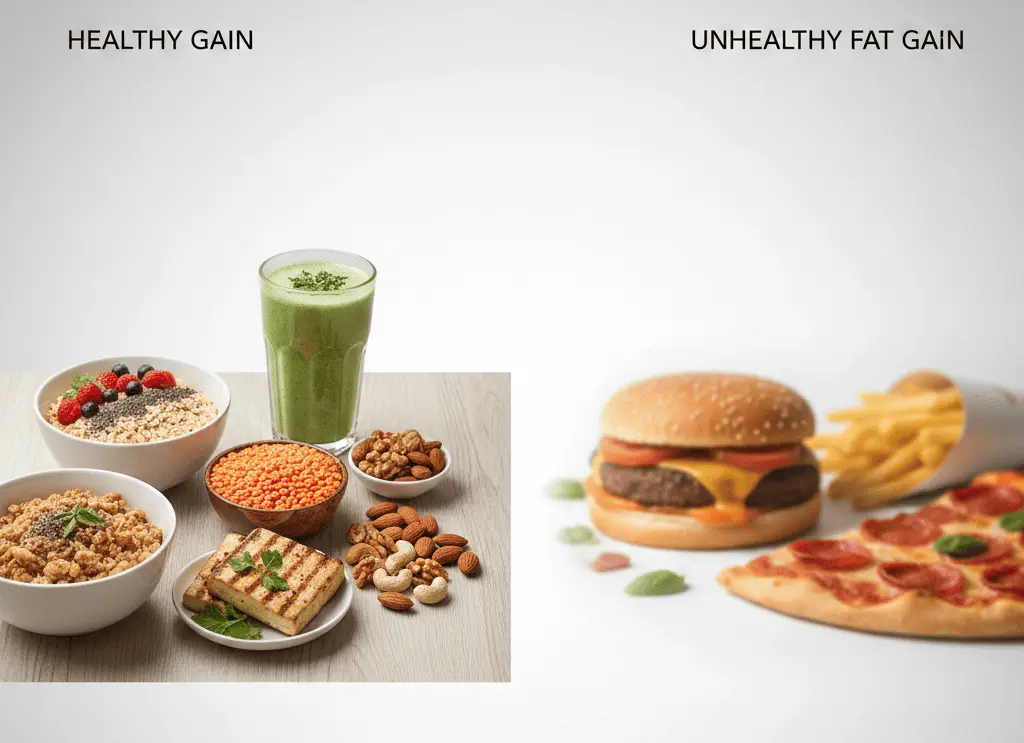
This is why understanding weight gain vs fat gain is crucial. Healthy weight gain focuses on increasing lean muscle mass, improving strength, and maintaining overall metabolic health. Fat gain, on the other hand, leads to unwanted belly fat, low energy, and a higher risk of lifestyle diseases.
If your goal is to gain weight the right way, look stronger, and feel healthier, then learning how to gain muscle without fat is essential.
What Is Weight Gain? (The Healthy Perspective)
Weight gain means an increase in overall body weight. However, body weight is made up of:
- Muscle mass
- Fat mass
- Water weight
Healthy weight gain prioritizes muscle mass over fat. When weight gain happens through proper nutrition and training, it results in:
- Improved physical strength
- Better posture and body shape
- Faster metabolism
- Higher energy levels
Healthy weight gain is always planned, gradual, and sustainable.
What Is Fat Gain and Why Should You Avoid It?
Fat gain occurs when excess calories are consumed without proper nutrient balance or physical activity. This typically happens due to:
- Excess junk food intake
- High sugar consumption
- Lack of protein
- Sedentary lifestyle
Problems Caused by Fat Gain
- Increase in abdominal and visceral fat
- Reduced stamina and fatigue
- Hormonal imbalance
- Poor insulin sensitivity
- Increased risk of diabetes and heart disease
This clearly shows why fat gain is not the same as healthy weight gain.
Weight Gain vs Fat Gain: Detailed Comparison
Aspect | Healthy Weight Gain | Fat Gain |
Main Focus | Lean muscle gain | Fat storage |
Type of Diet | Clean bulking diet | Junk & processed food |
Protein Intake | High | Low |
Exercise | Strength training | Little to none |
Body Appearance | Strong & toned | Soft & flabby |
Metabolism | Improved | Slowed |
Long-term Health | Positive | Negative |
What Is Muscle Gain (Lean Muscle Gain)?
Muscle gain, also known as lean bulking, is the process of increasing muscle size and strength while keeping fat gain minimal. It is the healthiest and most effective form of weight gain.
Lean muscle gain requires:
- A controlled calorie surplus
- Sufficient protein for muscle repair
- Regular strength training
- Adequate sleep and recovery
Unlike fat gain, muscle gain improves both appearance and health.
Calorie Surplus for Muscle Gain: The Smart Way
A calorie surplus is essential for weight gain, but the quality of calories matters more than quantity.
Wrong Way to Create a Calorie Surplus
- Fast food and sugary snacks
- High-calorie drinks with no nutrition
- No physical activity
👉 Result: Fat gain and poor health
Right Way to Create a Calorie Surplus
- 300–500 extra calories per day
- Nutrient-dense foods
- High protein intake
- Regular strength training
👉 Result: Healthy weight gain and muscle growth
Macronutrients for Healthy Weight Gain and Muscle Growth
1. Protein for Muscle Gain (Most Critical Nutrient)
Protein plays the most important role in muscle building nutrition. It repairs damaged muscle fibers and helps build new muscle tissue.
Recommended Protein Intake:
1.2–2 grams per kg of body weight
Best Protein Sources (Vegetarian & Vegan):
- Paneer, milk, curd
- Tofu, tempeh, soy chunks
- Lentils, chickpeas, kidney beans
- Nuts and seeds
- Plant-based protein supplements
2. Carbohydrates for Energy and Performance
Carbohydrates fuel workouts and prevent muscle breakdown.
Healthy Carb Sources:
- Rice, oats, quinoa
- Whole wheat roti and bread
- Potatoes and sweet potatoes
- Fruits and vegetables
Carbohydrates are essential in any muscle gain diet.
3. Healthy Fats for Hormonal Balance
Healthy fats provide concentrated calories and support hormone production.
Sources of Healthy Fats:
- Nuts and nut butters
- Seeds (chia, flax, pumpkin)
- Olive oil and coconut oil
- Avocado
Best Foods for Muscle Gain Without Fat
Some of the best foods for lean muscle gain include:
- Oats with peanut butter and banana
- Rice with dal, paneer, or tofu
- Smoothies with protein powder, fruits, and nuts
- Whole-grain meals cooked in healthy oils
- Homemade calorie-dense snacks
These foods support clean bulking instead of unhealthy fat gain.
Importance of Strength Training in Weight Gain
Without exercise, weight gain almost always turns into fat gain. Strength training is essential to convert calories into muscle.
Effective Strength Training Exercises
- Squats
- Push-ups
- Lunges
- Deadlifts
- Resistance band workouts
Training 3–5 times per week is sufficient for muscle growth.
Lifestyle Factors That Decide Muscle Gain vs Fat Gain
- Sleep and Recovery
- 7–9 hours of quality sleep daily
- Muscle growth happens during rest
- Stress Management
- Chronic stress increases cortisol
- High cortisol promotes fat storage
- Consistency
- Consistent diet and workouts lead to long-term results
Common Weight Gain Mistakes That Cause Fat Gain
- Eating junk food to increase calories
- Ignoring protein intake
- Avoiding strength training
- Expecting quick results
- Inconsistent diet and exercise routine
Avoiding these mistakes is crucial for healthy weight gain.
How Fast Should You Gain Weight?
Healthy muscle gain is slow and steady:
- Around 0.5–1 kg per month
Rapid weight gain usually indicates fat gain, not muscle gain.
Who Should Follow a Customized Muscle Gain Plan?
- Underweight individuals
- People with thyroid or hormonal imbalance
- PCOS patients
- Beginners with no training experience
A personalized plan ensures weight gain without fat.
FAQs – Weight Gain vs Fat Gain
Weight gain can include muscle, while fat gain only increases body fat.
Yes, with a clean bulking diet and proper training.
Yes, protein is essential for muscle growth.
Yes, with plant-based protein sources and balanced meals.
No, it mainly leads to fat gain and health problems.
Conclusion: Gain Weight the Right Way
Understanding weight gain vs fat gain is the foundation of a healthy and strong body. Instead of focusing on eating more food, focus on:
- Balanced nutrition
- High protein intake
- Strength training
- Healthy lifestyle habits
True healthy weight gain is about building muscle, not storing fat.
With the right strategy, you can gain weight naturally, safely, and sustainably.