Month: December 2025

Best Foods for PCOD Weight Loss and Hormone Control

Best Foods for PCOD Weight Loss and Hormone Control

Polycystic Ovarian Disease (PCOD) is a widespread hormonal disorder affecting millions of women worldwide. Common symptoms include weight gain, irregular periods, acne, excessive hair growth, hair thinning, mood swings, and sugar cravings, making PCOD one of the most challenging conditions to manage naturally.

Weight management is often difficult in PCOD due to insulin resistance, high androgen levels, slow metabolism, and hormonal imbalances. This makes diet, exercise, and lifestyle modifications critical for hormone balance, weight control, and long-term health.

A carefully designed PCOD diet focuses on:

  • Balancing insulin and blood sugar levels
  • Reducing inflammation
  • Supporting lean muscle growth
  • Promoting healthy weight loss without compromising hormones

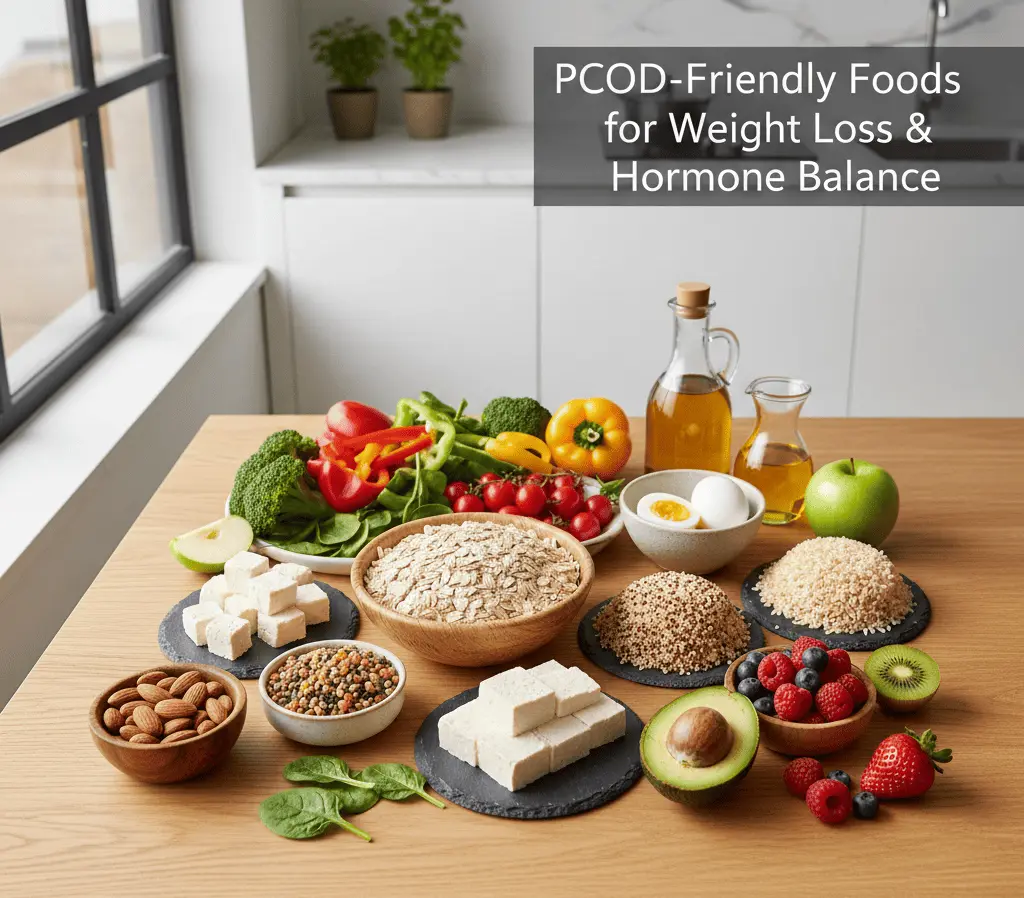
In this detailed guide, we’ll explore the best foods for PCOD weight loss and hormone control, including tables, meal plans, lifestyle tips, and FAQs, so you can take control of your health naturally.
pcod diet plan in ludhiana

Understanding PCOD and Hormonal Imbalance

What is PCOD?

PCOD is a hormonal disorder in which the ovaries produce excess male hormones (androgens), causing irregular ovulation and various metabolic issues.

Symptoms of PCOD

Symptom

Cause / Hormonal Link

Irregular periods

High androgens, ovulation issues

Weight gain

Insulin resistance, slow metabolism

Belly fat

Cortisol & androgen imbalance

Acne & oily skin

Excess androgens

Excess hair growth

Androgen imbalance

Hair thinning

Hormonal imbalance

Mood swings & fatigue

Insulin resistance + hormone fluctuation

Hormones Affected

Hormone

Role in PCOD

Insulin

Resistance leads to fat storage and sugar cravings

Androgens

Hair growth, acne, irregular cycles

Estrogen

Low or imbalanced levels disrupt menstruation

Progesterone

Low levels affect ovulation

Insight: Insulin resistance is the most common culprit for weight gain in PCOD. Controlling insulin via diet is key to managing symptoms naturally.

Why Weight Loss is Difficult in PCOD

  1. Insulin Resistance: Cells don’t respond properly, causing fat storage.
  2. Hormonal Imbalance: High androgen levels lead to belly fat accumulation.
  3. Slow Metabolism: Chronic inflammation reduces calorie burning efficiency.
  4. Cravings & Appetite Fluctuations: Insulin spikes trigger sugar cravings.

Role of Diet in PCOD

Diet plays a central role in managing PCOD. The right foods can balance hormones, control insulin, reduce inflammation, and support weight loss.

Macronutrients and Their Role

Nutrient

Role in PCOD

Sources

Protein

Builds muscle, controls cravings, supports insulin balance

Paneer, tofu, lentils, eggs, fish

Carbs

Energy; focus on low GI for blood sugar control

Oats, quinoa, brown rice, millets

Fats

Hormone production, anti-inflammatory

Olive oil, nuts, seeds, avocado

Fiber

Slows digestion, reduces insulin spikes

Vegetables, fruits, whole grains

Common PCOD Diet Mistakes

Mistake

Effect

Crash dieting

Slows metabolism, increases cravings

High sugar intake

Insulin spikes, weight gain

Low protein intake

Muscle loss, slower metabolism

Avoiding all carbs

Hormone imbalance, low energy

Processed food overconsumption

Inflammation & fat accumulation

PCOD Diet Principles

  • Eat low-GI carbs paired with protein and fiber.
  • Include healthy fats in every meal.
  • Consume anti-inflammatory foods like turmeric, ginger, and leafy greens.
  • Avoid refined sugars and processed foods.
  • Maintain consistent meal timings to stabilize insulin.
High-Fiber Foods

Fiber is essential for blood sugar control, weight management, and hormone balance.

High-Fiber Foods Table

Category

Foods

Benefits

Whole grains

Oats, brown rice, quinoa

Slows digestion, controls insulin

Seeds

Chia seeds, flaxseeds

Omega-3, anti-inflammatory

Vegetables

Broccoli, spinach, carrots

High fiber, nutrient-dense

Fruits

Apple, pear, berries

Low GI, antioxidant-rich

Legumes

Lentils, chickpeas, kidney beans

Satiety, protein + fiber

Tip: Include fiber in every meal to prevent insulin spikes and reduce cravinngs.

Protein-Rich Foods

Protein helps build lean muscle, control hunger, and regulate hormones.

Protein Sources Table

Vegetarian

Non-Vegetarian

Portion Recommendation

Paneer (low-fat)

Eggs

100–150g per meal

Tofu

Fish (salmon, sardines)

100–150g per meal

Lentils & dals

Chicken (lean)

100g cooked

Greek yogurt

150–200g

Soybeans

50–75g

Low GI Carbs

Low-GI carbs digest slowly, stabilizing blood sugar and preventing fat gain.

Low GI

High GI (Avoid)

Sweet potato

White potato

Millets (ragi, jowar, bajra)

White rice

Brown rice

Maida / refined flour

Whole wheat roti

White bread

Oats

Sugary cereals

Healthy Fats

Fats are essential for hormone production and reducing inflammation.

Food

Benefits

Almonds

Hormone balance, satiety

Walnuts

Omega-3, reduces inflammation

Olive oil

Anti-inflammatory, heart health

Avocado

Insulin sensitivity

Coconut (moderate)

Energy support

Anti-Inflammatory Foods

PCOD is linked with chronic inflammation, which worsens insulin resistance.

Food

PCOD Benefit

Turmeric

Hormone balance, anti-inflammatory

Ginger

Digestive support

Garlic

Insulin regulation

Green tea

Fat burning, antioxidant-rich

Leafy greens

Detox support

Fruits for PCOD

Choose low-sugar fruits to avoid insulin spikes.

Recommended

Limit

Apple

Banana

Berries

Mango

Kiwi

Grapes

Guava

Chikoo

Papaya (moderate)

Pineapple

Gut-Healthy Foods

A healthy gut improves hormone balance and insulin sensitivity.

Food

Benefits

Curd / Yogurt

Probiotics, gut flora support

Buttermilk

Digestion

Fermented foods

Gut microbiome health

Fiber-rich vegetables

Satiety, detox support

Meal Planning

Sample PCOD-Friendly Meal Plan

Meal

Example

Breakfast

Oats with chia seeds, berries, Greek yogurt

Mid-Morning

Handful of nuts + green tea

Lunch

Brown rice / millet roti + dal + vegetable curry + curd

Afternoon Snack

Roasted chickpeas / fruit

Dinner

Tofu / paneer / fish + sautéed vegetables + salad

Lifestyle & Exercise
  • Exercise improves insulin sensitivity and supports weight loss
  • Recommended: Cardio, strength training, yoga
  • Stress management is crucial (meditation, deep breathing)
  • Sleep 7–8 hours/day to regulate hormones
Supplements & Herbal Support

Supplement / Herb

Benefits

Notes

Inositol

Improves insulin sensitivity

Consult doctor for dosage

Omega-3

Reduces inflammation

Fish oil or flaxseed oil

Vitamin D

Hormone regulation

Blood level check recommended

Cinnamon

Controls blood sugar

Add to breakfast or tea

Fenugreek

Insulin regulation

Can be soaked or powdered

Common PCOD Myths

Myth

Truth

Crash diet cures PCOD

Crash diets slow metabolism and worsen hormones

Fruits should be avoided

Low-sugar fruits are beneficial

Exercise alone can reverse PCOD

Diet + exercise + lifestyle changes needed

Only medication works

Diet and lifestyle interventions have proven benefits

Frequently Asked Questions

 High-fiber, protein-rich foods, low-GI carbs, and healthy fats.

 Yes, with consistent diet and lifestyle changes.

 Yes, focus on low-sugar fruits like berries, apple, and guava.

 Diet significantly helps, but lifestyle support is essential.

 Visible results usually appear in 8–12 weeks with consistent effort.

Conclusion

Managing PCOD requires a holistic approach:

  • Eat high-fiber, protein-rich, low-GI carbs, and healthy fats
  • Avoid processed foods and sugar
  • Maintain consistent meal timings
  • Exercise regularly
  • Manage stress and sleep well


Weight Gain vs Fat Gain: How to Gain Muscle the Right Way

Weight Gain vs Fat Gain: How to Gain Muscle the Right Way

Understanding the Real Meaning of Weight Gain

Weight gain is one of the most misunderstood health goals. Many people believe that eating more food automatically leads to healthy weight gain. In reality, this approach often results in fat gain instead of muscle gain, leading to poor body composition and long-term health issues.

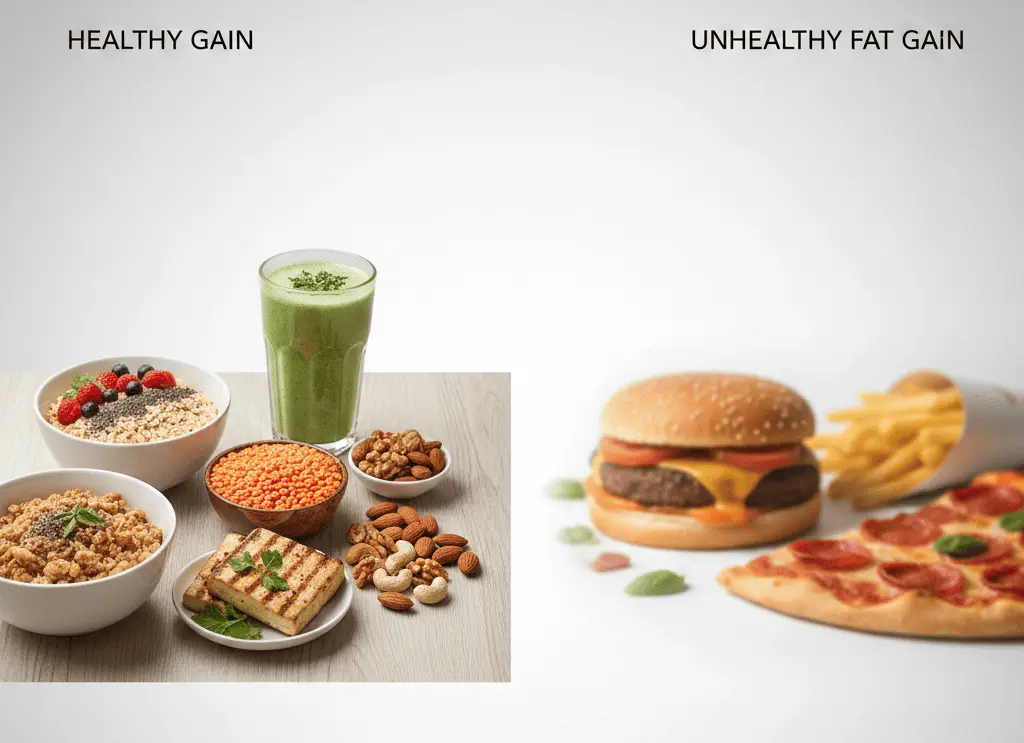
This is why understanding weight gain vs fat gain is crucial. Healthy weight gain focuses on increasing lean muscle mass, improving strength, and maintaining overall metabolic health. Fat gain, on the other hand, leads to unwanted belly fat, low energy, and a higher risk of lifestyle diseases.

If your goal is to gain weight the right way, look stronger, and feel healthier, then learning how to gain muscle without fat is essential.

how to gain muscle without fat

What Is Weight Gain? (The Healthy Perspective)

Weight gain means an increase in overall body weight. However, body weight is made up of:

  • Muscle mass
  • Fat mass
  • Water weight

Healthy weight gain prioritizes muscle mass over fat. When weight gain happens through proper nutrition and training, it results in:

  • Improved physical strength
  • Better posture and body shape
  • Faster metabolism
  • Higher energy levels

Healthy weight gain is always planned, gradual, and sustainable.

What Is Fat Gain and Why Should You Avoid It?

Fat gain occurs when excess calories are consumed without proper nutrient balance or physical activity. This typically happens due to:

  • Excess junk food intake
  • High sugar consumption
  • Lack of protein
  • Sedentary lifestyle

Problems Caused by Fat Gain

  • Increase in abdominal and visceral fat
  • Reduced stamina and fatigue
  • Hormonal imbalance
  • Poor insulin sensitivity
  • Increased risk of diabetes and heart disease

This clearly shows why fat gain is not the same as healthy weight gain.

Weight Gain vs Fat Gain: Detailed Comparison

Aspect

Healthy Weight Gain

Fat Gain

Main Focus

Lean muscle gain

Fat storage

Type of Diet

Clean bulking diet

Junk & processed food

Protein Intake

High

Low

Exercise

Strength training

Little to none

Body Appearance

Strong & toned

Soft & flabby

Metabolism

Improved

Slowed

Long-term Health

Positive

Negative

What Is Muscle Gain (Lean Muscle Gain)?

Muscle gain, also known as lean bulking, is the process of increasing muscle size and strength while keeping fat gain minimal. It is the healthiest and most effective form of weight gain.

Lean muscle gain requires:

  • A controlled calorie surplus
  • Sufficient protein for muscle repair
  • Regular strength training
  • Adequate sleep and recovery

Unlike fat gain, muscle gain improves both appearance and health.

Calorie Surplus for Muscle Gain: The Smart Way

A calorie surplus is essential for weight gain, but the quality of calories matters more than quantity.

Wrong Way to Create a Calorie Surplus

  • Fast food and sugary snacks
  • High-calorie drinks with no nutrition
  • No physical activity

👉 Result: Fat gain and poor health

Right Way to Create a Calorie Surplus

  • 300–500 extra calories per day
  • Nutrient-dense foods
  • High protein intake
  • Regular strength training

👉 Result: Healthy weight gain and muscle growth

Macronutrients for Healthy Weight Gain and Muscle Growth

1. Protein for Muscle Gain (Most Critical Nutrient)

Protein plays the most important role in muscle building nutrition. It repairs damaged muscle fibers and helps build new muscle tissue.

Recommended Protein Intake:
1.2–2 grams per kg of body weight

Best Protein Sources (Vegetarian & Vegan):

  • Paneer, milk, curd
  • Tofu, tempeh, soy chunks
  • Lentils, chickpeas, kidney beans
  • Nuts and seeds
  • Plant-based protein supplements

2. Carbohydrates for Energy and Performance

Carbohydrates fuel workouts and prevent muscle breakdown.

Healthy Carb Sources:

  • Rice, oats, quinoa
  • Whole wheat roti and bread
  • Potatoes and sweet potatoes
  • Fruits and vegetables

Carbohydrates are essential in any muscle gain diet.

3. Healthy Fats for Hormonal Balance

Healthy fats provide concentrated calories and support hormone production.

Sources of Healthy Fats:

  • Nuts and nut butters
  • Seeds (chia, flax, pumpkin)
  • Olive oil and coconut oil
  • Avocado
Best Foods for Muscle Gain Without Fat

Some of the best foods for lean muscle gain include:

  • Oats with peanut butter and banana
  • Rice with dal, paneer, or tofu
  • Smoothies with protein powder, fruits, and nuts
  • Whole-grain meals cooked in healthy oils
  • Homemade calorie-dense snacks

These foods support clean bulking instead of unhealthy fat gain.

Importance of Strength Training in Weight Gain

Without exercise, weight gain almost always turns into fat gain. Strength training is essential to convert calories into muscle.

Effective Strength Training Exercises

  • Squats
  • Push-ups
  • Lunges
  • Deadlifts
  • Resistance band workouts

Training 3–5 times per week is sufficient for muscle growth.

Lifestyle Factors That Decide Muscle Gain vs Fat Gain
  1. Sleep and Recovery
  • 7–9 hours of quality sleep daily
  • Muscle growth happens during rest
  1. Stress Management
  • Chronic stress increases cortisol
  • High cortisol promotes fat storage
  1. Consistency
  • Consistent diet and workouts lead to long-term results
Common Weight Gain Mistakes That Cause Fat Gain
  1. Eating junk food to increase calories
  2. Ignoring protein intake
  3. Avoiding strength training
  4. Expecting quick results
  5. Inconsistent diet and exercise routine

Avoiding these mistakes is crucial for healthy weight gain.

How Fast Should You Gain Weight?

Healthy muscle gain is slow and steady:

  • Around 0.5–1 kg per month

Rapid weight gain usually indicates fat gain, not muscle gain.

Who Should Follow a Customized Muscle Gain Plan?
  • Underweight individuals
  • People with thyroid or hormonal imbalance
  • PCOS patients
  • Beginners with no training experience

A personalized plan ensures weight gain without fat.

FAQs – Weight Gain vs Fat Gain

 Weight gain can include muscle, while fat gain only increases body fat.

 Yes, with a clean bulking diet and proper training.

 Yes, protein is essential for muscle growth.

 Yes, with plant-based protein sources and balanced meals.

 No, it mainly leads to fat gain and health problems.

Conclusion: Gain Weight the Right Way

Understanding weight gain vs fat gain is the foundation of a healthy and strong body. Instead of focusing on eating more food, focus on:

  • Balanced nutrition
  • High protein intake
  • Strength training
  • Healthy lifestyle habits

True healthy weight gain is about building muscle, not storing fat.
With the right strategy, you can gain weight naturally, safely, and sustainably.

Weight Gain Meal Plan for Vegetarians & Vegans: Healthy & Effective Ways to Gain Weight Naturally

Weight Gain Meal Plan for Vegetarians & Vegans: Healthy & Effective Ways to Gain Weight Naturally

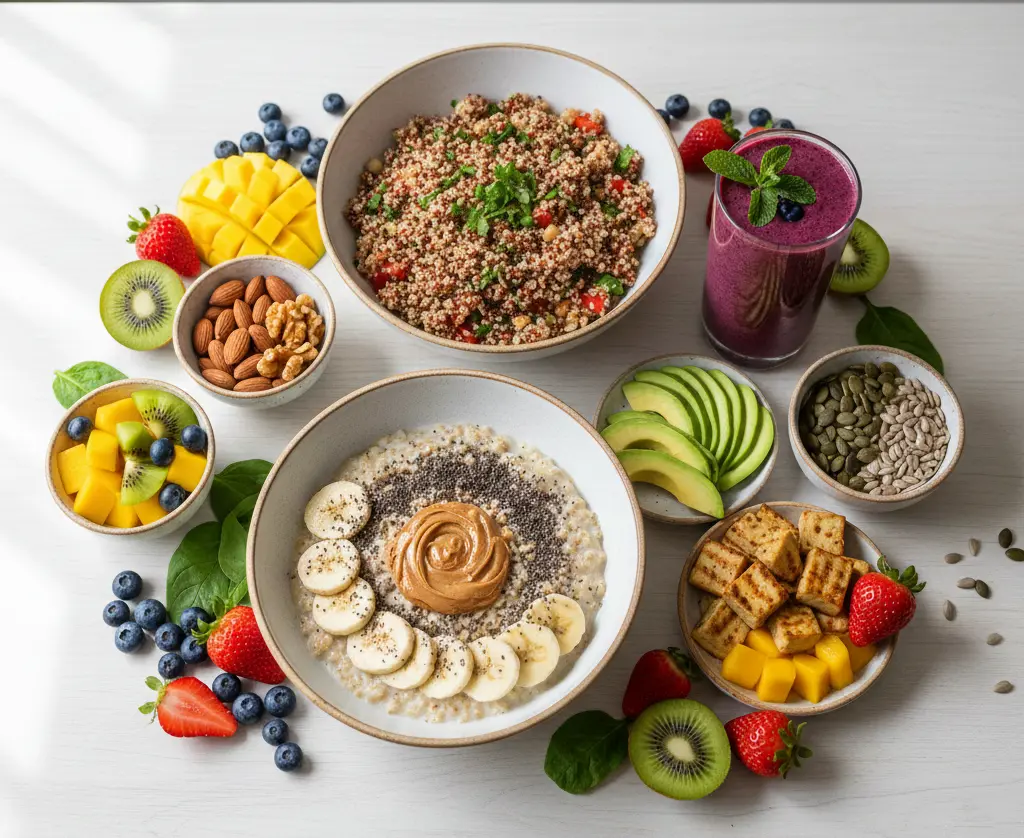
Gaining weight can be as challenging for vegetarians and vegans as losing weight is for others. Many plant-based eaters struggle to consume enough calories and protein to see healthy weight gain results. This blog will guide you through the best vegetarian and vegan meal plans, calorie-dense foods, and practical tips to gain weight naturally and sustainably.

vegan weight gain meal plan
1. Understanding Weight Gain for Vegetarians & Vegans

Before creating a meal plan, it’s important to understand the principles of healthy weight gain.

1.1 Why Weight Gain is Hard for Some People

  • Fast metabolism or ectomorph body type
  • Low appetite
  • Lack of calorie-dense foods in diet
  • Active lifestyle without sufficient caloric intake
 

1.2 Calorie Surplus: The Key to Weight Gain

  • To gain weight, you must consume more calories than you burn.
  • Focus on nutrient-rich, calorie-dense foods, not junk foods.
2. Essential Nutrients for Weight Gain

A well-planned diet must include the following nutrients:

2.1 Protein

  • Supports muscle growth
  • Sources: lentils, chickpeas, tofu, tempeh, seitan, soy milk, quinoa, nuts, seeds

2.2 Healthy Fats

  • High in calories and essential for weight gain
  • Sources: avocados, coconut oil, olive oil, peanut butter, nuts, seeds

2.3 Carbohydrates

  • Main source of energy and calories
  • Sources: rice, oats, whole wheat bread, potatoes, sweet potatoes, pasta, fruits

2.4 Vitamins & Minerals

  • Include green leafy vegetables, fruits, and fortified plant-based milk to maintain overall health
3. Top Calorie-Dense Foods for Weight Gain (Vegetarian & Vegan)

Food Category

Examples

Calories (per 100g)

Benefits

Nuts & Seeds

Almonds, cashews, chia seeds, flaxseeds

500-600

Healthy fats, protein

Nut Butters

Peanut butter, almond butter

588-600

High in calories, protein

Grains & Cereals

Quinoa, oats, brown rice, whole wheat

350-370

Complex carbs for energy

Legumes

Lentils, chickpeas, kidney beans

300-350

Protein and fiber

Plant-based Oils

Olive oil, coconut oil

884

Concentrated calories, healthy fats

Fruits

Banana, mango, avocado

80-160

Natural sugar, healthy calories

Plant Milk

Soy milk, almond milk

50-80

Protein and calories

Tofu & Tempeh

Tofu, tempeh

150-200

High protein, versatile

4. Sample Weight Gain Meal Plan (Vegetarian & Vegan)

Here is a structured 7-day meal plan to help vegetarians and vegans gain healthy weight. Each day provides ~2500–3000 calories depending on portion size.

Day 1

  • Breakfast: Oats with soy milk, chia seeds, peanut butter, banana
  • Mid-morning Snack: Handful of almonds & walnuts
  • Lunch: Brown rice, lentil curry, avocado, steamed vegetables
  • Afternoon Snack: Protein smoothie with soy protein, oats, almond butter
  • Dinner: Whole wheat pasta with tofu, olive oil, vegetables
  • Before Bed: Soy milk with a tablespoon of peanut butter

Day 2

  • Breakfast: Quinoa porridge with almond milk, dried fruits, flaxseeds
  • Snack: Trail mix (nuts, seeds, raisins)
  • Lunch: Chickpea salad with avocado and olive oil dressing
  • Snack: Banana smoothie with peanut butter
  • Dinner: Stir-fried tempeh with brown rice and vegetables

Before Bed: Almond milk with soaked dates

5. Tips for Effective Weight Gain
  1. Eat Frequently: 5–6 meals a day
  2. Add Calorie-Dense Ingredients: Nuts, seeds, oils, nut butters
  3. Strength Training: Helps convert calories into muscle
  4. Avoid Empty Calories: Don’t rely on junk food
  5. Hydration: Drink water but avoid filling up right before meals
6. Common Mistakes to Avoid
  • Skipping meals
  • Eating low-calorie foods only
  • Ignoring protein intake
  • Over-relying on processed snacks
  • Not tracking calories or progress
7. Supplements for Vegetarian & Vegan Weight Gain (Optional)
  • Plant-based protein powders
  • Nutritional yeast
  • Omega-3 supplements (ALA, flaxseed oil)
  • Multivitamins for balanced nutrition

Frequently Asked Questions

 A1. Yes, by consuming protein-rich legumes, dairy, nuts, seeds, and calorie-dense foods.

 A2. About 1.2–2 g per kg of body weight daily.

 A3. Yes, they are calorie-dense and can include protein, healthy fats, and carbs.

 A4. Healthy weight gain is gradual; aim for 0.5–1 kg per week.

 A5. Yes, strength training ensures weight gain is mostly muscle, not fat.

 A6. Absolutely, they are rich in healthy fats and calories.

 A7. 5–6 meals/snacks per day with calorie-dense foods.

Conclusion

Weight gain for vegetarians and vegans is entirely achievable with the right combination of calorie-dense foods, balanced macronutrients, and frequent meals. Focusing on protein, healthy fats, complex carbs, and strength training will help you gain muscle and not fat. Customizing meal plans according to personal preferences and body type can accelerate results.