Author: admin

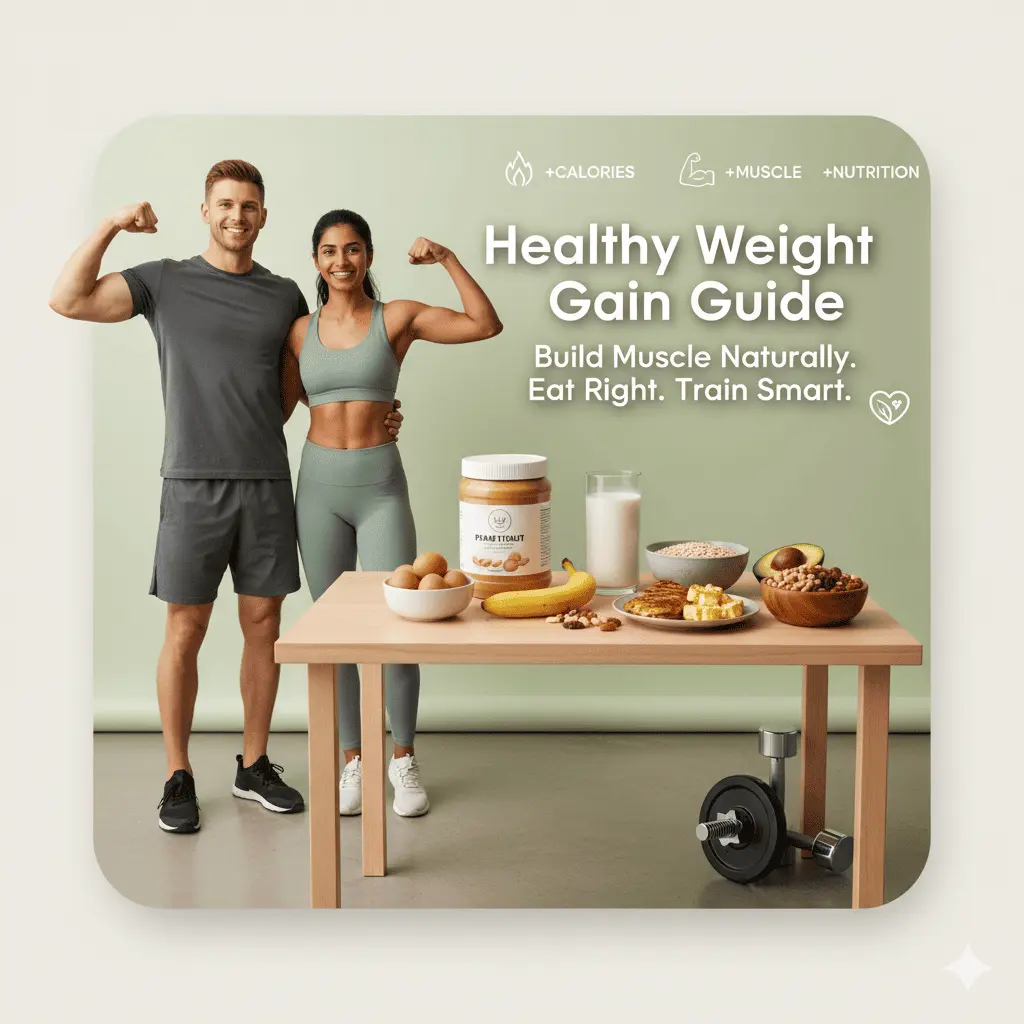
Weight Gain vs Fat Gain: How to Gain Muscle the Right Way

Weight Gain vs Fat Gain: How to Gain Muscle the Right Way

Understanding the Real Meaning of Weight Gain

Weight gain is one of the most misunderstood health goals. Many people believe that eating more food automatically leads to healthy weight gain. In reality, this approach often results in fat gain instead of muscle gain, leading to poor body composition and long-term health issues.

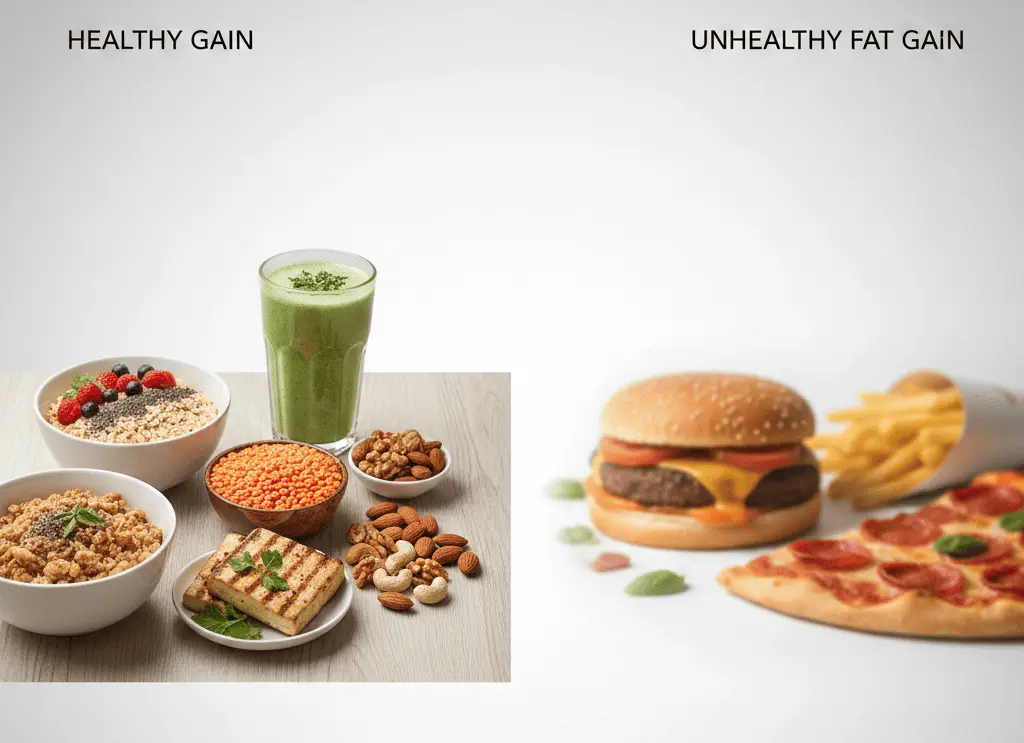
This is why understanding weight gain vs fat gain is crucial. Healthy weight gain focuses on increasing lean muscle mass, improving strength, and maintaining overall metabolic health. Fat gain, on the other hand, leads to unwanted belly fat, low energy, and a higher risk of lifestyle diseases.

If your goal is to gain weight the right way, look stronger, and feel healthier, then learning how to gain muscle without fat is essential.
how to gain muscle without fat

What Is Weight Gain? (The Healthy Perspective)

Weight gain means an increase in overall body weight. However, body weight is made up of:

  • Muscle mass
  • Fat mass
  • Water weight

Healthy weight gain prioritizes muscle mass over fat. When weight gain happens through proper nutrition and training, it results in:

  • Improved physical strength
  • Better posture and body shape
  • Faster metabolism
  • Higher energy levels

Healthy weight gain is always planned, gradual, and sustainable.

What Is Fat Gain and Why Should You Avoid It?

Fat gain occurs when excess calories are consumed without proper nutrient balance or physical activity. This typically happens due to:

  • Excess junk food intake
  • High sugar consumption
  • Lack of protein
  • Sedentary lifestyle

Problems Caused by Fat Gain

  • Increase in abdominal and visceral fat
  • Reduced stamina and fatigue
  • Hormonal imbalance
  • Poor insulin sensitivity
  • Increased risk of diabetes and heart disease

This clearly shows why fat gain is not the same as healthy weight gain.

Weight Gain vs Fat Gain: Detailed Comparison

Aspect

Healthy Weight Gain

Fat Gain

Main Focus

Lean muscle gain

Fat storage

Type of Diet

Clean bulking diet

Junk & processed food

Protein Intake

High

Low

Exercise

Strength training

Little to none

Body Appearance

Strong & toned

Soft & flabby

Metabolism

Improved

Slowed

Long-term Health

Positive

Negative

What Is Muscle Gain (Lean Muscle Gain)?

Muscle gain, also known as lean bulking, is the process of increasing muscle size and strength while keeping fat gain minimal. It is the healthiest and most effective form of weight gain.

Lean muscle gain requires:

  • A controlled calorie surplus
  • Sufficient protein for muscle repair
  • Regular strength training
  • Adequate sleep and recovery

Unlike fat gain, muscle gain improves both appearance and health.

Calorie Surplus for Muscle Gain: The Smart Way

A calorie surplus is essential for weight gain, but the quality of calories matters more than quantity.

Wrong Way to Create a Calorie Surplus

  • Fast food and sugary snacks
  • High-calorie drinks with no nutrition
  • No physical activity

👉 Result: Fat gain and poor health

Right Way to Create a Calorie Surplus

  • 300–500 extra calories per day
  • Nutrient-dense foods
  • High protein intake
  • Regular strength training

👉 Result: Healthy weight gain and muscle growth

Macronutrients for Healthy Weight Gain and Muscle Growth

1. Protein for Muscle Gain (Most Critical Nutrient)

Protein plays the most important role in muscle building nutrition. It repairs damaged muscle fibers and helps build new muscle tissue.

Recommended Protein Intake:
1.2–2 grams per kg of body weight

Best Protein Sources (Vegetarian & Vegan):

  • Paneer, milk, curd
  • Tofu, tempeh, soy chunks
  • Lentils, chickpeas, kidney beans
  • Nuts and seeds
  • Plant-based protein supplements

2. Carbohydrates for Energy and Performance

Carbohydrates fuel workouts and prevent muscle breakdown.

Healthy Carb Sources:

  • Rice, oats, quinoa
  • Whole wheat roti and bread
  • Potatoes and sweet potatoes
  • Fruits and vegetables

Carbohydrates are essential in any muscle gain diet.

3. Healthy Fats for Hormonal Balance

Healthy fats provide concentrated calories and support hormone production.

Sources of Healthy Fats:

  • Nuts and nut butters
  • Seeds (chia, flax, pumpkin)
  • Olive oil and coconut oil
  • Avocado
Best Foods for Muscle Gain Without Fat

Some of the best foods for lean muscle gain include:

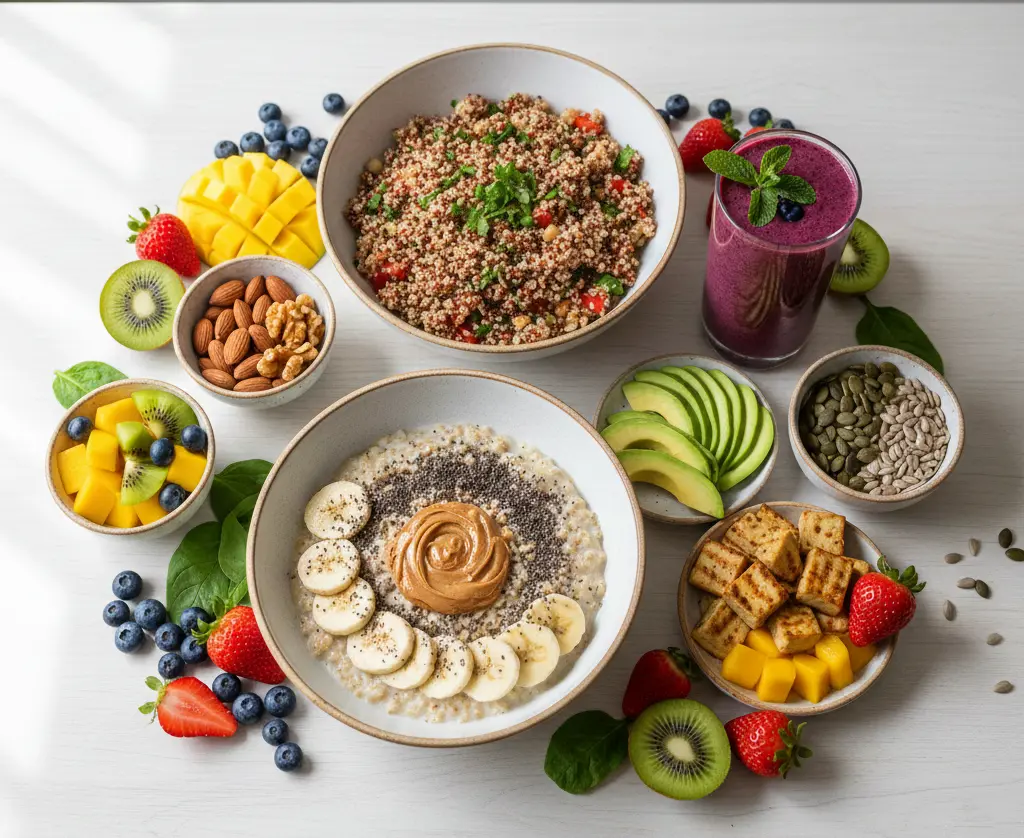
  • Oats with peanut butter and banana
  • Rice with dal, paneer, or tofu
  • Smoothies with protein powder, fruits, and nuts
  • Whole-grain meals cooked in healthy oils
  • Homemade calorie-dense snacks

These foods support clean bulking instead of unhealthy fat gain.

Importance of Strength Training in Weight Gain

Without exercise, weight gain almost always turns into fat gain. Strength training is essential to convert calories into muscle.

Effective Strength Training Exercises

  • Squats
  • Push-ups
  • Lunges
  • Deadlifts
  • Resistance band workouts

Training 3–5 times per week is sufficient for muscle growth.

Lifestyle Factors That Decide Muscle Gain vs Fat Gain
  1. Sleep and Recovery
  • 7–9 hours of quality sleep daily
  • Muscle growth happens during rest
  1. Stress Management
  • Chronic stress increases cortisol
  • High cortisol promotes fat storage
  1. Consistency
  • Consistent diet and workouts lead to long-term results
Common Weight Gain Mistakes That Cause Fat Gain
  1. Eating junk food to increase calories
  2. Ignoring protein intake
  3. Avoiding strength training
  4. Expecting quick results
  5. Inconsistent diet and exercise routine

Avoiding these mistakes is crucial for healthy weight gain.

How Fast Should You Gain Weight?

Healthy muscle gain is slow and steady:

  • Around 0.5–1 kg per month

Rapid weight gain usually indicates fat gain, not muscle gain.

Who Should Follow a Customized Muscle Gain Plan?
  • Underweight individuals
  • People with thyroid or hormonal imbalance
  • PCOS patients
  • Beginners with no training experience

A personalized plan ensures weight gain without fat.

FAQs – Weight Gain vs Fat Gain

 Weight gain can include muscle, while fat gain only increases body fat.

 Yes, with a clean bulking diet and proper training.

 Yes, protein is essential for muscle growth.

 Yes, with plant-based protein sources and balanced meals.

 No, it mainly leads to fat gain and health problems.

Conclusion: Gain Weight the Right Way

Understanding weight gain vs fat gain is the foundation of a healthy and strong body. Instead of focusing on eating more food, focus on:

  • Balanced nutrition
  • High protein intake
  • Strength training
  • Healthy lifestyle habits

True healthy weight gain is about building muscle, not storing fat.
With the right strategy, you can gain weight naturally, safely, and sustainably.
Weight Gain Meal Plan for Vegetarians & Vegans: Healthy & Effective Ways to Gain Weight Naturally

Weight Gain Meal Plan for Vegetarians & Vegans: Healthy & Effective Ways to Gain Weight Naturally

Gaining weight can be as challenging for vegetarians and vegans as losing weight is for others. Many plant-based eaters struggle to consume enough calories and protein to see healthy weight gain results. This blog will guide you through the best vegetarian and vegan meal plans, calorie-dense foods, and practical tips to gain weight naturally and sustainably.

vegan weight gain meal plan
1. Understanding Weight Gain for Vegetarians & Vegans

Before creating a meal plan, it’s important to understand the principles of healthy weight gain.

1.1 Why Weight Gain is Hard for Some People

  • Fast metabolism or ectomorph body type
  • Low appetite
  • Lack of calorie-dense foods in diet
  • Active lifestyle without sufficient caloric intake
 

1.2 Calorie Surplus: The Key to Weight Gain

  • To gain weight, you must consume more calories than you burn.
  • Focus on nutrient-rich, calorie-dense foods, not junk foods.
2. Essential Nutrients for Weight Gain

A well-planned diet must include the following nutrients:

2.1 Protein

  • Supports muscle growth
  • Sources: lentils, chickpeas, tofu, tempeh, seitan, soy milk, quinoa, nuts, seeds

2.2 Healthy Fats

  • High in calories and essential for weight gain
  • Sources: avocados, coconut oil, olive oil, peanut butter, nuts, seeds

2.3 Carbohydrates

  • Main source of energy and calories
  • Sources: rice, oats, whole wheat bread, potatoes, sweet potatoes, pasta, fruits

2.4 Vitamins & Minerals

  • Include green leafy vegetables, fruits, and fortified plant-based milk to maintain overall health
3. Top Calorie-Dense Foods for Weight Gain (Vegetarian & Vegan)

Food Category

Examples

Calories (per 100g)

Benefits

Nuts & Seeds

Almonds, cashews, chia seeds, flaxseeds

500-600

Healthy fats, protein

Nut Butters

Peanut butter, almond butter

588-600

High in calories, protein

Grains & Cereals

Quinoa, oats, brown rice, whole wheat

350-370

Complex carbs for energy

Legumes

Lentils, chickpeas, kidney beans

300-350

Protein and fiber

Plant-based Oils

Olive oil, coconut oil

884

Concentrated calories, healthy fats

Fruits

Banana, mango, avocado

80-160

Natural sugar, healthy calories

Plant Milk

Soy milk, almond milk

50-80

Protein and calories

Tofu & Tempeh

Tofu, tempeh

150-200

High protein, versatile

4. Sample Weight Gain Meal Plan (Vegetarian & Vegan)

Here is a structured 7-day meal plan to help vegetarians and vegans gain healthy weight. Each day provides ~2500–3000 calories depending on portion size.

Day 1

  • Breakfast: Oats with soy milk, chia seeds, peanut butter, banana
  • Mid-morning Snack: Handful of almonds & walnuts
  • Lunch: Brown rice, lentil curry, avocado, steamed vegetables
  • Afternoon Snack: Protein smoothie with soy protein, oats, almond butter
  • Dinner: Whole wheat pasta with tofu, olive oil, vegetables
  • Before Bed: Soy milk with a tablespoon of peanut butter

Day 2

  • Breakfast: Quinoa porridge with almond milk, dried fruits, flaxseeds
  • Snack: Trail mix (nuts, seeds, raisins)
  • Lunch: Chickpea salad with avocado and olive oil dressing
  • Snack: Banana smoothie with peanut butter
  • Dinner: Stir-fried tempeh with brown rice and vegetables

Before Bed: Almond milk with soaked dates

5. Tips for Effective Weight Gain
  1. Eat Frequently: 5–6 meals a day
  2. Add Calorie-Dense Ingredients: Nuts, seeds, oils, nut butters
  3. Strength Training: Helps convert calories into muscle
  4. Avoid Empty Calories: Don’t rely on junk food
  5. Hydration: Drink water but avoid filling up right before meals
6. Common Mistakes to Avoid
  • Skipping meals
  • Eating low-calorie foods only
  • Ignoring protein intake
  • Over-relying on processed snacks
  • Not tracking calories or progress
7. Supplements for Vegetarian & Vegan Weight Gain (Optional)
  • Plant-based protein powders
  • Nutritional yeast
  • Omega-3 supplements (ALA, flaxseed oil)
  • Multivitamins for balanced nutrition

Frequently Asked Questions

 A1. Yes, by consuming protein-rich legumes, dairy, nuts, seeds, and calorie-dense foods.

 A2. About 1.2–2 g per kg of body weight daily.

 A3. Yes, they are calorie-dense and can include protein, healthy fats, and carbs.

 A4. Healthy weight gain is gradual; aim for 0.5–1 kg per week.

 A5. Yes, strength training ensures weight gain is mostly muscle, not fat.

 A6. Absolutely, they are rich in healthy fats and calories.

 A7. 5–6 meals/snacks per day with calorie-dense foods.

Conclusion

Weight gain for vegetarians and vegans is entirely achievable with the right combination of calorie-dense foods, balanced macronutrients, and frequent meals. Focusing on protein, healthy fats, complex carbs, and strength training will help you gain muscle and not fat. Customizing meal plans according to personal preferences and body type can accelerate results.

Why You’re Not Gaining Weight: Hidden Reasons & Proven Solutions 

Why You’re Not Gaining Weight: Hidden Reasons & Proven Solutions

While weight loss is frequently discussed in relation to health, another group of people is silently dealing with the opposite issue: gaining weight in a healthy manner. For many, gaining weight is crucial for strength, immunity, hormonal balance, and mental confidence in addition to being a fitness objective.

This guide is for you if you’re sick of hearing people say things like “just eat more” or “you’re lucky to be thin,” and you’re actually trying to lose weight but still not succeeding.

weight gain diet plan
Why Do Some People Struggle to Gain Weight?

Being underweight often comes with challenges that aren’t visible at first glance:

  • Lower self-esteem
  • Social pressure or body shaming
  • Weak immunity
  • Frequent tiredness or weakness
  • Hair fall and dull skin
  • Low muscle mass
  • Irregular periods in females
  • Slow injury recovery
  • Nutrient deficiencies

Just like obesity, being underweight is a health condition and deserves equal support and structured planning.

Understanding Healthy Weight Gain

Gaining weight is not about eating junk food or consuming fried snacks all day. There’s a healthy way to gain weight that focuses on:

  • Building lean muscle tissue
  • Improving metabolism
  • Strengthening digestion
  • Boosting hormonal health
  • Increasing strength and stamina

A balanced weight gain diet plan focuses on nutritious, calorie-dense meals instead of empty calories.

Ideal healthy gain:
0.5 kg to 1 kg per week

Slow and steady wins, otherwise you gain fat instead of muscle.

Hidden Reasons You’re Not Gaining Weight

1. Fast Metabolism

Some bodies burn calories faster even at rest. This makes weight gain challenging.

What to do

  • Increase daily calorie intake by 300–600 calories
  • Choose calorie-dense foods: nuts, seeds, paneer, peanut butter
  • Add smoothies & shakes

2. Poor Appetite

Not feeling hungry enough? That’s a big barrier.

Solutions for low appetite

  • Eat small frequent meals
  • Sip calorie-rich drinks (milk, shakes)
  • Light walk before meals
  • Add digestion-boosters: ginger, jeera, lemon water

3. Insufficient Protein

Protein builds muscle. Most underweight people don’t consume enough.

Daily protein goal:
1.2–1.8 g/kg body weight

Example: 60 kg person needs 72–108g protein daily

Best sources: paneer, curd, eggs, milk, tofu, chicken, dals, whey protein.

4. Poor Digestion & Gut Issues

You might be eating plenty, but absorbing very little.

Symptoms:

  • Bloating
  • Gas
  • Diarrhea
  • Constipation
  • Low appetite

Solutions

  • Probiotics: curd, buttermilk
  • Ginger, fennel seeds
  • Jeera water
  • Reduce excessive tea/coffee

5. Thyroid & Hormonal Imbalance

Hyperthyroidism and female hormonal imbalance affect weight.

If you’re losing weight unexpectedly, test for:

  • Thyroid
  • Vitamin D
  • B12
  • Iron

6. Stress & Anxiety

Stress increases cortisol, which reduces appetite and burns muscle mass.

Fix stress daily:
Yoga, journaling, meditation, deep breathing, sunlight exposure.

7. Over-Exercising or No Exercise

Cardio burns calories; strength training builds muscle.

Best workout routine:
3–5 weight training sessions per week
Avoid excessive running or HIIT

8. Skipping Sleep

Muscles grow during sleep.

Sleep target: 7–9 hours

Best Weight Gain Foods

To follow the best diet for weight gain naturally, include calorie-dense nutrient-rich foods:

Category

Foods

Healthy fats

Ghee, nuts, seeds, avocado, coconut

Dairy

Milk, paneer, curd, cheese

Carbs

Oats, bananas, rice, potatoes, sweet potatoes

Protein

Eggs, chicken, fish, soy, dal, chickpeas

Extras

Peanut butter, dates, raisins, honey, smoothies

These foods fit every plan whether weight gain for males or weight gain for females.

Weight Gain Diet Plan (Indian Friendly)

Sample Daily Plan

Time

Food

Morning

Soaked almonds + honey milk

Breakfast

Paneer paratha + curd or oats-banana-PB shake

Snack

Dry fruits + dates

Lunch

Rice + dal + ghee + sabzi + paneer/chicken + curd

Evening

Peanut butter toast + fruit smoothie

Dinner

Roti + potatoes + paneer/chicken + salad

Before Bed

Milk with turmeric & jaggery or whey shake

This is a realistic weight gain meal plan you can use daily.

Weight Gain Tips for Faster Results

  • Eat every 3 hours
  • Add healthy oils/ghee to food
  • Drink calories (milk, shakes)
  • Strength train consistently
  • Avoid drinking water right before meals
  • Track weekly progress
  • Sleep like you mean it

These natural weight gain methods help you gain sustainably.

Weight Gain for Females vs Males

Women often struggle due to:

  • Lower appetite
  • Iron or B12 deficiency
  • Hormonal imbalance
  • Stress and fatigue

Men often struggle due to:

  • High metabolism
  • Poor eating schedule
  • High physical activity

Solution: both need structured calories + protein + training.

Healthy Shakes for Weight Gain
  • Peanut butter banana shake
  • Oats, almond, honey smoothie
  • Mango milkshake (seasonal)
  • Dates milk smoothie
  • Avocado yogurt shake
Avoid These Mistakes
  • Eating junk foods
  • Relying on mass gain powders blindly
  • Skipping meals
  • No strength training
  • Irregular sleep
Frequently Asked Questions

Maybe you have fast metabolism, low protein intake, gut issues, or stress affecting appetite.

Milk, paneer, eggs, nuts, peanut butter, banana, potatoes, oats, ghee, rice.

Healthy gain takes 6–12 weeks with a proper plan.

Eat calorie-dense foods, protein shakes, do strength training, sleep well, avoid stress.

Yes, but gym accelerates muscle gain. At least do resistance training home workouts.

Conclusion

Gaining weight is a journey of nourishment, not stuffing yourself. Focus on:

  • Quality calories
  • Protein
  • Strength training
  • Digestion
  • Sleep
  • Consistency

Whether its weight gain for females, weight gain for males, or a clean fast weight gain diet, the key is consistency, right food, and lifestyle balance.

You deserve to feel strong, confident, and energized. Start today with a sustainable weight gain meal plan and use these weight gain tips to transform your body naturally.

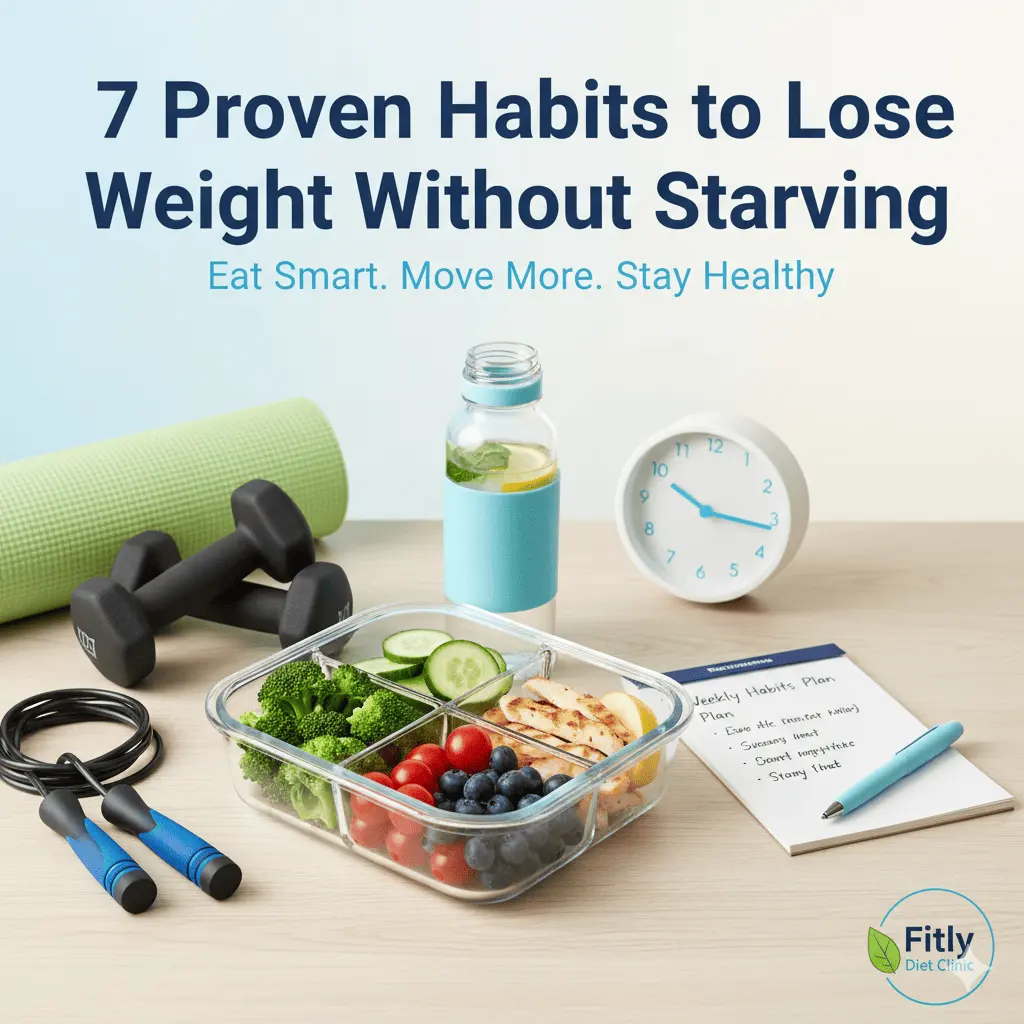
7 Proven Habits That Help You Lose Weight Without Starving

7 Proven Habits That Help You Lose Weight Without Starving

Introduction: Reduce Weight Without Going Without Food

Extreme dieting or starvation are not necessary for weight loss. Smart eating, consistent lifestyle choices, and increasing your metabolism while preserving your energy levels are the key components of sustainable fat loss.

Many people struggle with diets in today’s hectic lives because they feel hungry, exhausted, or don’t consistently stick to their plan. At Fitly Diet Clinic, we think losing weight should be fun, healthy, and manageable.

This blog offers seven habits that have been shown to be beneficial by science:

  • Effectively burning fat
  • Maintaining lean muscle mass,
  • Naturally regulating appetite,
  • Satiety and sustaining energy levels throughout the day
healthy weight loss habits

1. Eat protein first thing in the morning.

The Significance of Protein in Weight Loss

The building block of muscles, protein aids in fat loss by: preserving lean muscle mass; boosting the thermic effect of food (calories burned during digestion); and inhibiting the hunger hormone ghrelin.

A high-protein breakfast has been shown to decrease mid-morning cravings and calorie intake throughout the day.

Ideas for Protein-Rich Breakfasts

  • Eggs and Egg White Omelette: Include bell peppers, tomatoes, and spinach.
  • Greek Yogurt with Nuts and Fruits: Rich in probiotics, healthy fats, and protein
  • Moong Dal Chilla (lentil pancakes): Low-cost, high-protein, and satisfying 
  • Oats with Milk & Seeds: For an added protein boost, add chia seeds, flaxseeds, or almonds.

Advice: For longer satiety, mix protein with fiber and complex carbohydrates.

meal plans catered to your protein requirements with our Customized Weight Loss Programs.

2. Sip water prior to meals.

The Impact of Hydration on Weight Loss

Water consumption 15–20 minutes prior to meals can: 

  • Boost metabolism and detoxification 
  • Naturally lower caloric intake 
  • Improve digestion

The metabolism of fat is also influenced by water. 500ml of water increases calorie burn by 30% over 30–40 minutes, according to a study published in the Journal of Clinical Endocrinology & Metabolism.

Some suggestions for increasing water intake include: 

  • Keeping a water bottle at your desk
  • Infusing water with lemon, cucumber, or mint for flavor
  • Sipping a glass before snacks or when cravings strike.

According to Healthline, staying hydrated is a simple way to control appetite and support fat loss.

3. Eat Slowly and With Awareness

The Significance of Slow Eating

Since it takes the brain around 20 minutes to register fullness, eating too quickly frequently results in overeating. Additionally, mindful eating enhances digestion and enables you to pay attention to your body’s hunger signals.

How to Eat Mindfully: 

  • Pay attention to taste, texture, and portion size
  • Avoid eating in front of screens (TV, phone, laptop)
  • Chew every bite carefully
  • Stop eating when you are about 80% full.

Real-World Example: Eat slowly, drink water in between bites, and pay attention to when your hunger is satiated rather than consuming your food in a hurry. Over time, this stops binge eating.

4. Incorporate Foods High in Fiber

Fiber’s Function in Weight Loss

Foods high in fiber help you:

  • Feel fuller for longer
  • Lower blood sugar spikes
  • Enhance gut health
  • Naturally consume fewer calories overall.

The following foods are the best sources of fiber:

  • whole grains like oats, brown rice, quinoa, and millet
  •  legumes like kidney beans, chickpeas, and lentils
  •  fruits like apples, guava, papaya, and oranges
  •  vegetables like spinach, broccoli, carrots, and bottle gourd.

Quick Fiber Tip: 

  • Include fruits as a midmorning snack
  • include legumes in salads, soups, or curries
  • include vegetables in every meal.

5. Arrange Meals and Snacks in Advance: The Benefits of Meal Planning

Planning meals:

  • Lowers consumption of junk food
  • Saves time and money
  • Ensures healthy options are always available.

How to Prepare Meals Efficiently

  1. Make a weekly shopping list: Pay attention to inexpensive, in-season ingredients.
  2. Prepare grains, legumes, and proteins in bulk.
  3. Divide meals into convenient containers.

Weekly Meal Plan Example

  • Breakfast: Oats + fruit
  • Mid-morning snack: Nuts or sprouts
  • Lunch: Brown rice + lentils + vegetables
  • Evening snack: Greek yogurt or roasted chickpeas
  • Dinner: Grilled paneer or chicken + salad

6. Move More Throughout the Day

Non-Exercise Activity (NEAT)

Weight loss isn’t just about gym workouts. Everyday activities such as walking, cleaning, or stretching contribute to NEAT calories burned.

Tips to Increase Daily Movement

  • Take stairs instead of the elevator
  • Walk 5–10 minutes after meals
  • Stretch every 1–2 hours
  • Include 10–15 minutes of home workouts

Verywell Fit explains how daily movement impacts calories burned and weight management.

Example Mini Home Workout

  • 10 squats
  • 10 push-ups
  • 10 lunges
  • 15 jumping jacks
    Repeat 2–3 sets, 3–4 times a week

7. Prioritize Sleep and Stress Management

How Sleep Impacts Weight Loss

Poor sleep increases ghrelin (hunger hormone) and decreases leptin (satiety hormone), making weight loss more difficult.

Stress and Weight Gain

High stress raises cortisol, promoting fat storage, especially around the abdomen.

Tips for Better Sleep and Stress Management

  • Aim for 7–8 hours of sleep nightly
  • Practice deep breathing or meditation
  • Avoid late-night snacking
  • Maintain a consistent sleep schedule

Tip: Combining sleep management with mindful eating and physical activity yields maximum fat loss results.

Extra Routines for Quicker Outcomes

  • Keep a food diary to monitor intake
  • Eat 3–4 small balanced meals daily, don’t skip meals
  • Use smaller plates to control portions naturally
  • Prepare healthy snacks in advance (nuts, boiled eggs, yogurt)
  • Track non-scale victories: energy, clothing fit, body measurements

Research and Statistics to Support It

  • High-protein breakfasts reduce daily calorie intake by 100–200 calories (American Journal of Clinical Nutrition)
  • Drinking water before meals can reduce 75–90 calories per meal (Obesity Journal)
  • NEAT activities like walking and stretching can burn up to 2,000 calories per week (Mayo Clinic)
Frequently Asked Questions

A1: Absolutely! By adopting these 7 habits, you can reduce calorie intake naturally while staying satisfied.

 A2: Yes, it prevents impulsive eating and ensures consistent calorie control.

 A3: Yes, even 10–15 minutes of daily activity helps burn calories and boosts metabolism.

 A4: High cortisol levels from stress increase appetite and promote fat storage.

 A5: Yes! Visit Fitly Diet Clinic for customized weight loss programs.

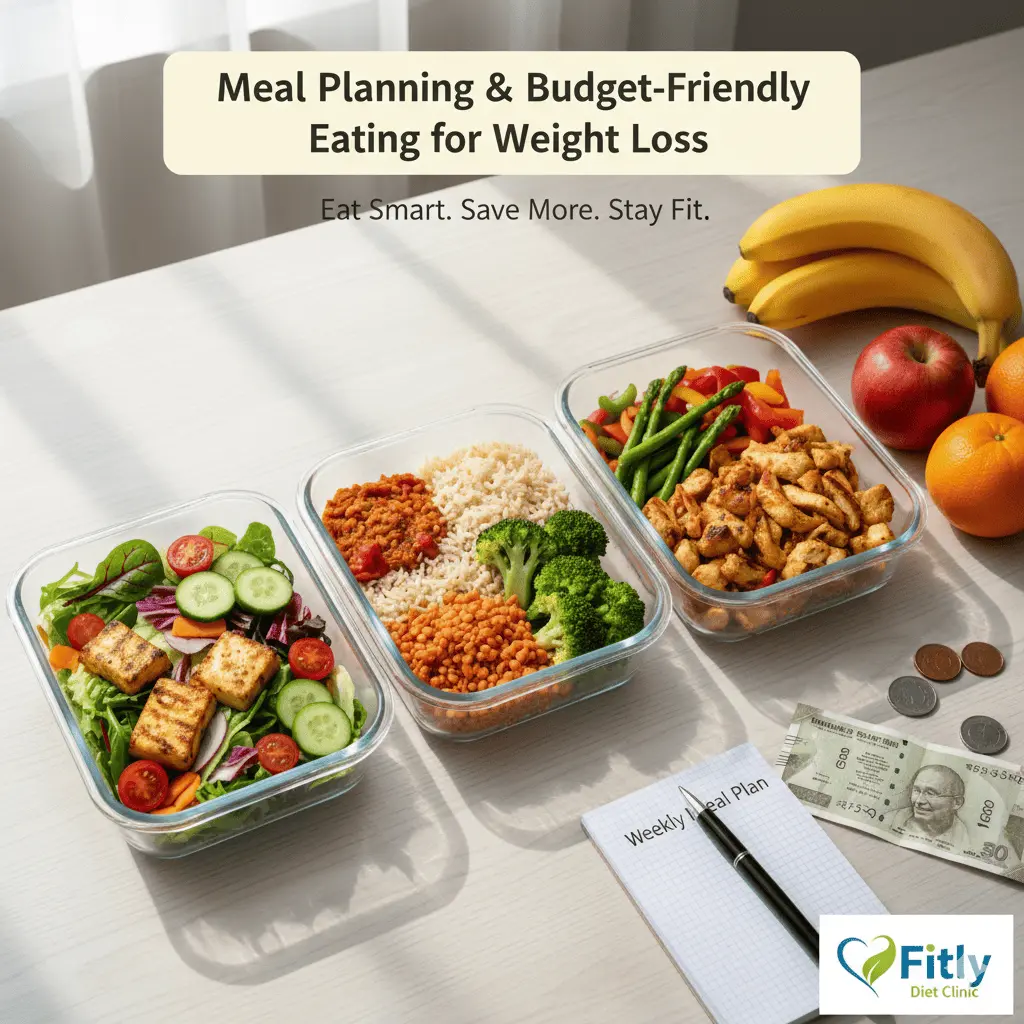
Meal Planning & Budget-Friendly Eating for Weight Loss

Meal Planning & Budget-Friendly Eating for Weight Loss

The Key to Cost-Effective Weight Loss

You don’t have to break the bank to lose weight. In actuality, planning is more important for long-term weight loss than expensive diets or glitzy ingredients. You can maintain your fitness, save money, and still eat tasty, nourishing meals by mastering the art of meal planning and frugal eating.

At Fitly Diet Clinic, we think that affordability and health are closely related. This guide will help you become an expert at meal planning, portion control, and smart grocery shopping without sacrificing your nutritional or taste objectives, whether you’re a homemaker, student, or busy professional.

weight loss diet plan
What Meal Planning Is and Why It’s Important for Losing Weight

Choosing your meals for the upcoming days or weeks in advance is known as meal planning. It’s about finding balance and managing your food intake, not just about convenience.

The advantages of meal planning for weight loss include: 

  • lowering cravings for junk food and impulsive eating; 
  • making it easier to maintain a calorie deficit; 
  • promoting nutritional balance (protein, carbs, fats, and fiber); 
  • saving money and reducing food waste; 
  • keeping you motivated and consistent.

You’re less likely to reach for unhealthy options when you have nutritious meals prepared. Meal planning is one of the best weight loss techniques because of its consistency.

The Cost-Effective Method: Eat Well, Spend Less

Purchasing pricey organic produce or imported snacks is not the only way to eat healthily. It all comes down to choosing wisely and sensibly.

  1. Purchase Seasonal and Local 
  • Produce Local produce is more nutrient-dense, fresher, and less expensive.
  • Seasonal produce is 30–50% less expensive when purchased from local markets or vendors.

For instance:

  • Watermelon, cucumber, bottle gourd, and spinach in the summer
  • Winter foods include sweet potatoes, oranges, cauliflower, and carrots.
  1. Purchase in Bulk and Store Wisely
  • Bulk purchases of staples like oats, rice, lentils, beans, and whole grains can save money.
  • To prevent spoiling, store them appropriately in airtight containers.
  1. Arrange Your Meals to Include Inexpensive Protein Sources

Protein prolongs feelings of fullness and helps maintain muscle mass during weight loss.

Low-cost sources:

  • Peanuts, yogurt, paneer, chickpeas, lentils, tofu, and eggs
  1. Cut Back on Packaged Foods

In addition to being unhealthy, processed foods are more expensive per calorie. You have more control over portion size and nutrition when you cook at home.

  1. Make Creative Use of Leftovers

Don’t discard food. Repurpose leftovers to make salads, wraps, or soups.

The following day, for instance, leftover grilled chicken can be turned into a high-protein sandwich.

The Mentality of Meal Planning

Making a meal plan helps you make better decisions. You don’t have to ask yourself, “What should I eat next?” all the time.

This mental clarity prevents emotional or impulsive eating and helps you stay focused on your weight loss objectives.

Tip: To plan meals, use a smartphone app or keep a weekly planner.

Step 1: Define Your Weight Loss Goal

Determine your calorie needs using a TDEE calculator or consult a dietitian at Fitly Diet Clinic.

Step 2: Choose Balanced Meals

Each meal should include:

  • Protein: eggs, lentils, tofu, fish, paneer
  • Complex Carbs: brown rice, oats, quinoa, sweet potato
  • Healthy Fats: nuts, seeds, olive oil
  • Vegetables/Fruits: fiber, vitamins, antioxidants

Step 3: Create a Weekly Meal Plan

Here’s a sample plan 👇

Day

Breakfast

Lunch

Dinner

Monday

Oats + banana + chia seeds

Brown rice + dal + salad

Grilled paneer + soup

Tuesday

Vegetable omelette

Quinoa + chickpeas

Fish curry + brown rice

Wednesday

Poha with peanuts

Whole wheat roti + veg curry

Stir-fried tofu + veggies

Thursday

Smoothie (spinach + apple + oats)

Moong dal + rice + curd

Paneer wrap

Friday

Upma + sprouts

Rajma + brown rice

Chicken salad

Saturday

Vegetable sandwich

Daliya + dal + sabzi

Soup + multigrain toast

Sunday

Idli + sambar

Biryani (brown rice) + raita

Vegetable khichdi

Smart Grocery List for Weight Loss on a Budget

Proteins

Eggs, lentils, chickpeas, tofu, yogurt, paneer, beans, peanuts

Carbohydrates

Brown rice, oats, millets, whole wheat, sweet potatoes

Healthy Fats

Nuts, seeds, olive oil, coconut, avocado (occasionally)

Vegetables

Spinach, carrots, tomatoes, cabbage, bottle gourd, cucumber, cauliflower

Fruits

Banana, apple, orange, papaya, watermelon, guava

Miscellaneous

Herbs, spices, tea, coffee, lemon, honey (for natural sweetness)

How to Prep Meals Like a Pro

Meal prep = cooking once, eating multiple times.

Tips:

  • Cook large batches of grains and legumes
  • Chop vegetables in advance and refrigerate
  • Use airtight boxes to store meals (lasts 3–5 days)
  • Label containers with date and meal name

Prepping ahead saves time, reduces decision fatigue, and keeps your diet consistent.

Budget-Friendly Snack Ideas

Snacking can make or break your weight loss journey. Choose these healthy & affordable options:

  • Roasted chickpeas or makhana
  • Greek yogurt with fruit
  • Peanut butter toast
  • Sprout chaat
  • Homemade popcorn
  • Boiled eggs
Don’t Forget Hydration

Sometimes, what feels like hunger is actually dehydration.
Drink at least 2.5–3 liters of water daily.
Add lemon, cucumber, or mint for detox flavor.

Avoid sugary drinks—they add empty calories and hinder fat loss.

Combine Meal Planning with Activity

Even the best diet needs movement.

  • Aim for 30–45 minutes of physical activity daily (walking, yoga, HIIT).
  • Pair this with your planned meals to maximize fat burn and muscle tone.
Common Mistakes to Avoid
  1. Skipping meals (leads to overeating later)
  2. Ignoring portion control
  3. Relying on “diet” packaged snacks
  4. Forgetting to track calories or nutrients
  5. Unrealistic expectations (weight loss is gradual)

Frequently Ask Question

A1. Focus on local, seasonal produce, cook at home, and avoid processed foods.

A2. Yes, it helps you control portions, avoid junk food, and save both time and money.

A3. Eggs, lentils, chickpeas, tofu, and yogurt are affordable, high-protein options.

A4. You can, but rotate vegetables, fruits, and protein sources to keep it balanced and enjoyable.

A5. Our experts create custom diet plans based on your budget, lifestyle, and weight goals.

Conclusion

Weight loss isn’t about expensive superfoods or strict dieting—it’s about discipline, planning, and balance.
With smart meal planning and mindful grocery shopping, you can stay healthy, control your expenses, and reach your fitness goals faster.

At Fitly Diet Clinic, we help you create personalized diet plans that fit your lifestyle, preferences, and budget—because health should be accessible to everyone.

How to Gain Weight Naturally: Effective Tips, Diet Plan, and Lifestyle Changes

How to Gain Weight Naturally: Effective Tips, Diet Plan, and Lifestyle Changes

For many people, gaining weight can be just as difficult as losing it. Although weight loss is frequently emphasized by society, healthy weight gain is just as significant, particularly for underweight people. Knowing the proper strategy is essential whether you have a high metabolism, are recuperating from an illness, or just wish to gain lean muscle mass.

At Fitly Diet Clinic, we provide individualized diet plans, professional advice, and lifestyle changes to help people safely gain weight. This guide will offer you tried-and-true methods, diets, and workouts to help you put on weight naturally.

diet plan for weight gain

The Importance of Healthy Weight Gain

Being underweight can affect your general health in addition to appearance. Underweight individuals are susceptible to:

  • Deficiencies in certain nutrients
  • Low energy and fatigue; 
  • Hormonal imbalances; 
  • Weakened immunity

Gaining weight in a healthy way guarantees that the excess weight is made up of lean muscle rather than bad fat. It increases general well-being, strength, and confidence.

Understanding Healthy Weight Gain

Some common questions people search for include:

We will address all of these in this guide.

How to Naturally Put on Weight

1. Gradually Increase Your Calorie Intake

A caloric surplus, or eating more calories than your body expels, is necessary for weight gain. For long-term weight gain, a gradual increase of 300–500 calories per day is best.

Prioritize nutrient-dense foods like:

  • Whole grains (quinoa, brown rice, and oats); 
  • Nuts and seeds (almonds, walnuts, and sunflower seeds)
  • Healthy oils (olive, coconut, and avocado oils).
  • Dairy goods, such as cheese, yogurt, and milk

Relying too much on junk food can lead to weight gain rather than the development of lean muscle.

2. Consume foods high in protein.

For muscles to grow and repair, protein is necessary. Include the following for a healthy weight gain: 

  •  Eggs and egg whites
  •  Lean meats, poultry, and turkey; 
  •  Fish, such as salmon or tuna
  •  Legumes, paneer, and tofu
  •  If necessary, protein shakes

For people attempting to gain muscle, a protein intake of 1.5–2 grams per kilogram of body weight is advised.

3. Incorporate Nutritious Fats

In addition to being high in calories, fats supply vital fatty acids for hormone regulation and energy production. 

  • Avocado,
  • olive oil, 
  • coconut oil,
  • peanut butter,and other nut butters 
  • are good sources of fat, as are fatty fish like salmon and mackerel.

Advice: For an additional calorie boost, add 1-2 tablespoons of nut butter or olive oil to meals or smoothies.

4. Eat Often

Aim for five to six smaller meals per day rather than three large ones. You can consume more calories without feeling overly full when you eat frequently.

Ideas for high-calorie snacks:

  • Trail mix containing dried fruits, nuts, and seeds
  • Milk, banana, peanut butter, and protein powder smoothies
  • Greek yogurt topped with granola and honey
  • Whole-grain crackers with cheese or cottage cheese

5. Strength Training to Build Muscle

Resistance training guarantees that the weight you gain is muscle rather than fat, even though eating more calories is still important. Concentrate on compound exercises that target several muscles at once:

  • Lunges and squats
  • deadlifts
  • bench presses 
  • push-ups and pull-ups

Advice: For optimal effects, train three to four times a week and gradually increase the weights.

6. Drink plenty of water and get enough sleep.

Sleep promotes muscle recovery, and water helps with digestion and nutrient absorption. Try to get 

  • 7–8 hours of sleep every night 
  • consume 2-3 liters of water each day.
Sample 1-Week Weight Gain Diet Plan

Meal

Food Options

Notes

Breakfast

Oatmeal with milk, banana, almonds, honey

High-calorie and nutrient-dense

Mid-Morning Snack

Peanut butter sandwich or smoothie

Easy calorie addition

Lunch

Brown rice, chicken/paneer, mixed vegetables

Balanced carbs + protein

Evening Snack

Greek yogurt with granola, seeds

Protein and healthy fats

Dinner

Whole wheat chapati, lentils/fish, vegetables

Fiber + protein

Bedtime Snack

Milk with almonds or cottage cheese

Supports overnight muscle recovery

Tip: Adjust portions according to calorie requirements.

Lifestyle Practices to Promote Weight Gain:
  • Prefer strength training over excessive cardio;
  • Avoid missing meals; 
  • consistency is essential; 
  • Monitor your weight gain progress every week;
  • Use relaxation methods, yoga, or meditation to reduce stress.
Foods That Help You Put on Weight Quickly

Among the greatest foods for quick, healthful weight gain are:

  1. Nuts and Nut Butters: Rich in calories and protein
  2. Whole Grains: Whole wheat bread, quinoa, brown rice, and oats
  3. Dairy Products: Paneer, yogurt, cheese, and milk
  4. Lean Fish & Meat: Salmon, Turkey, and Chicken
  5. Nutritious Fats & Oils: Avocado, coconut, and olive
  6. Legumes and Beans: kidney beans, chickpeas, and lentils

Strength training combined with these foods guarantees muscle growth rather than fat storage.

 Visit Healthline’s weight gain guide for a more thorough look at foods that will help you gain weight naturally. ✅

Frequently Asked Quetions About Healthy Weight Gain

 A: Eat calorie-dense, nutrient-rich foods, focus on protein and healthy fats, and do strength training.

 A: Healthy weight gain is around 0.5–1 kg per week, so 5 kg may take 5–10 weeks.

 A: Yes, by eating frequent meals, increasing calories, and focusing on resistance training.

 A: Nuts, seeds, dairy, whole grains, lean meat, starchy vegetables, and protein shakes.

A: Yes, healthy weight gain is safe if done gradually with balanced diet and exercise.

Important Takeaways

  • Strength training, a diet high in protein, and excess calories can all help you gain weight in a healthy way.
  • You can meet your daily calorie needs by eating nutrient-dense snacks, healthy fats, and frequent meals.
  • Monitor your progress, drink plenty of water, and get enough rest.

Steer clear of junk food and give lean muscle growth top priority.

We at Fitly Diet Clinic provide individualized weight-gain plans based on your requirements. Our knowledgeable dieticians develop personalized diet plans, exercise advice, and lifestyle suggestions to assist you in naturally achieving your ideal weight.

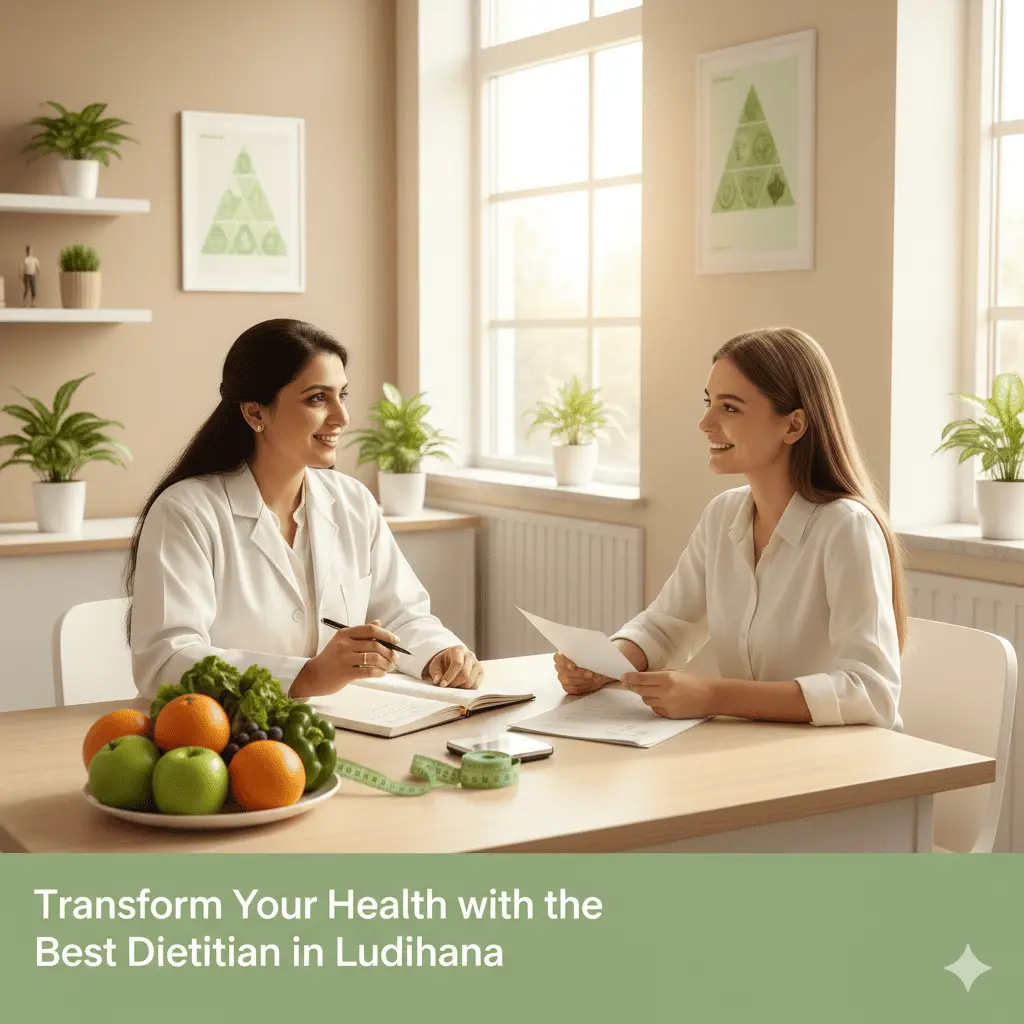
Transform Your Health with the Best Dietitian in Ludhiana

Transform Your Health with the Best Dietitian in Ludhiana

Are you fed up with attempting every diet fad and failing to see any change? The fact is that getting the right advice is more important for your health journey than taking short cuts. You can naturally and sustainably reach your wellness, weight loss, and fitness objectives with the assistance of Ludhiana’s top dietitian.

Expert dietitians at Fitly Diet Clinic think that eating right is more important for optimal nutrition than cutting back on food. Let’s find out how a qualified Ludhiana dietitian can improve your health from the inside out.

Best Dietitian in Ludhiana

The Significance of a Dietitian in Ludhiana

The majority of people in today’s hectic lives either eat processed foods, skip meals, or adhere to arbitrary online diet plans. Fatigue, weight gain, hormonal imbalance, and poor digestion are frequently the results of this. A Ludhiana certified nutritionist assists you in determining what your body actually requires.

Here’s why it’s important to speak with a qualified dietitian:

  • Enhanced immunity and energy levels
  • Better control over diabetes, PCOS, and thyroid issues 
  • Personalized meal plans based on your body type and medical needs
  • Healthy, sustainable weight management

Every plan at Fitly Diet Clinic is tailored to your objectives, way of life, and medical background rather than using generic online charts.

Dietitians in Ludhiana Can Assist You in Managing Health Concerns

1. Gaining and Losing Weight

Regardless of your objectives—weight loss or healthy weight gain—the best dietitian in Ludhiana creates a calorie-balanced plan that is rich in protein, fiber, and essential micronutrients.

2. Hormonal Health and PCOS

PCOS is a common issue among women in Ludhiana. A personalized diet that incorporates hormone-balancing nutrients, low-GI carbohydrates, and anti-inflammatory foods can help you regain your health naturally.

3. Metabolism and the Thyroid

To enhance thyroid hormone production and metabolism, your dietitian recommends foods high in iodine and selenium.

4. Management of Diabetes

The secret to stable blood sugar levels is proper diet control. Diabetic patients can experience true food freedom without sacrificing flavor with the knowledgeable assistance of Fitly Diet Clinic.

5. Digestive Wellbeing

A gut-healing diet full of probiotics and plenty of water can help if you frequently experience bloating or acidity. 🩺 Were you aware? One of the best foundations for long-term health, according to the World Health Organization, is a balanced diet. Consult the WHO Nutrition Guidelines for more information.

Personalized Diet Plans Offered by Fitly Diet Clinic

At Fitly Diet Clinic, every plan is 100% customized — because one size never fits all.

Goal

Type of Diet Plan

Duration

Features

Weight Loss

Balanced Calorie Deficit Plan

4–12 weeks

Portion control, weekly tracking

Weight Gain

High-Protein Nutrient Plan

6–10 weeks

Energy-dense meals, progressive results

PCOS

Hormone Balancing Diet

8 weeks

Anti-inflammatory, sugar-free

Diabetes

Low-GI Carb-Controlled Diet

12 weeks

Sugar management, fiber-rich meals

Detox

Liver & Gut Cleansing Plan

2 weeks

Natural detox smoothies

Bridal Glow

Skin & Hair Focused Diet

4–8 weeks

Beauty-boosting nutrients

Each program includes WhatsApp support, meal feedback, and follow-up sessions to ensure visible progress.

How to Pick Ludhiana’s Top Dietician

Before selecting a nutritionist in your area, take into account the following factors:

  1. Qualifications: Verify that they possess an accredited degree in dietetics or nutrition.
  2. Customer testimonials: Examine actual success stories on the internet.
  3. Scientific Approach: Steer clear of anyone pushing pills or crash diets.
  4. 4. Communication: Your dietitian should be aware of your preferences and way of life.
  5. Online Consultation Availability: You can access it even if you’re not in Ludhiana.

You can begin your journey right now by simply scheduling a consultation with a qualified specialist at Fitly Diet Clinic.

Working with a professional dietitian has several advantages, including:
  • Increasing your metabolism naturally;
  • Improving your energy and focus; 
  • Improving the health of your skin and hair;
  • Stabilizing hormones and lowering inflammation; 
  • Assisting in maintaining a long-term, positive relationship with food

By adhering to straightforward, practical diet plans created by experts, actual clients in Ludhiana have seen incredible changes.

Ludhiana Online Diet Consultation

Have a hectic schedule? No issue! Professional nutrition advice is now available online.

You can get your diet plan digitally with weekly progress reports and WhatsApp support by using Fitly Diet Clinic’s online consultation.

Benefits

  • Flexible scheduling
  • virtual follow-ups and check-ins 
  • easy access from any location
  •  time and money savings
Useful Advice from Ludhiana’s Top Dietitian
  1. To maintain an active metabolism, eat small, frequent meals.
  2. Opt for whole grains rather than refined flour.
  3. Drink plenty of water all day long.
  4. Don’t skip breakfast because it determines how quickly your metabolism works.
  5. Give exercise, stress reduction, and sleep top priority

Fitly Diet Clinic promotes a well-rounded lifestyle by integrating mindfulness, hydration, and nutrition.

Sample One-Day Balanced Diet Plan

Time

Meal

Example

7:30 AM

Morning Detox

Lemon water with chia seeds

8:30 AM

Breakfast

Oats, nuts, and banana smoothie

11:00 AM

Mid-Morning Snack

Buttermilk or fruit bowl

1:00 PM

Lunch

Multigrain roti, dal, salad, and veggies

4:00 PM

Snack

Green tea with roasted makhana

7:30 PM

Dinner

Grilled paneer, sautéed veggies, or soup

The Science of Tailored Diet

Because each person’s body is different, what suits one person may not suit another. Before creating your plan, the top dietitian in Ludhiana considers your medical history, activity level, and BMR (basal metabolic rate).

Instead of causing short-term weight swings, this customized approach guarantees long-term fat loss, hormonal balance, and enhanced gut health.

Client Changes: Actual Outcomes

“I lost nine kilograms in three months without going hungry after speaking with Fitly Diet Clinic. My PCOS symptoms have significantly improved. Simran, Ludhiana

“Losing weight felt effortless thanks to their personalized meal plan and ongoing support!” Rohit from Chandigarh

The Reasons Fitly Diet Clinic Is One of Ludhiana’s Best Dietitians

  • Dietitians with certification and experience 
  • emphasis on natural, sustainable results
  • simple follow-ups and support system
  • availability of both in-person and online consultations
  • completely customized plans (no generic templates)

Explore all of the services, success stories, and health initiatives at Fitly Diet Clinic.

FAQs – Frequently Ask Question

 A1. Fitly Diet Clinic is one of the best diet clinics in Ludhiana, offering customized plans for weight loss, diabetes, and hormonal health.

 A2. Yes, experienced dietitians create meal plans that balance hormones and improve thyroid function naturally.

 A3. Absolutely! Online diet plans offer the same level of personalization and expert follow-ups.

 A4. Visible improvements usually appear within 3–4 weeks of following a consistent, customized plan.

 A5. Meal plans, grocery guides, weekly reviews, and lifestyle tips — all tailored to your health goals.

Conclusion

lecting the appropriate specialist is the first step in your health journey. You’re embracing a healthier, more self-assured version of yourself when you work with the top dietitian in Ludhiana.

The “perfect time” is now, so don’t wait for it. 

👉 Begin your journey with Fitly Diet Clinic and allow customized nutrition to transform your way of life.

Pregnancy & Post Pregnancy

Best Nutrition Tips During Pregnancy & Post-Pregnancy Recovery

One of the most important times in a woman’s life is during pregnancy. To protect the health of both mother and child, it necessitates paying close attention to diet, lifestyle, and wellness. Healthy fetal growth is supported by proper nutrition, which also lowers pregnancy complications and increases the mother’s energy levels.

We place a strong emphasis on individualized nutrition plans at Fitly Diet Clinic: Your Complete Guide to Nutrition, Lifestyle & Wellness in order to make every stage of pregnancy and recovery easier, healthier, and more empowering.

This guide will provide you with evidence-based dietary recommendations for both pregnancy and the postpartum period, along with helpful suggestions and professional opinions.

healthy foods for pregnant women
The Importance of Proper Nutrition During and After Pregnancy

Pregnancy is about eating wisely for two lives, not just “eating for two.”

  • Healthy fetal growth and development, 
  • lowering the risk of complications (such as gestational diabetes or anemia), boosting the mother’s immunity,
  • promoting lactation and energy requirements,
  • facilitating postpartum recovery 
  • all depend on the proper ratio of macro and micronutrients.

Our Pregnancy and Post-Pregnancy Diet Plans at Fitly Diet Clinic integrate gut health, balanced nutrition, and general wellness with an emphasis on a holistic approach.

Healthy Pregnancy Nutrition Advice

Nutrient-dense but calorie-conscious, pregnancy nutrition should emphasize building blocks for both the mother and the unborn child.

1. Give Macronutrients Priority

A diet that is well-balanced contains the appropriate amount of:

  • Protein: Found in lean meats, eggs, legumes, dairy products, and tofu; essential for the development of fetal tissue.
  • Good Fats: For the development of the brain and nerves (avocado, nuts, seeds, fatty fish).
  • Complex Carbohydrates: Found in whole grains, quinoa, brown rice, and oats, these provide long-lasting energy.

2. Essential Micronutrients for Expectant Mothers

Micronutrients are essential for preventing problems and encouraging a safe pregnancy.

  • Folic acid: Lowers the chance of neural tube defects.

o Included: citrus fruits, leafy greens, and fortified cereals.

  • Iron: Increases vitality and prevents anemia.

o Included: red meat, beans, lentils, and spinach.

  • Vitamin D and calcium help to strengthen both the mother’s and the baby’s bones.

o Found in: milk, yogurt, plant-based milk that has been fortified, and exposure to sunlight.

  • Omega-3 Fatty Acids: Promotes the growth of the brain and eyes.

o Contains salmon, chia seeds, and walnuts.

3. Drinking enough water is a must.

To maintain amniotic fluid levels and avoid dehydration-related problems like headaches and exhaustion, pregnant women should consume 8 to 10 glasses of water per day.

4. Meal Timing & Portion Control

  • To lessen nausea and acidity, choose five to six small meals rather than large ones.
  • To avoid constipation, eat foods high in fiber, such as fruits, vegetables, and whole grains.

5. Items to Steer Clear of During Pregnancy

  • Dairy products that have not been pasteurized (risk of infection)
  • Raw or undercooked fish, eggs, and meat;
  • processed and high-sugar foods; 
  • too much caffeine (no more than 200 mg per day)
  • Alcohol (avoid at all costs)

Nutrition for Post-Pregnancy Recovery

Recovery after childbirth is equally important. A diet high in nutrients promotes lactation, boosts energy levels, speeds up the body’s healing process, and replenishes lost nutrients.

1. Pay Attention to Healing Nutrients

  • Protein: Aids in tissue repair and recuperation.
  • Iron: Replaces blood lost during childbirth.
  • Vitamin C: Increases immunity and promotes wound healing.
  • Vitamin D and calcium: Promote healthy bones while nursing.

2. New Mothers’ Superfoods

  • Fenugreek seeds: Aid in lactation.
  • Whole Grains: Control digestion and supply energy.
  • Leafy greens: High in calcium and iron.
  • Nuts and seeds: Add good fats to milk to improve its quality.
  • Bone broths: fortify tissues and replenish minerals.

3. Drinking Water During Lactation

To sustain milk production and general hydration, nursing moms require two to three liters of water per day.

4. Foods to Limit During Postpartum Period

  • Too much caffeine (affects the baby’s sleep cycle)
  • Processed, sugary foods (causes energy crashes and slows recovery)
  • Heavy and fried foods (which can upset the stomach)
Lifestyle Tips for a Healthy Pregnancy & Recovery
  • With a doctor’s permission, perform gentle exercises (such as postpartum stretching and prenatal yoga).
  • Make getting enough sleep and managing stress a priority.
  • • For individualized meal plans, consult a registered dietitia
Related Services at Fitly Diet Clinic

At Fitly Diet Clinic: Your Complete Guide to Nutrition, Lifestyle & Wellness, you can access a wide range of services that complement pregnancy and recovery:

External Resources for Further Reading

Frequently Ask Question (FAQ)

A diet rich in protein, folate, calcium, and omega-3 fatty acids is ideal.

Aim for 8–10 glasses per day to stay hydrated and maintain healthy amniotic fluid.

Yes, most women need folic acid, iron, and calcium supplements, but always consult a doctor first.

You can begin a gentle, nutrient-rich diet immediately after delivery, guided by a certified dietitian.

Fenugreek seeds, whole grains, leafy greens, and nuts are known to enhance lactation.

Yes, low-impact exercises like prenatal yoga and walking are generally safe after medical consultation.

Yes, inadequate nutrition can lead to low birth weight, developmental delays, or future metabolic issues.

Follow a personalized pregnancy diet plan and avoid overeating or processed foods.

A nutritious diet is essential for at least the first 6 months of breastfeeding.

We provide customized nutrition plans, lifestyle guidance, and wellness support to ensure a smooth pregnancy and recovery.

Concluding remarks

A healthy pregnancy and a speedy recovery after giving birth depend heavily on nutrition. Both mother and child benefit from a balanced diet and appropriate lifestyle modifications.

Our customized nutrition plans at Fitly Diet Clinic: Your Complete Guide to Nutrition, Lifestyle & Wellness cover every phase of pregnancy, lactation, and recovery, enabling women to face motherhood with courage and self-assurance.

PCOS Diet Plan

Introduction: Diet and Lifestyle: The Secret to Managing PCOS

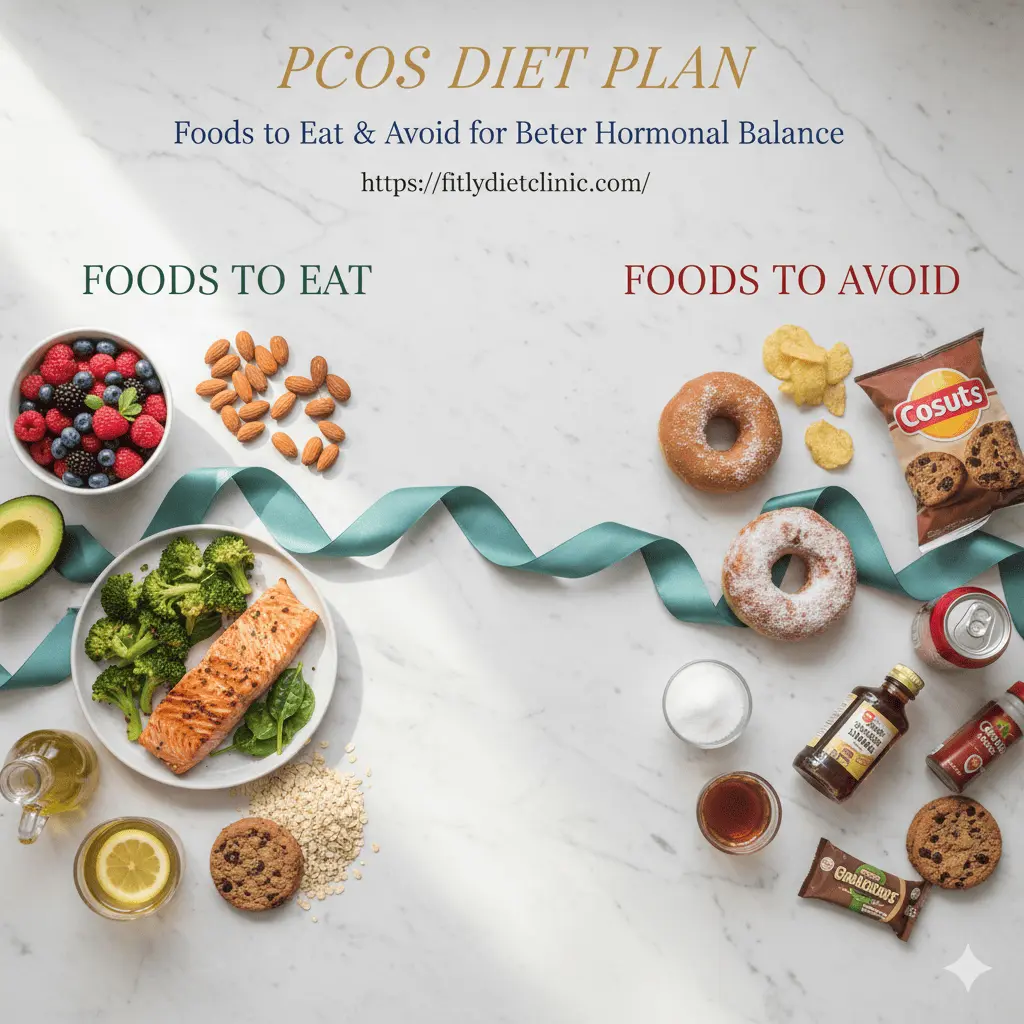
Millions of women worldwide suffer from a hormonal condition known as polycystic ovarian syndrome, or PCOS. PCOS is more than just irregular periods; it can also affect fertility, increase hair growth, lead to acne, cause weight gain, and even increase the risk of heart disease and diabetes.

Hormonal imbalance, particularly with regard to insulin and androgens (male hormones), is one of the main issues that women with PCOS deal with. Research shows that diet and lifestyle modifications are the most effective way to naturally control PCOS, even though medications can help manage symptoms.

Customized diet plans for women with PCOS are our specialty at Fitly Diet Clinic – Your Complete Guide to Nutrition, Lifestyle & Wellness. These programs focus on long-term hormonal balance, enhanced quality of life, and symptom control.

PCOS Diet Plan

What is PCOS and Why Diet Is Important

PCOS is mostly associated with:

  1. nsulin resistance: This condition causes the body’s cells to not react to insulin as well, which raises blood sugar levels and causes weight gain.
  2. Hormonal imbalance: Acne, hair growth, and infertility are caused by elevated androgens.
  3. Inflammation: Prolonged low-grade inflammation exacerbates symptoms.

A diet is necessary because

  • Foods with a high glycemic index (GI) raise blood sugar levels and exacerbate insulin resistance.
  • Processed foods and unhealthy fats make inflammation worse.
  • Hormone regulation, ovulation, and weight management are all supported by balanced, nutrient-rich foods.

 Visit our Pillar Page for a more comprehensive look at how nutrition promotes health.

PCOS Dietary Foods

1. The Insulin Balancers: High-Fiber Foods

Fiber slows down digestion and keeps blood sugar levels from rising too quickly. This promotes weight loss, improves gut health, and manages insulin resistance.

For instance:

  • Fruits: berries, apples, pears, and oranges
  • Vegetables: broccoli, spinach, kale, and cauliflowe
  • Whole grains: oats, brown rice, and quinoa
  • Legumes: lentils, beans, and chickpeas

PCOS Nutrition and Gut Health

2. The Hormone Supporters: Lean Proteins

Protein increases metabolism, maintains muscle health, and balances blood sugar.

For instance:

  • Eggs
  • Lean chicken and turkey; 
  • fish (salmon, tuna, and mackerel);
  •  plant proteins (lentils, tofu, edamame, and beans)

Advice 👉 To slow the release of glucose, combine protein with carbohydrates high in fiber.

3. Hormonal Regulators: Good Fats

Not all fats are harmful. The proper fats lower inflammation and promote the synthesis of hormones.

  • Examples include:
  •  Avocado
  •  nuts and seeds (walnuts, chia seeds, flaxseeds, and pumpkin seeds)
  •  coconut and olive oils.
  •  Fatty fish, such as mackerel and sardines

Hormonal Imbalance Diet Plans

4. The Sugar Controllers: Low Glycemic Index (GI) Foods

Foods with a low GI release energy gradually, avoiding insulin spikes.

Examples

  • include using whole wheat chapati in place of white bread  
  • sweet potatoes in place of white potatoes.
  •  Green leafy vegetables in place of refined rice
  •  Quinoa

5. Foods That Reduce Inflammation: A Guide

One of the hidden causes of PCOS symptoms is inflammation. Anti-inflammatory foods help lessen fatigue, bloating, and acne.

Examples include

  • tomatoes
  • ginger
  • garlic
  • turmeric
  • green tea
  • dark leafy greens.

Avoidable Foods for PCOS

1. Sugar and refined carbohydrates

These foods exacerbate insulin resistance and raise blood sugar levels.

  • Pastries, pasta, and white bread
  • Sugary beverages
  • Cereals that have been processed

2. Junk and processed foods

These foods encourage inflammation and weight gain because they are high in sodium and bad fats.

  •  Burgers, fries, and pizza
  •  Packaged snacks, instant noodles, and chips

3. Dairy (sometimes)

Dairy products can cause hormonal imbalances and increased acne in certain women. Try oat milk, soy milk, or almond milk as substitutes.

4. Processed and Red Meats

connected to increased inflammation. Limiting is the best course of action.

  •  Hot dogs, sausages, and bacon
  •  High-fat pork or beef

5. Too Much Alcohol and Caffeine

Increases the stress hormone cortisol, which exacerbates PCOS symptoms.

Key Nutrients in PCOS:

Magnesium (found in spinach, almonds, and pumpkin seeds): Enhances insulin sensitivity

  • Vitamin D: Controls fertility and the menstrual cycle (sunlight, fortified milk, salmon)
  • Omega-3 fatty acids: Cut down on androgens and inflammation (fish oil, chia seeds, walnuts)
  •  Zinc: Found in chickpeas, oysters, and pumpkin seeds; aids in acne and hair growth.
  • Iron: Handles heavy meals (lentils, lean meat, and spinach).

Examples of PCOS Diet Plans

👉 One-Day Indian PCOS Diet Plan

  • Breakfast: Vegetable oats upma with flaxseeds + green tea
  • Mid-Morning Snack: Apple slices + handful of almonds
  • Lunch: Brown rice + dal + grilled paneer + spinach sabzi
  • Evening Snack: Roasted chana + herbal tea
  • Dinner: Grilled fish or tofu + quinoa + sautéed broccoli

Western PCOS Diet Plan

  • Breakfast: Overnight oats with chia seeds & berries
  • Mid-Morning Snack: Boiled egg + walnuts
  • Lunch: Grilled chicken with quinoa & kale salad
  • Evening Snack: Hummus with cucumber & carrot sticks
  • Dinner: Baked salmon + sweet potato + asparagus

Lifestyle Changes to Support PCOS Diet

  • Exercise daily – walking, yoga, HIIT, strength training
  • Prioritise sleep – 7–8 hours reduces cortisol & insulin resistance
  • Stress management – meditation, journaling, deep breathing
  • Hydration – 2–3 litres water daily

According to the Mayo Clinic, nutrition and weight management remain the first-line treatment for PCOS before medications. This proves how critical diet is in reversing symptoms.

FAQs on PCOS Diet Plan

 No, but diet can significantly reduce symptoms and restore hormonal balance.

 Yes, but only if guided by an expert. It may improve insulin sensitivity in some women.

 Berries, pears, apples, and citrus fruits are ideal due to their low GI.

 Not always. Some tolerate dairy, but if acne worsens, switch to plant-based alternatives.

A balanced, sustainable diet works better long term than extreme diets like keto.

What Our Client Say

Ananya S. Mumbai

I struggled with irregular periods and weight gain due to PCOS for years. After following the PCOS diet plan suggested in this blog, I started noticing improvements within a few weeks. My energy levels are up, and I finally feel more in control of my health.

Riya K. Bangalore

The guidance in this PCOS diet plan is simple yet effective. The focus on whole foods and portion control helped me lose 6 kg in three months, and my hormonal fluctuations became much more manageable.

Sneha P. Delhi

I had tried many diets before, but nothing worked for my PCOS symptoms. The tips from this company were realistic and easy to stick to. Within two months, my cycle became more regular, and I feel healthier overall.

In conclusion

Although PCOS can feel overwhelming, you can take back control of your health with the correct dietary approach. Lean proteins, healthy fats, fiber-rich foods, and anti-inflammatory meals promote hormone balance, cycle regulation, and weight management.

We at Fitly Diet Clinic – Your Complete Guide to Nutrition, Lifestyle & Wellness offer personalized PCOS diet plans based on your physical characteristics, way of life, and health requirements. Our strategy is result-driven, scientifically grounded, and sustainable.

👉 Make an appointment with Fitly Diet Clinic to begin your transformation and take the first step toward hormonal balance right now.

How to Stay on Track With Your Diet When Life Gets Busy

How to Stay on Track With Your Diet When Life Gets Busy

Life doesn’t often slow down. It can be hard to find time to eat healthy when you have work deadlines, family obligations, or social commitments. A lot of people start off strong with their nutrition goals, but when things get busy, they go back to their old ways.

We at Fitly Diet Clinic think that eating healthy doesn’t have to be hard. You can stick to your diet even when life gets really busy if you plan ahead, use the right strategies, and get help from professionals.

No matter how busy you are, this guide will show you exactly how to stick to your diet.

stay on track with diet when busy
Why busy lives make it hard to stick to a diet

Before we talk about strategies, let’s look at why it’s so hard to stick to a diet when you have a lot going on:

  • Time limits: Long hours make it feel like cooking is impossible.
  • Convenience temptations: Fast food looks like it will be faster and easier.
  • Stress eating means that stress from work or life makes you want sugary or fried foods.
  • Not eating enough meals—irregular eating patterns happen when you don’t have enough time.
  • Decision fatigue: When you have to make decisions all day, you start to make bad food choices.

You don’t have to give up just because of this. It just means you need plans that work with how you live your life, not against it.

1. Plan your meals realistically first

Meal planning is the key to staying on track. People who are busy often grab the first food option they see, which is usually unhealthy.

  • Set aside one day a week to plan out your meals.
  • Pick easy, repeatable meals that don’t take a long time to make.
  • Plan snacks and meals so that you never go hungry.

Planning meals isn’t about getting it right every time. It’s about lowering stress and making healthy choices second nature.

👉 Check out our About Us page to learn more about our philosophy and how we create personalized diet plans.

2. Cook in bulk and plan meals

Meal prepping saves you a lot of time during the week. You can make healthy meals for a few days by spending just two hours on a Sunday.

  • Make a lot of rice or quinoa at once.
  • Roast vegetables to use in more than one meal.
  • Grill lean meats that you can use in salads, wraps, or bowls.
  • Put meals in containers that are the right size for one person so you can grab and go.

Pro tip: Put extra food in the freezer so you have meals ready for busy days.

👉 Check out our Resources section for practical guides. You’ll find simple, time-saving tips that work for busy people.

3. Always have healthy snacks on hand

When you’re hungry and don’t have any food, the vending machine or drive-thru looks good. Instead, have healthy snacks on hand.

Some great choices are:

  • Seeds and nuts
  • Fruit that is fresh
  • Protein bars with little sugar
  • Yogurt from Greece
  • Chickpeas that have been roasted

These not only save you time, but they also keep your energy steady all day.

👉 Want proof that these kinds of simple strategies work? Check out our Success Stories to see how clients have changed their lives with small but powerful changes.

4. Don’t skip meals

Not eating meals may seem like a good way to save time or calories, but it usually doesn’t work. Not eating breakfast or lunch often makes you eat too much later in the day.

Instead:

  • Get meals ready that are quick and full of nutrients.
  • Smoothies, overnight oats, and protein shakes are quick options.
  • Try to eat three balanced meals and one or two snacks every day.

5. Choose more wisely when it comes to convenience

You might need to eat out or get something to go sometimes. The most important thing is to make smart changes.

  • Pick grilled food over fried food.
  • Put in more vegetables when you can.
  • Choose whole grains, like brown rice and whole wheat wraps.
  • Be careful with how much you eat, especially sauces and dressings.

6. Drink plenty of water

A lot of the time, what you think is hunger is actually thirst. Drinking enough water can help you control your cravings and keep your energy level steady.

  • Always have a water bottle with you.
  • Drink before you eat.
  • Put herbs or fruit in water to make it taste better.

7. Eat with awareness

It’s normal to eat while working, driving, or scrolling through your phone when life gets busy. Because you’re not paying attention to what your body is telling you, this makes you eat too much.

What does mindful eating mean?

  • Eating slowly and without any distractions.
  • Paying attention to your body’s signals of hunger and fullness
  • Instead of rushing, enjoy every bite.

8. Make people responsible

One of the best ways to stay consistent is to be accountable. It could be keeping track of what you eat, talking to a coach, or joining a support group.

Every program at Fitly Diet Clinic includes a way to hold people accountable. You don’t have to go through your journey alone with the help of experts.

👉 Are you ready to stay the same? Get in touch with us through our Contact Us page, and we’ll work together to make a plan

9. Be open to change

The best diet is one that you can stick to for a long time. That means leaving room for change. If you go to a birthday party and eat dessert, don’t think of it as a failure. Just eat healthier meals later to make up for it.

Every time, consistency beats perfection.

10. Get Help from a Professional

Getting help from an expert can sometimes be the quickest way to success. A nutritionist can make a plan just for you that saves you time and keeps you from getting confused.

If you get the right help, you’ll have a plan that works perfectly with your busy life.

Learn more about how we work with clients and look at our services right from the Home Page.

Frequently Ask Question (FAQ)

Start with weekly meal planning and batch cooking. It reduces stress and saves time.

 Yes — if you make smart choices like grilled foods, salads, and controlled portions.

 No. Skipping meals usually leads to cravings and overeating later. Small, balanced meals work better.

 Healthy options like nuts, yogurt, fruit, and protein bars keep you full without excess calories.

 Through customized diet plans, accountability, and long-term strategies tailored to real-life schedules.

With my hectic schedule, sticking to a diet always felt impossible. This post gave me realistic strategies — prep ahead, choose smart snacks, and plan meals. Now even on my busiest days, I manage to eat well without stress.

Anika R. Delhi

I always skipped breakfast or grabbed junk when work got overwhelming. Thanks to the tips here, I now keep healthy options ready and meal prep on Sundays. The difference in my energy throughout the week is amazing.

Sophie M. Mumbai

The suggestions for planning meals, prioritizing protein, and using downtime smartly have helped me maintain consistency. Before, crazy deadlines meant unhealthy eating — now I even carry healthy snacks so I don’t make poor choices.

Neha K. Hyderabad
Last Thoughts

Your health goals don’t have to go off track just because you’re busy. You can stick to your diet even when life gets busy if you plan ahead, prepare your meals, eat mindfully, and have someone to hold you accountable.

We at Fitly Diet Clinic give you tips that work in the real world. Check out our About Us page to learn more about our beliefs, read Success Stories to get inspired, and find free tools in our Resources section.

👉 When you’re ready to move forward, get in touch with us through our Contact Us page.