Blog

How to Gain Weight Naturally: Effective Tips, Diet Plan, and Lifestyle Changes

How to Gain Weight Naturally: Effective Tips, Diet Plan, and Lifestyle Changes

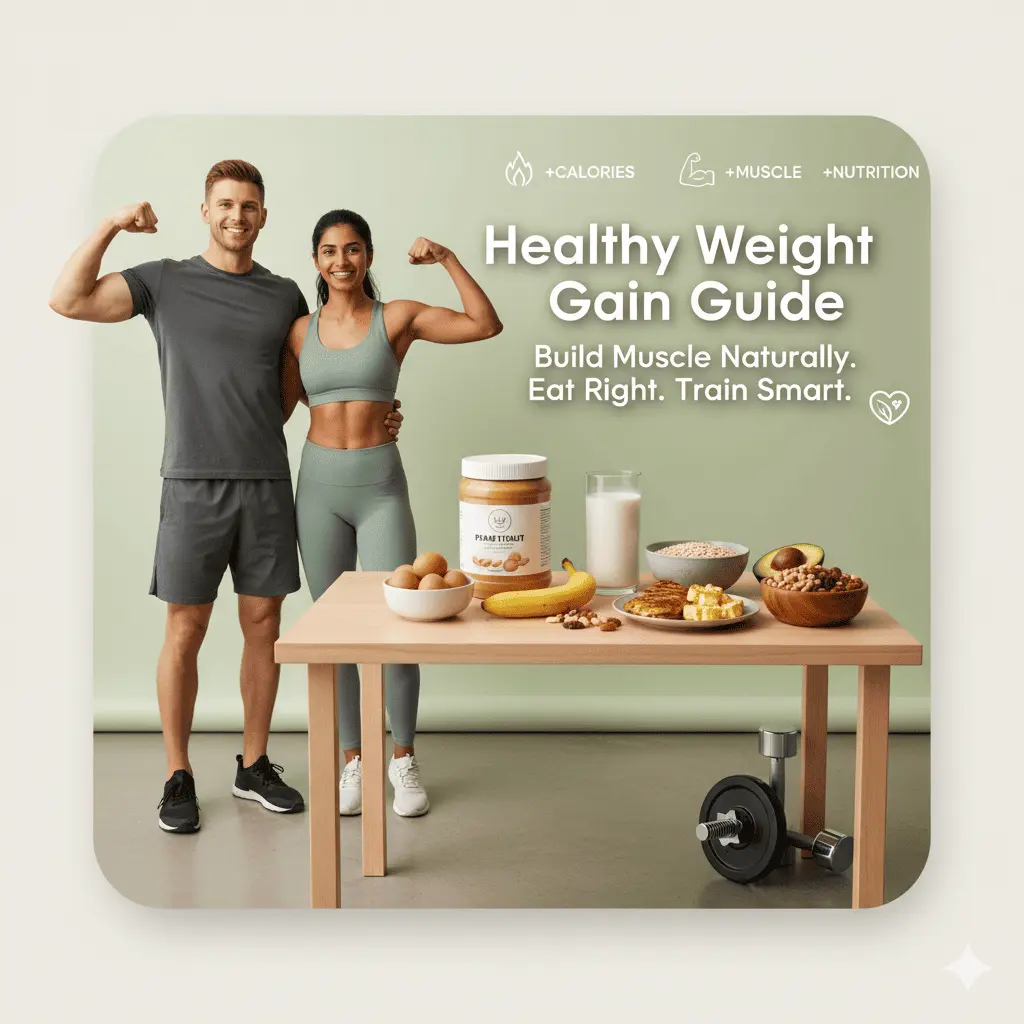
For many people, gaining weight can be just as difficult as losing it. Although weight loss is frequently emphasized by society, healthy weight gain is just as significant, particularly for underweight people. Knowing the proper strategy is essential whether you have a high metabolism, are recuperating from an illness, or just wish to gain lean muscle mass.

At Fitly Diet Clinic, we provide individualized diet plans, professional advice, and lifestyle changes to help people safely gain weight. This guide will offer you tried-and-true methods, diets, and workouts to help you put on weight naturally.

diet plan for weight gain

The Importance of Healthy Weight Gain

Being underweight can affect your general health in addition to appearance. Underweight individuals are susceptible to:

  • Deficiencies in certain nutrients
  • Low energy and fatigue; 
  • Hormonal imbalances; 
  • Weakened immunity

Gaining weight in a healthy way guarantees that the excess weight is made up of lean muscle rather than bad fat. It increases general well-being, strength, and confidence.

Understanding Healthy Weight Gain

Some common questions people search for include:

We will address all of these in this guide.

How to Naturally Put on Weight

1. Gradually Increase Your Calorie Intake

A caloric surplus, or eating more calories than your body expels, is necessary for weight gain. For long-term weight gain, a gradual increase of 300–500 calories per day is best.

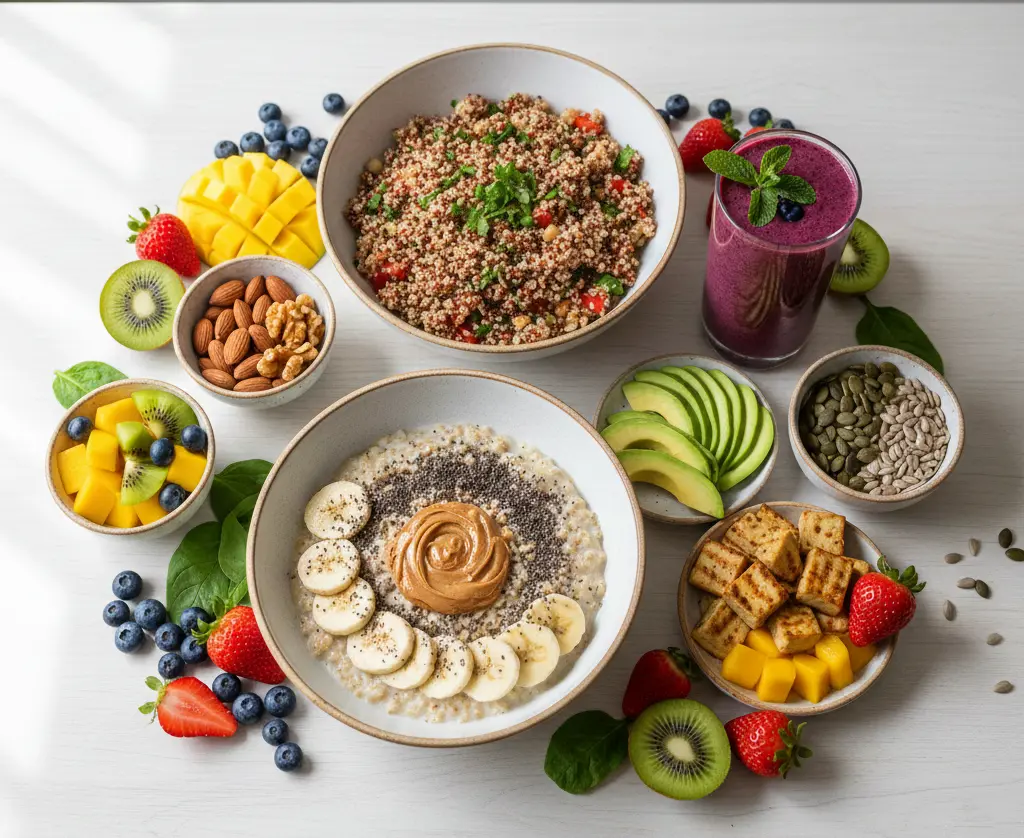
Prioritize nutrient-dense foods like:

  • Whole grains (quinoa, brown rice, and oats); 
  • Nuts and seeds (almonds, walnuts, and sunflower seeds)
  • Healthy oils (olive, coconut, and avocado oils).
  • Dairy goods, such as cheese, yogurt, and milk

Relying too much on junk food can lead to weight gain rather than the development of lean muscle.

2. Consume foods high in protein.

For muscles to grow and repair, protein is necessary. Include the following for a healthy weight gain: 

  •  Eggs and egg whites
  •  Lean meats, poultry, and turkey; 
  •  Fish, such as salmon or tuna
  •  Legumes, paneer, and tofu
  •  If necessary, protein shakes

For people attempting to gain muscle, a protein intake of 1.5–2 grams per kilogram of body weight is advised.

3. Incorporate Nutritious Fats

In addition to being high in calories, fats supply vital fatty acids for hormone regulation and energy production. 

  • Avocado,
  • olive oil, 
  • coconut oil,
  • peanut butter,and other nut butters 
  • are good sources of fat, as are fatty fish like salmon and mackerel.

Advice: For an additional calorie boost, add 1-2 tablespoons of nut butter or olive oil to meals or smoothies.

4. Eat Often

Aim for five to six smaller meals per day rather than three large ones. You can consume more calories without feeling overly full when you eat frequently.

Ideas for high-calorie snacks:

  • Trail mix containing dried fruits, nuts, and seeds
  • Milk, banana, peanut butter, and protein powder smoothies
  • Greek yogurt topped with granola and honey
  • Whole-grain crackers with cheese or cottage cheese

5. Strength Training to Build Muscle

Resistance training guarantees that the weight you gain is muscle rather than fat, even though eating more calories is still important. Concentrate on compound exercises that target several muscles at once:

  • Lunges and squats
  • deadlifts
  • bench presses 
  • push-ups and pull-ups

Advice: For optimal effects, train three to four times a week and gradually increase the weights.

6. Drink plenty of water and get enough sleep.

Sleep promotes muscle recovery, and water helps with digestion and nutrient absorption. Try to get 

  • 7–8 hours of sleep every night 
  • consume 2-3 liters of water each day.
Sample 1-Week Weight Gain Diet Plan

Meal

Food Options

Notes

Breakfast

Oatmeal with milk, banana, almonds, honey

High-calorie and nutrient-dense

Mid-Morning Snack

Peanut butter sandwich or smoothie

Easy calorie addition

Lunch

Brown rice, chicken/paneer, mixed vegetables

Balanced carbs + protein

Evening Snack

Greek yogurt with granola, seeds

Protein and healthy fats

Dinner

Whole wheat chapati, lentils/fish, vegetables

Fiber + protein

Bedtime Snack

Milk with almonds or cottage cheese

Supports overnight muscle recovery

Tip: Adjust portions according to calorie requirements.

Lifestyle Practices to Promote Weight Gain:
  • Prefer strength training over excessive cardio;
  • Avoid missing meals; 
  • consistency is essential; 
  • Monitor your weight gain progress every week;
  • Use relaxation methods, yoga, or meditation to reduce stress.
Foods That Help You Put on Weight Quickly

Among the greatest foods for quick, healthful weight gain are:

  1. Nuts and Nut Butters: Rich in calories and protein
  2. Whole Grains: Whole wheat bread, quinoa, brown rice, and oats
  3. Dairy Products: Paneer, yogurt, cheese, and milk
  4. Lean Fish & Meat: Salmon, Turkey, and Chicken
  5. Nutritious Fats & Oils: Avocado, coconut, and olive
  6. Legumes and Beans: kidney beans, chickpeas, and lentils

Strength training combined with these foods guarantees muscle growth rather than fat storage.

 Visit Healthline’s weight gain guide for a more thorough look at foods that will help you gain weight naturally. ✅

Frequently Asked Quetions About Healthy Weight Gain

 A: Eat calorie-dense, nutrient-rich foods, focus on protein and healthy fats, and do strength training.

 A: Healthy weight gain is around 0.5–1 kg per week, so 5 kg may take 5–10 weeks.

 A: Yes, by eating frequent meals, increasing calories, and focusing on resistance training.

 A: Nuts, seeds, dairy, whole grains, lean meat, starchy vegetables, and protein shakes.

A: Yes, healthy weight gain is safe if done gradually with balanced diet and exercise.

Important Takeaways

  • Strength training, a diet high in protein, and excess calories can all help you gain weight in a healthy way.
  • You can meet your daily calorie needs by eating nutrient-dense snacks, healthy fats, and frequent meals.
  • Monitor your progress, drink plenty of water, and get enough rest.

Steer clear of junk food and give lean muscle growth top priority.

We at Fitly Diet Clinic provide individualized weight-gain plans based on your requirements. Our knowledgeable dieticians develop personalized diet plans, exercise advice, and lifestyle suggestions to assist you in naturally achieving your ideal weight.

Transform Your Health with the Best Dietitian in Ludhiana

Transform Your Health with the Best Dietitian in Ludhiana

Are you fed up with attempting every diet fad and failing to see any change? The fact is that getting the right advice is more important for your health journey than taking short cuts. You can naturally and sustainably reach your wellness, weight loss, and fitness objectives with the assistance of Ludhiana’s top dietitian.

Expert dietitians at Fitly Diet Clinic think that eating right is more important for optimal nutrition than cutting back on food. Let’s find out how a qualified Ludhiana dietitian can improve your health from the inside out.

Best Dietitian in Ludhiana

The Significance of a Dietitian in Ludhiana

The majority of people in today’s hectic lives either eat processed foods, skip meals, or adhere to arbitrary online diet plans. Fatigue, weight gain, hormonal imbalance, and poor digestion are frequently the results of this. A Ludhiana certified nutritionist assists you in determining what your body actually requires.

Here’s why it’s important to speak with a qualified dietitian:

  • Enhanced immunity and energy levels
  • Better control over diabetes, PCOS, and thyroid issues 
  • Personalized meal plans based on your body type and medical needs
  • Healthy, sustainable weight management

Every plan at Fitly Diet Clinic is tailored to your objectives, way of life, and medical background rather than using generic online charts.

Dietitians in Ludhiana Can Assist You in Managing Health Concerns

1. Gaining and Losing Weight

Regardless of your objectives—weight loss or healthy weight gain—the best dietitian in Ludhiana creates a calorie-balanced plan that is rich in protein, fiber, and essential micronutrients.

2. Hormonal Health and PCOS

PCOS is a common issue among women in Ludhiana. A personalized diet that incorporates hormone-balancing nutrients, low-GI carbohydrates, and anti-inflammatory foods can help you regain your health naturally.

3. Metabolism and the Thyroid

To enhance thyroid hormone production and metabolism, your dietitian recommends foods high in iodine and selenium.

4. Management of Diabetes

The secret to stable blood sugar levels is proper diet control. Diabetic patients can experience true food freedom without sacrificing flavor with the knowledgeable assistance of Fitly Diet Clinic.

5. Digestive Wellbeing

A gut-healing diet full of probiotics and plenty of water can help if you frequently experience bloating or acidity. 🩺 Were you aware? One of the best foundations for long-term health, according to the World Health Organization, is a balanced diet. Consult the WHO Nutrition Guidelines for more information.

Personalized Diet Plans Offered by Fitly Diet Clinic

At Fitly Diet Clinic, every plan is 100% customized — because one size never fits all.

Goal

Type of Diet Plan

Duration

Features

Weight Loss

Balanced Calorie Deficit Plan

4–12 weeks

Portion control, weekly tracking

Weight Gain

High-Protein Nutrient Plan

6–10 weeks

Energy-dense meals, progressive results

PCOS

Hormone Balancing Diet

8 weeks

Anti-inflammatory, sugar-free

Diabetes

Low-GI Carb-Controlled Diet

12 weeks

Sugar management, fiber-rich meals

Detox

Liver & Gut Cleansing Plan

2 weeks

Natural detox smoothies

Bridal Glow

Skin & Hair Focused Diet

4–8 weeks

Beauty-boosting nutrients

Each program includes WhatsApp support, meal feedback, and follow-up sessions to ensure visible progress.

How to Pick Ludhiana’s Top Dietician

Before selecting a nutritionist in your area, take into account the following factors:

  1. Qualifications: Verify that they possess an accredited degree in dietetics or nutrition.
  2. Customer testimonials: Examine actual success stories on the internet.
  3. Scientific Approach: Steer clear of anyone pushing pills or crash diets.
  4. 4. Communication: Your dietitian should be aware of your preferences and way of life.
  5. Online Consultation Availability: You can access it even if you’re not in Ludhiana.

You can begin your journey right now by simply scheduling a consultation with a qualified specialist at Fitly Diet Clinic.

Working with a professional dietitian has several advantages, including:
  • Increasing your metabolism naturally;
  • Improving your energy and focus; 
  • Improving the health of your skin and hair;
  • Stabilizing hormones and lowering inflammation; 
  • Assisting in maintaining a long-term, positive relationship with food

By adhering to straightforward, practical diet plans created by experts, actual clients in Ludhiana have seen incredible changes.

Ludhiana Online Diet Consultation

Have a hectic schedule? No issue! Professional nutrition advice is now available online.

You can get your diet plan digitally with weekly progress reports and WhatsApp support by using Fitly Diet Clinic’s online consultation.

Benefits

  • Flexible scheduling
  • virtual follow-ups and check-ins 
  • easy access from any location
  •  time and money savings
Useful Advice from Ludhiana’s Top Dietitian
  1. To maintain an active metabolism, eat small, frequent meals.
  2. Opt for whole grains rather than refined flour.
  3. Drink plenty of water all day long.
  4. Don’t skip breakfast because it determines how quickly your metabolism works.
  5. Give exercise, stress reduction, and sleep top priority

Fitly Diet Clinic promotes a well-rounded lifestyle by integrating mindfulness, hydration, and nutrition.

Sample One-Day Balanced Diet Plan

Time

Meal

Example

7:30 AM

Morning Detox

Lemon water with chia seeds

8:30 AM

Breakfast

Oats, nuts, and banana smoothie

11:00 AM

Mid-Morning Snack

Buttermilk or fruit bowl

1:00 PM

Lunch

Multigrain roti, dal, salad, and veggies

4:00 PM

Snack

Green tea with roasted makhana

7:30 PM

Dinner

Grilled paneer, sautéed veggies, or soup

The Science of Tailored Diet

Because each person’s body is different, what suits one person may not suit another. Before creating your plan, the top dietitian in Ludhiana considers your medical history, activity level, and BMR (basal metabolic rate).

Instead of causing short-term weight swings, this customized approach guarantees long-term fat loss, hormonal balance, and enhanced gut health.

Client Changes: Actual Outcomes

“I lost nine kilograms in three months without going hungry after speaking with Fitly Diet Clinic. My PCOS symptoms have significantly improved. Simran, Ludhiana

“Losing weight felt effortless thanks to their personalized meal plan and ongoing support!” Rohit from Chandigarh

The Reasons Fitly Diet Clinic Is One of Ludhiana’s Best Dietitians

  • Dietitians with certification and experience 
  • emphasis on natural, sustainable results
  • simple follow-ups and support system
  • availability of both in-person and online consultations
  • completely customized plans (no generic templates)

Explore all of the services, success stories, and health initiatives at Fitly Diet Clinic.

FAQs – Frequently Ask Question

 A1. Fitly Diet Clinic is one of the best diet clinics in Ludhiana, offering customized plans for weight loss, diabetes, and hormonal health.

 A2. Yes, experienced dietitians create meal plans that balance hormones and improve thyroid function naturally.

 A3. Absolutely! Online diet plans offer the same level of personalization and expert follow-ups.

 A4. Visible improvements usually appear within 3–4 weeks of following a consistent, customized plan.

 A5. Meal plans, grocery guides, weekly reviews, and lifestyle tips — all tailored to your health goals.

Conclusion

lecting the appropriate specialist is the first step in your health journey. You’re embracing a healthier, more self-assured version of yourself when you work with the top dietitian in Ludhiana.

The “perfect time” is now, so don’t wait for it. 

👉 Begin your journey with Fitly Diet Clinic and allow customized nutrition to transform your way of life.

Pregnancy & Post Pregnancy

Best Nutrition Tips During Pregnancy & Post-Pregnancy Recovery

One of the most important times in a woman’s life is during pregnancy. To protect the health of both mother and child, it necessitates paying close attention to diet, lifestyle, and wellness. Healthy fetal growth is supported by proper nutrition, which also lowers pregnancy complications and increases the mother’s energy levels.

We place a strong emphasis on individualized nutrition plans at Fitly Diet Clinic: Your Complete Guide to Nutrition, Lifestyle & Wellness in order to make every stage of pregnancy and recovery easier, healthier, and more empowering.

This guide will provide you with evidence-based dietary recommendations for both pregnancy and the postpartum period, along with helpful suggestions and professional opinions.

healthy foods for pregnant women
The Importance of Proper Nutrition During and After Pregnancy

Pregnancy is about eating wisely for two lives, not just “eating for two.”

  • Healthy fetal growth and development, 
  • lowering the risk of complications (such as gestational diabetes or anemia), boosting the mother’s immunity,
  • promoting lactation and energy requirements,
  • facilitating postpartum recovery 
  • all depend on the proper ratio of macro and micronutrients.

Our Pregnancy and Post-Pregnancy Diet Plans at Fitly Diet Clinic integrate gut health, balanced nutrition, and general wellness with an emphasis on a holistic approach.

Healthy Pregnancy Nutrition Advice

Nutrient-dense but calorie-conscious, pregnancy nutrition should emphasize building blocks for both the mother and the unborn child.

1. Give Macronutrients Priority

A diet that is well-balanced contains the appropriate amount of:

  • Protein: Found in lean meats, eggs, legumes, dairy products, and tofu; essential for the development of fetal tissue.
  • Good Fats: For the development of the brain and nerves (avocado, nuts, seeds, fatty fish).
  • Complex Carbohydrates: Found in whole grains, quinoa, brown rice, and oats, these provide long-lasting energy.

2. Essential Micronutrients for Expectant Mothers

Micronutrients are essential for preventing problems and encouraging a safe pregnancy.

  • Folic acid: Lowers the chance of neural tube defects.

o Included: citrus fruits, leafy greens, and fortified cereals.

  • Iron: Increases vitality and prevents anemia.

o Included: red meat, beans, lentils, and spinach.

  • Vitamin D and calcium help to strengthen both the mother’s and the baby’s bones.

o Found in: milk, yogurt, plant-based milk that has been fortified, and exposure to sunlight.

  • Omega-3 Fatty Acids: Promotes the growth of the brain and eyes.

o Contains salmon, chia seeds, and walnuts.

3. Drinking enough water is a must.

To maintain amniotic fluid levels and avoid dehydration-related problems like headaches and exhaustion, pregnant women should consume 8 to 10 glasses of water per day.

4. Meal Timing & Portion Control

  • To lessen nausea and acidity, choose five to six small meals rather than large ones.
  • To avoid constipation, eat foods high in fiber, such as fruits, vegetables, and whole grains.

5. Items to Steer Clear of During Pregnancy

  • Dairy products that have not been pasteurized (risk of infection)
  • Raw or undercooked fish, eggs, and meat;
  • processed and high-sugar foods; 
  • too much caffeine (no more than 200 mg per day)
  • Alcohol (avoid at all costs)

Nutrition for Post-Pregnancy Recovery

Recovery after childbirth is equally important. A diet high in nutrients promotes lactation, boosts energy levels, speeds up the body’s healing process, and replenishes lost nutrients.

1. Pay Attention to Healing Nutrients

  • Protein: Aids in tissue repair and recuperation.
  • Iron: Replaces blood lost during childbirth.
  • Vitamin C: Increases immunity and promotes wound healing.
  • Vitamin D and calcium: Promote healthy bones while nursing.

2. New Mothers’ Superfoods

  • Fenugreek seeds: Aid in lactation.
  • Whole Grains: Control digestion and supply energy.
  • Leafy greens: High in calcium and iron.
  • Nuts and seeds: Add good fats to milk to improve its quality.
  • Bone broths: fortify tissues and replenish minerals.

3. Drinking Water During Lactation

To sustain milk production and general hydration, nursing moms require two to three liters of water per day.

4. Foods to Limit During Postpartum Period

  • Too much caffeine (affects the baby’s sleep cycle)
  • Processed, sugary foods (causes energy crashes and slows recovery)
  • Heavy and fried foods (which can upset the stomach)
Lifestyle Tips for a Healthy Pregnancy & Recovery
  • With a doctor’s permission, perform gentle exercises (such as postpartum stretching and prenatal yoga).
  • Make getting enough sleep and managing stress a priority.
  • • For individualized meal plans, consult a registered dietitia
Related Services at Fitly Diet Clinic

At Fitly Diet Clinic: Your Complete Guide to Nutrition, Lifestyle & Wellness, you can access a wide range of services that complement pregnancy and recovery:

External Resources for Further Reading

Frequently Ask Question (FAQ)

A diet rich in protein, folate, calcium, and omega-3 fatty acids is ideal.

Aim for 8–10 glasses per day to stay hydrated and maintain healthy amniotic fluid.

Yes, most women need folic acid, iron, and calcium supplements, but always consult a doctor first.

You can begin a gentle, nutrient-rich diet immediately after delivery, guided by a certified dietitian.

Fenugreek seeds, whole grains, leafy greens, and nuts are known to enhance lactation.

Yes, low-impact exercises like prenatal yoga and walking are generally safe after medical consultation.

Yes, inadequate nutrition can lead to low birth weight, developmental delays, or future metabolic issues.

Follow a personalized pregnancy diet plan and avoid overeating or processed foods.

A nutritious diet is essential for at least the first 6 months of breastfeeding.

We provide customized nutrition plans, lifestyle guidance, and wellness support to ensure a smooth pregnancy and recovery.

Concluding remarks

A healthy pregnancy and a speedy recovery after giving birth depend heavily on nutrition. Both mother and child benefit from a balanced diet and appropriate lifestyle modifications.

Our customized nutrition plans at Fitly Diet Clinic: Your Complete Guide to Nutrition, Lifestyle & Wellness cover every phase of pregnancy, lactation, and recovery, enabling women to face motherhood with courage and self-assurance.

PCOS Diet Plan

Introduction: Diet and Lifestyle: The Secret to Managing PCOS

Millions of women worldwide suffer from a hormonal condition known as polycystic ovarian syndrome, or PCOS. PCOS is more than just irregular periods; it can also affect fertility, increase hair growth, lead to acne, cause weight gain, and even increase the risk of heart disease and diabetes.

Hormonal imbalance, particularly with regard to insulin and androgens (male hormones), is one of the main issues that women with PCOS deal with. Research shows that diet and lifestyle modifications are the most effective way to naturally control PCOS, even though medications can help manage symptoms.

Customized diet plans for women with PCOS are our specialty at Fitly Diet Clinic – Your Complete Guide to Nutrition, Lifestyle & Wellness. These programs focus on long-term hormonal balance, enhanced quality of life, and symptom control.

PCOS Diet Plan

What is PCOS and Why Diet Is Important

PCOS is mostly associated with:

  1. nsulin resistance: This condition causes the body’s cells to not react to insulin as well, which raises blood sugar levels and causes weight gain.
  2. Hormonal imbalance: Acne, hair growth, and infertility are caused by elevated androgens.
  3. Inflammation: Prolonged low-grade inflammation exacerbates symptoms.

A diet is necessary because

  • Foods with a high glycemic index (GI) raise blood sugar levels and exacerbate insulin resistance.
  • Processed foods and unhealthy fats make inflammation worse.
  • Hormone regulation, ovulation, and weight management are all supported by balanced, nutrient-rich foods.

 Visit our Pillar Page for a more comprehensive look at how nutrition promotes health.

PCOS Dietary Foods

1. The Insulin Balancers: High-Fiber Foods

Fiber slows down digestion and keeps blood sugar levels from rising too quickly. This promotes weight loss, improves gut health, and manages insulin resistance.

For instance:

  • Fruits: berries, apples, pears, and oranges
  • Vegetables: broccoli, spinach, kale, and cauliflowe
  • Whole grains: oats, brown rice, and quinoa
  • Legumes: lentils, beans, and chickpeas

PCOS Nutrition and Gut Health

2. The Hormone Supporters: Lean Proteins

Protein increases metabolism, maintains muscle health, and balances blood sugar.

For instance:

  • Eggs
  • Lean chicken and turkey; 
  • fish (salmon, tuna, and mackerel);
  •  plant proteins (lentils, tofu, edamame, and beans)

Advice 👉 To slow the release of glucose, combine protein with carbohydrates high in fiber.

3. Hormonal Regulators: Good Fats

Not all fats are harmful. The proper fats lower inflammation and promote the synthesis of hormones.

  • Examples include:
  •  Avocado
  •  nuts and seeds (walnuts, chia seeds, flaxseeds, and pumpkin seeds)
  •  coconut and olive oils.
  •  Fatty fish, such as mackerel and sardines

Hormonal Imbalance Diet Plans

4. The Sugar Controllers: Low Glycemic Index (GI) Foods

Foods with a low GI release energy gradually, avoiding insulin spikes.

Examples

  • include using whole wheat chapati in place of white bread  
  • sweet potatoes in place of white potatoes.
  •  Green leafy vegetables in place of refined rice
  •  Quinoa

5. Foods That Reduce Inflammation: A Guide

One of the hidden causes of PCOS symptoms is inflammation. Anti-inflammatory foods help lessen fatigue, bloating, and acne.

Examples include

  • tomatoes
  • ginger
  • garlic
  • turmeric
  • green tea
  • dark leafy greens.

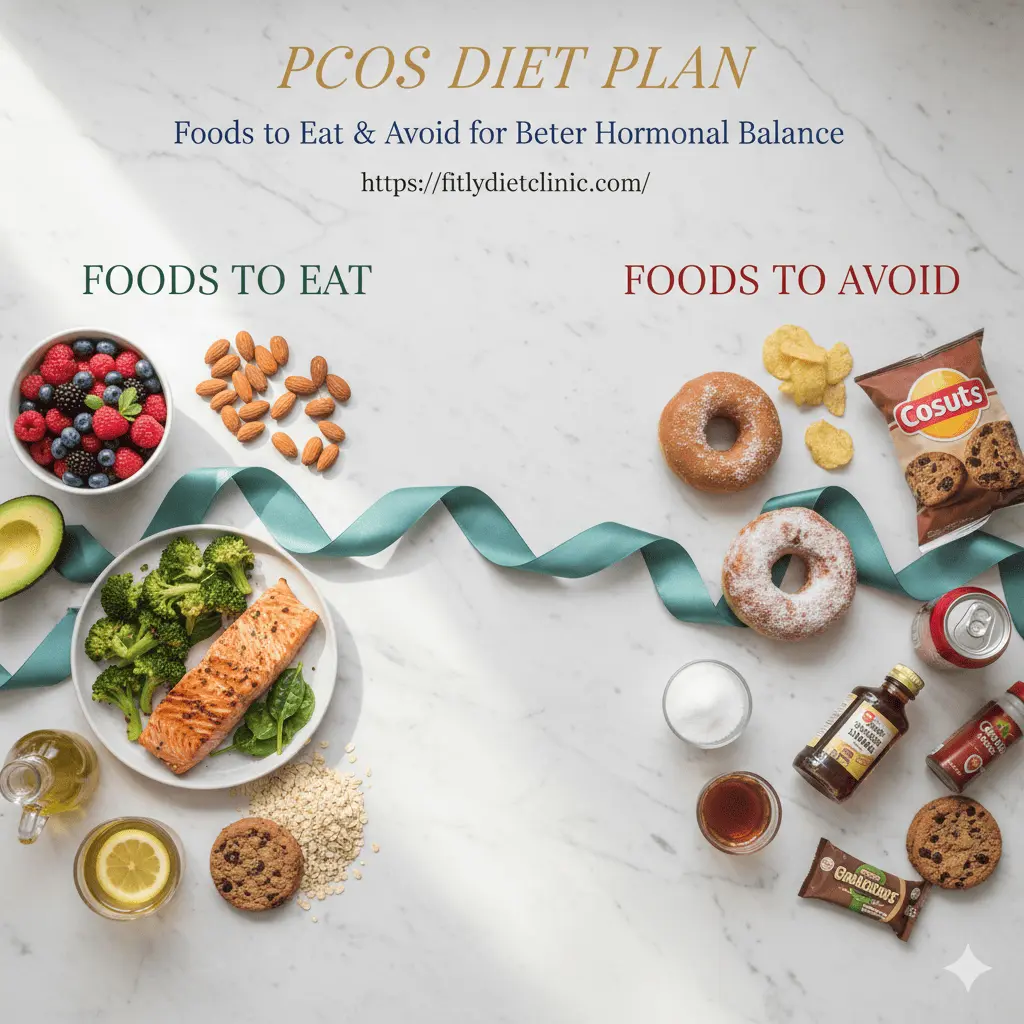
Avoidable Foods for PCOS

1. Sugar and refined carbohydrates

These foods exacerbate insulin resistance and raise blood sugar levels.

  • Pastries, pasta, and white bread
  • Sugary beverages
  • Cereals that have been processed

2. Junk and processed foods

These foods encourage inflammation and weight gain because they are high in sodium and bad fats.

  •  Burgers, fries, and pizza
  •  Packaged snacks, instant noodles, and chips

3. Dairy (sometimes)

Dairy products can cause hormonal imbalances and increased acne in certain women. Try oat milk, soy milk, or almond milk as substitutes.

4. Processed and Red Meats

connected to increased inflammation. Limiting is the best course of action.

  •  Hot dogs, sausages, and bacon
  •  High-fat pork or beef

5. Too Much Alcohol and Caffeine

Increases the stress hormone cortisol, which exacerbates PCOS symptoms.

Key Nutrients in PCOS:

Magnesium (found in spinach, almonds, and pumpkin seeds): Enhances insulin sensitivity

  • Vitamin D: Controls fertility and the menstrual cycle (sunlight, fortified milk, salmon)
  • Omega-3 fatty acids: Cut down on androgens and inflammation (fish oil, chia seeds, walnuts)
  •  Zinc: Found in chickpeas, oysters, and pumpkin seeds; aids in acne and hair growth.
  • Iron: Handles heavy meals (lentils, lean meat, and spinach).

Examples of PCOS Diet Plans

👉 One-Day Indian PCOS Diet Plan

  • Breakfast: Vegetable oats upma with flaxseeds + green tea
  • Mid-Morning Snack: Apple slices + handful of almonds
  • Lunch: Brown rice + dal + grilled paneer + spinach sabzi
  • Evening Snack: Roasted chana + herbal tea
  • Dinner: Grilled fish or tofu + quinoa + sautéed broccoli

Western PCOS Diet Plan

  • Breakfast: Overnight oats with chia seeds & berries
  • Mid-Morning Snack: Boiled egg + walnuts
  • Lunch: Grilled chicken with quinoa & kale salad
  • Evening Snack: Hummus with cucumber & carrot sticks
  • Dinner: Baked salmon + sweet potato + asparagus

Lifestyle Changes to Support PCOS Diet

  • Exercise daily – walking, yoga, HIIT, strength training
  • Prioritise sleep – 7–8 hours reduces cortisol & insulin resistance
  • Stress management – meditation, journaling, deep breathing
  • Hydration – 2–3 litres water daily

According to the Mayo Clinic, nutrition and weight management remain the first-line treatment for PCOS before medications. This proves how critical diet is in reversing symptoms.

FAQs on PCOS Diet Plan

 No, but diet can significantly reduce symptoms and restore hormonal balance.

 Yes, but only if guided by an expert. It may improve insulin sensitivity in some women.

 Berries, pears, apples, and citrus fruits are ideal due to their low GI.

 Not always. Some tolerate dairy, but if acne worsens, switch to plant-based alternatives.

A balanced, sustainable diet works better long term than extreme diets like keto.

What Our Client Say

Ananya S. Mumbai

I struggled with irregular periods and weight gain due to PCOS for years. After following the PCOS diet plan suggested in this blog, I started noticing improvements within a few weeks. My energy levels are up, and I finally feel more in control of my health.

Riya K. Bangalore

The guidance in this PCOS diet plan is simple yet effective. The focus on whole foods and portion control helped me lose 6 kg in three months, and my hormonal fluctuations became much more manageable.

Sneha P. Delhi

I had tried many diets before, but nothing worked for my PCOS symptoms. The tips from this company were realistic and easy to stick to. Within two months, my cycle became more regular, and I feel healthier overall.

In conclusion

Although PCOS can feel overwhelming, you can take back control of your health with the correct dietary approach. Lean proteins, healthy fats, fiber-rich foods, and anti-inflammatory meals promote hormone balance, cycle regulation, and weight management.

We at Fitly Diet Clinic – Your Complete Guide to Nutrition, Lifestyle & Wellness offer personalized PCOS diet plans based on your physical characteristics, way of life, and health requirements. Our strategy is result-driven, scientifically grounded, and sustainable.

👉 Make an appointment with Fitly Diet Clinic to begin your transformation and take the first step toward hormonal balance right now.

How to Stay on Track With Your Diet When Life Gets Busy

How to Stay on Track With Your Diet When Life Gets Busy

Life doesn’t often slow down. It can be hard to find time to eat healthy when you have work deadlines, family obligations, or social commitments. A lot of people start off strong with their nutrition goals, but when things get busy, they go back to their old ways.

We at Fitly Diet Clinic think that eating healthy doesn’t have to be hard. You can stick to your diet even when life gets really busy if you plan ahead, use the right strategies, and get help from professionals.

No matter how busy you are, this guide will show you exactly how to stick to your diet.

stay on track with diet when busy
Why busy lives make it hard to stick to a diet

Before we talk about strategies, let’s look at why it’s so hard to stick to a diet when you have a lot going on:

  • Time limits: Long hours make it feel like cooking is impossible.
  • Convenience temptations: Fast food looks like it will be faster and easier.
  • Stress eating means that stress from work or life makes you want sugary or fried foods.
  • Not eating enough meals—irregular eating patterns happen when you don’t have enough time.
  • Decision fatigue: When you have to make decisions all day, you start to make bad food choices.

You don’t have to give up just because of this. It just means you need plans that work with how you live your life, not against it.

1. Plan your meals realistically first

Meal planning is the key to staying on track. People who are busy often grab the first food option they see, which is usually unhealthy.

  • Set aside one day a week to plan out your meals.
  • Pick easy, repeatable meals that don’t take a long time to make.
  • Plan snacks and meals so that you never go hungry.

Planning meals isn’t about getting it right every time. It’s about lowering stress and making healthy choices second nature.

👉 Check out our About Us page to learn more about our philosophy and how we create personalized diet plans.

2. Cook in bulk and plan meals

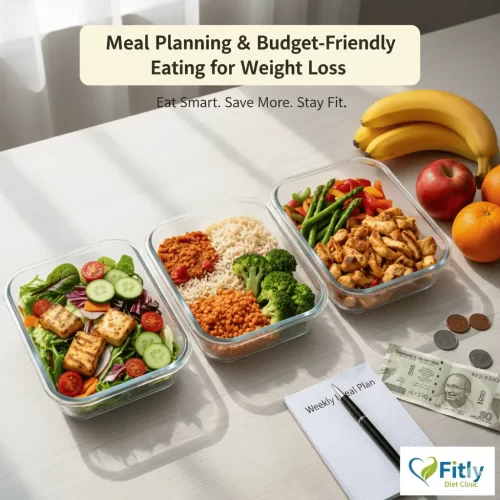
Meal prepping saves you a lot of time during the week. You can make healthy meals for a few days by spending just two hours on a Sunday.

  • Make a lot of rice or quinoa at once.
  • Roast vegetables to use in more than one meal.
  • Grill lean meats that you can use in salads, wraps, or bowls.
  • Put meals in containers that are the right size for one person so you can grab and go.

Pro tip: Put extra food in the freezer so you have meals ready for busy days.

👉 Check out our Resources section for practical guides. You’ll find simple, time-saving tips that work for busy people.

3. Always have healthy snacks on hand

When you’re hungry and don’t have any food, the vending machine or drive-thru looks good. Instead, have healthy snacks on hand.

Some great choices are:

  • Seeds and nuts
  • Fruit that is fresh
  • Protein bars with little sugar
  • Yogurt from Greece
  • Chickpeas that have been roasted

These not only save you time, but they also keep your energy steady all day.

👉 Want proof that these kinds of simple strategies work? Check out our Success Stories to see how clients have changed their lives with small but powerful changes.

4. Don’t skip meals

Not eating meals may seem like a good way to save time or calories, but it usually doesn’t work. Not eating breakfast or lunch often makes you eat too much later in the day.

Instead:

  • Get meals ready that are quick and full of nutrients.
  • Smoothies, overnight oats, and protein shakes are quick options.
  • Try to eat three balanced meals and one or two snacks every day.

5. Choose more wisely when it comes to convenience

You might need to eat out or get something to go sometimes. The most important thing is to make smart changes.

  • Pick grilled food over fried food.
  • Put in more vegetables when you can.
  • Choose whole grains, like brown rice and whole wheat wraps.
  • Be careful with how much you eat, especially sauces and dressings.

6. Drink plenty of water

A lot of the time, what you think is hunger is actually thirst. Drinking enough water can help you control your cravings and keep your energy level steady.

  • Always have a water bottle with you.
  • Drink before you eat.
  • Put herbs or fruit in water to make it taste better.

7. Eat with awareness

It’s normal to eat while working, driving, or scrolling through your phone when life gets busy. Because you’re not paying attention to what your body is telling you, this makes you eat too much.

What does mindful eating mean?

  • Eating slowly and without any distractions.
  • Paying attention to your body’s signals of hunger and fullness
  • Instead of rushing, enjoy every bite.

8. Make people responsible

One of the best ways to stay consistent is to be accountable. It could be keeping track of what you eat, talking to a coach, or joining a support group.

Every program at Fitly Diet Clinic includes a way to hold people accountable. You don’t have to go through your journey alone with the help of experts.

👉 Are you ready to stay the same? Get in touch with us through our Contact Us page, and we’ll work together to make a plan

9. Be open to change

The best diet is one that you can stick to for a long time. That means leaving room for change. If you go to a birthday party and eat dessert, don’t think of it as a failure. Just eat healthier meals later to make up for it.

Every time, consistency beats perfection.

10. Get Help from a Professional

Getting help from an expert can sometimes be the quickest way to success. A nutritionist can make a plan just for you that saves you time and keeps you from getting confused.

If you get the right help, you’ll have a plan that works perfectly with your busy life.

Learn more about how we work with clients and look at our services right from the Home Page.

Frequently Ask Question (FAQ)

Start with weekly meal planning and batch cooking. It reduces stress and saves time.

 Yes — if you make smart choices like grilled foods, salads, and controlled portions.

 No. Skipping meals usually leads to cravings and overeating later. Small, balanced meals work better.

 Healthy options like nuts, yogurt, fruit, and protein bars keep you full without excess calories.

 Through customized diet plans, accountability, and long-term strategies tailored to real-life schedules.

With my hectic schedule, sticking to a diet always felt impossible. This post gave me realistic strategies — prep ahead, choose smart snacks, and plan meals. Now even on my busiest days, I manage to eat well without stress.

Anika R. Delhi

I always skipped breakfast or grabbed junk when work got overwhelming. Thanks to the tips here, I now keep healthy options ready and meal prep on Sundays. The difference in my energy throughout the week is amazing.

Sophie M. Mumbai

The suggestions for planning meals, prioritizing protein, and using downtime smartly have helped me maintain consistency. Before, crazy deadlines meant unhealthy eating — now I even carry healthy snacks so I don’t make poor choices.

Neha K. Hyderabad
Last Thoughts

Your health goals don’t have to go off track just because you’re busy. You can stick to your diet even when life gets busy if you plan ahead, prepare your meals, eat mindfully, and have someone to hold you accountable.

We at Fitly Diet Clinic give you tips that work in the real world. Check out our About Us page to learn more about our beliefs, read Success Stories to get inspired, and find free tools in our Resources section.

👉 When you’re ready to move forward, get in touch with us through our Contact Us page.

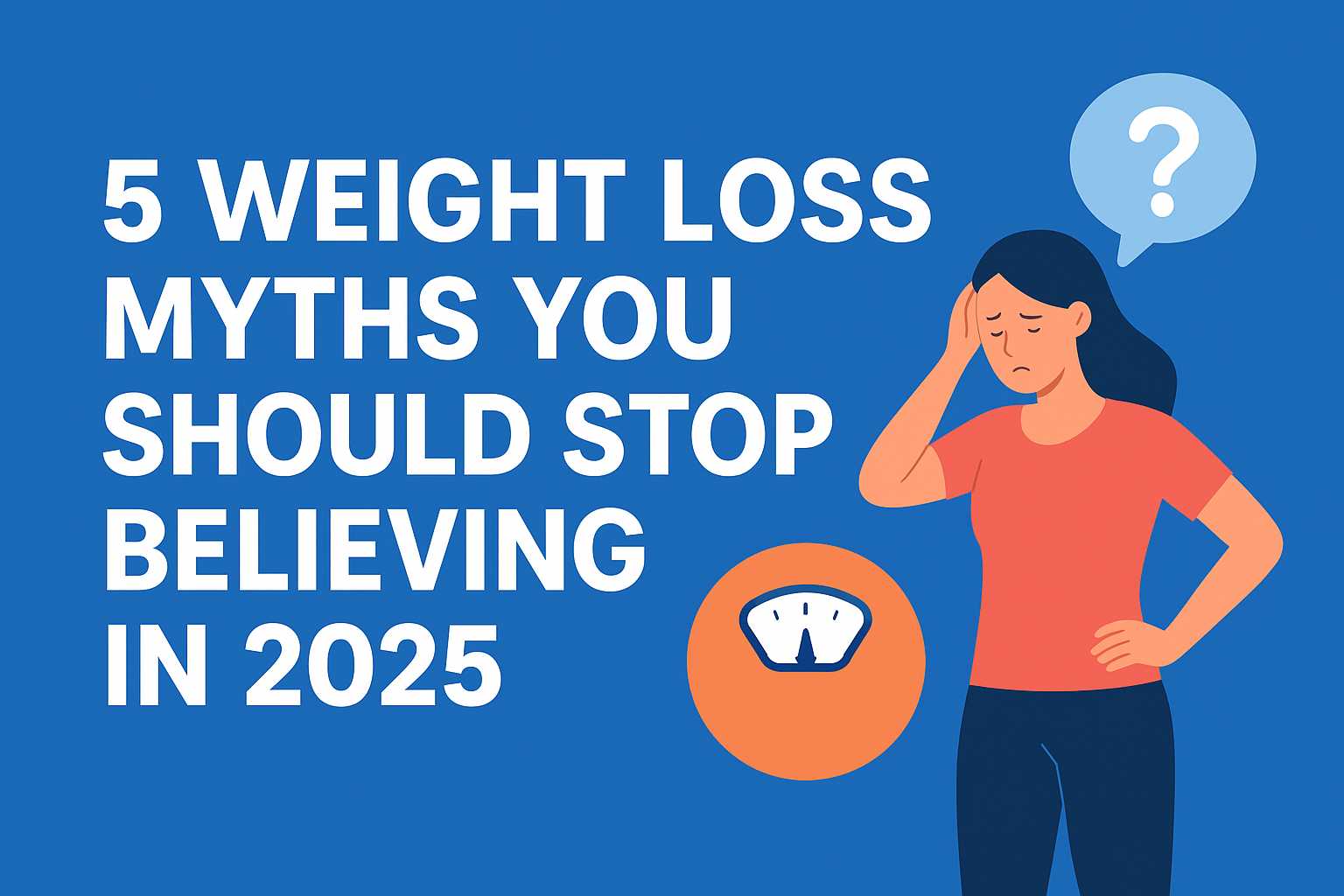
Five weight loss myths you should stop believing in 2026

People look up how to lose weight a lot, but they also don’t understand it very well. Every year, new diets and fitness trends come out. A lot of them are based on myths, half-truths, or old science.

You’re not the only one who has been upset by conflicting advice. Every day at Fitly Diet Clinic, we meet people who have tried a lot of different diets, exercise programs, and supplements, but they are still stuck in the same cycle.

This is why we’ve made this detailed guide to debunk the five biggest weight loss myths of 2026. Knowing the truth behind these false ideas can help you reach your goals, whether you want to lose a few kilos or completely change your way of life.

weight loss myths 2025

Myth #1: Not eating meals will help you lose weight

One of the oldest and most harmful myths about dieting is that you should skip meals. A lot of people think that eating less often means eating fewer calories, which should help them lose weight. But that’s not how the body works.

Your body goes into “starvation mode” when you skip breakfast or lunch, which means it stores fat instead of burning it. You probably eat too much by the time you finally get to eat. You often choose foods that are high in calories and low in nutrients.

The Truth

Not eating meals on a regular basis can:

  • Make you want junk food
  • Make blood sugar levels drop
  • Make people eat too much
  • Slow down the loss of fat over time

For long-term weight loss, the better option is to focus on diets that control portions. Eating balanced meals every three to four hours keeps your metabolism going and keeps you from getting too hungry.

👉 At Fitly Diet Clinic, our weight loss programs are made just for you to help you stay full, happy, and on track without feeling deprived.

Myth #2: Carbs Are Bad for You

“Carbs make you gain weight.” You’ve probably heard this phrase a lot. Not all carbs are bad for you, even though refined carbs like white bread and soda can make you gain weight. In fact, a healthy weight loss diet plan needs to include complex carbs.

The Truth

Carbs are the main source of energy for your body. Taking them away completely often leads to:

  • Tiredness and low energy
  • Bad performance in workouts
  • Problems with digestion (not enough fibre)

Don’t avoid carbs; instead, focus on picking the right ones:

  • Whole grains like oats, quinoa, and brown rice
  • Vegetables with starch, like sweet potatoes and pumpkins
  • Lentils, beans, and chickpeas are all legumes.

These foods are high in fibre, fill you up, and stop you from eating too much.

👉 Find out how we include healthy carbs in our weight management programs for people who want to lose weight.

Myth #3: Supplements for losing weight always work

The supplement business is doing very well, and there are a lot of pills, powders, and detox teas that say they can melt fat overnight. Sadly, these products don’t usually work or only work for a short time.

The Truth

Most weight loss pills and powders either make you lose water (which doesn’t help you lose fat) or make you feel less hungry. Some even have side effects like trouble sleeping, high blood pressure, and stomach problems.

You can’t lose weight quickly; you have to keep a calorie deficit through good food and exercise.

We don’t suggest taking shortcuts at Fitly Diet Clinic. Instead, we focus on diet plans that are backed by science and help you lose fat naturally while also improving your health.

Myth #4: The only way to lose weight is through cardio.

A lot of people think that the only way to lose weight is to run on the treadmill for hours. Cardio does help you lose weight, but if you only do it, you might not see results as quickly.

The Truth

Strength training is just as important, if not more so. Your body burns more calories even when you’re not working out when you build muscle. Cardio burns calories while you work out, but having more muscle increases your basal metabolic rate (BMR), which makes it easier to keep your weight in check over time.

The best plan is one that includes both:

Cardio exercises like running, biking, and swimming to build endurance and burn fat

Strength training, like using weights, resistance bands, and your own body weight, is good for building muscle and speeding up your metabolism.

👉 Our weight loss management programs show you how to combine diet and exercise for the best results.

Myth #5: The best way to lose weight is to do it quickly

Crash diets and extreme workout regimens promise quick results, but these results rarely last. A lot of people who go on strict diets end up gaining all the weight back (and then some) in a few months.

The Truth

It takes time to lose weight in a way that lasts. A healthy rate of weight loss is 0.5 to 1 kg per week. This gives your body time to adjust and lowers the risk of gaining fat back later.

You might experience the following if you lose weight quickly:

  • Loss of muscle
  • Not getting enough nutrients
  • Hormonal problems
  • Metabolism that works slower

At Fitly Diet Clinic, we focus on long-term weight loss tips that will help you keep your results for years, not just weeks.

What Makes Fitly Diet Clinic Unique

Our personalised, evidence-based approach is what makes us different. We don’t use fad diets or diets that work for everyone. Instead, we make nutrition plans that are tailored to your body type, lifestyle, and health goals.

When you choose Fitly Diet Clinic, you get:

  • Expert nutrition advice that is right for your body
  • Responsibility and help to keep you on track
  • Methods based on evidence that guarantee safe, long-lasting results

👉 Start your change today with our weight management services and see how much better a professional plan can make you feel.

FREQUENTLY ASK QUESTION (FAQs)

Q1. Does skipping meals really help in weight loss?

A1. No, it slows metabolism and causes overeating later.

Q2. Are all carbs bad for losing weight?

A2. No, healthy complex carbs support energy and fat loss.

Q3. Can weight loss supplements replace diet and exercise?

A3. No, real results come from healthy food and workouts.

Q4. Is cardio alone enough to burn fat?

A4. No, combine cardio with strength training for best results.

Q5. Is fast weight loss better than slow weight loss?

A5. No, gradual weight loss is safer and more sustainable.

Q6. What is the best way to start losing weight in 2026?

A6. Begin with a balanced diet plan and regular exercise routine.

Q7. Do protein-rich diets help in weight loss?

A7. Yes, protein keeps you full and supports muscle building.

Q8. How much weight can I lose in a week safely?

A8. Around 0.5 to 1 kg per week is considered safe.

Q9. Can I lose belly fat without going to the gym?

A9. Yes, with healthy eating and daily home-based workouts.

Q10. Why do most fad diets fail in the long run?

A10. They’re too restrictive and hard to maintain long-term.

Last Thoughts

It doesn’t have to be hard to lose weight, but it does have to be based on facts, not myths. You can finally take charge of your health in 2026 and beyond if you don’t believe these five common myths.

To sum up:

  • Eat meals that are balanced and in the right amounts.
  • Don’t be afraid of carbs; just pick healthy, complex ones.
  • Supplements don’t work like magic; eat whole foods instead.
  • Don’t just do cardio; do strength training as well.
  • Results that happen quickly don’t last. Long-term progress is what matters.

At Fitly Diet Clinic, we can help you every step of the way with personalised plans based on science that really work.

👉 Are you ready to start? Check out our weight loss programs and schedule your appointment today!

7-Day Indian-Inspired Weight Loss Meal Plan Overview 

The Significance of a Meal Plan

Eating wisely is more important for weight loss than simply cutting back on food. More people are looking for sustainable, culturally appropriate, and structured meal plans in 2025. You can eat delectable meals while losing weight and enhancing your general health with an Indian-inspired diet plan.

We at Fitly Diet Clinic think that losing weight should be realistic, balanced, and tailored to each individual. The purpose of this seven-day plan is to assist you:

  • Reduce weight in a safe and steady manner.
  • Keep your energy levels up all day.
  • Savor authentic Indian cuisine guilt-free.
healthy Indian diet plan

7-Day Indian-Inspired Meal Plan for Healthy Weight Loss (Table Format)

DayMealMenu
Day 1BreakfastMoong dal chilla (2) with mint chutney, Green tea or black coffee
Mid-Morning SnackAlmonds (10–12)
LunchBrown rice (½ cup), Mixed vegetable sabzi (spinach, beans, carrots), Cucumber & tomato salad
Evening SnackRoasted chickpeas or sprouts salad
DinnerGrilled paneer tikka (150 g), Stir-fried broccoli & bell peppers
Day 2BreakfastOats porridge with skimmed milk & walnuts, ½ cup berries or apple
Mid-Morning SnackButtermilk (chaas) with roasted cumin
Lunch2 multigrain chapatis, Rajma curry, Cabbage salad
Evening SnackGreen tea with roasted foxnuts (makhana)
DinnerGrilled fish or tofu, Steamed vegetables (carrot, beans, zucchini)
Day 3BreakfastPoha with peas & carrots, Herbal tea
Mid-Morning SnackFresh coconut water, 1 small fruit (orange/apple)
LunchQuinoa pulao with mixed vegetables, Cucumber-mint raita
Evening SnackRoasted chana or pumpkin seeds
DinnerPalak paneer, 2 multigrain rotis, Carrot & beet salad
Day 4BreakfastBesan (gram flour) omelette with onions, tomatoes, coriander, Green tea
Mid-Morning SnackCashews or sunflower seeds
LunchBrown rice, Dal tadka (moong or masoor dal), Stir-fried bottle gourd
Evening SnackHerbal tea with roasted peanuts
DinnerTandoori chicken or baked tofu, Sauteed greens (spinach, kale, methi)
Day 5BreakfastIdli (2–3) with sambhar & coconut chutney, Black coffee or green tea
Mid-Morning SnackSmall bowl of sprouts salad
Lunch2 chapatis, Bhindi masala or lauki sabzi, Cucumber-tomato raita
Evening SnackGreen smoothie (spinach, cucumber, mint, lemon)
DinnerGrilled salmon or paneer, Steamed broccoli & carrots
Day 6BreakfastVegetable upma with 1 tsp ghee, Herbal tea
Mid-Morning SnackHandful of mixed nuts (almonds, walnuts, cashews)
LunchBajra roti (pearl millet), Lauki or tori sabzi, Yogurt
Evening SnackRoasted makhana or corn salad
DinnerEgg bhurji or tofu scramble, Sauteed zucchini, capsicum & mushrooms
Day 7BreakfastDaliya (broken wheat porridge) with skimmed milk & cinnamon, ½ cup berries
Mid-Morning SnackGreen tea with roasted chana
LunchQuinoa salad with chickpeas, cucumber, tomato, coriander, Mint raita
Evening SnackFresh coconut water & fruit
DinnerGrilled chicken or paneer tikka, Stir-fried spinach & beans, 1 multigrain chapati

The Benefits of Indian-Inspired Diet Plans for Losing Weight

It’s a common misconception that Indian food is heavy and high in calories. It can be one of the healthiest diets for losing weight, though, if you make the correct decisions. This is the reason:

  • High in Fiber: Vegetables, legumes, and lentils prolong feelings of fullness.
  • High in Protein: Lentils, yogurt, eggs, and paneer all aid in maintaining muscle mass.
  • Balanced Flavors: Turmeric, cumin, and coriander are among the spices that have anti-inflammatory properties.
  • Adaptable to both vegetarians and non-vegetarians: It is easily adaptable.

Check out Fitly Diet Clinic’s weight loss programs for professional advice if you’re looking for a more customized Indian diet plan.

Fundamentals of a Nutritious Indian Diet

Prior to beginning the seven-day schedule, adhere to these guidelines:

  • Portion control is important because overindulging in even healthful foods can result in weight gain.
  • Every meal should contain all three macronutrients: protein, carbohydrates, and healthy fats.
  • Hydrate by consuming two to three liters of water every day.
  • Limit processed foods: Steer clear of fried foods, packaged snacks, and sugary beverages.
  • Incorporate herbs and spices: They enhance taste without adding extra calories.

How to Make This Meal Plan Effective

Prepare ahead of time by soaking the lentils and chopping the vegetables the evening before.

  • Use Minimal Oil: Use ghee or olive oil sparingly.
  • Spice It Up: Garlic, ginger, coriander, cumin, and turmeric all help to speed up metabolism.
  • Keep Track of Portions: If necessary, use measuring cups or a food scale.
  • Keep Moving: Make time each day for 30 minutes of exercise, such as strength training, yoga, or walking.

Examine the individualized programs offered by Fitly Diet Clinic if you’re looking for a completely customized Indian meal plan.

FAQs Regarding Weight Loss Meal Plans Inspired by Indian Cuisine

Q1. Can eating Indian food help me lose weight?

Indeed! Indian food has the potential to be very balanced and nutrient-dense. Prioritize vegetables, lean meats, whole grains, legumes, and little to no oil.

Q2. Is eating rice acceptable when attempting to reduce weight?

Yes, but it’s important to watch portion sizes. For greater satiety and fiber content, brown rice or quinoa is recommended over white rice.

Q3. Is this meal plan suitable for vegetarians?

Of course. Vegetarians can get enough protein from paneer, tofu, lentils, legumes, and dairy.

Q4. In a week, how much weight can I anticipate losing?

Most people can safely and sustainably lose 1-2 kg per week if they are consistent.

Q5. Can I alter this plan to suit my preferences?

Indeed! Change up the protein sources, veggies, or spices to suit your tastes while maintaining calorie balance.

Q6. Does this diet plan require exercise?

Although exercise speeds up weight loss and enhances health, a diet plan by itself can still help you lose weight gradually.

Q7. Where can I find a customized Indian diet plan?

Fitly Diet Clinic offers customized plans based on your objectives, body type, and way of life.

The Benefits of Using a Professional Diet Plan

  • Personalized advice: A dietitian can modify food selections and portion sizes.
  • Accountability: Consistent check-ins improve compliance.
  • Long-term outcomes: Plans emphasize habits rather than just temporary weight loss.

To get started right now, find out more about our programs and weight loss consultation.

In conclusion

For anyone wishing to lose weight in a sustainable, healthful manner, a 7-day Indian-inspired meal plan can be a great place to start. You can reach your objectives and savor the rich flavors of Indian food by combining portion control, balanced meals, and frequent exercise.

Weight loss is guaranteed to be both successful and long-lasting with consistency, mindfulness, and advice from professionals like Fitly Diet Clinic.

Ozempic vs. Lifestyle Modifications: Which Is More Effective for Long-Term Weight Loss?

The topic of weight loss has changed in 2026 and is now more complicated than before.

Everyone is discussing drugs like Ozempic, Wegovy, and Mounjaro, whether it’s in doctor’s offices or on TikTok trends. They are commended for changing lives and producing quick results. However, the query still stands:

When it comes to long-lasting results, is the conventional “eat better, move more” strategy still superior, or is medication the best option?

We’ll examine Ozempic vs. lifestyle changes in detail in this guide, including how each works, their benefits and drawbacks, and—most importantly—what the research says about maintaining weight over the long term.

We’ll also demonstrate why Fitly promotes long-term weight loss based on health, habits, and abilities rather than reliance.

Ozempic vs lifestyle changes
The Increase in Weight-Loss Drugs

The 2026 Weight Loss Scene: Two Different Routes

The FDA approved Ozempic (semaglutide) in 2017 for the treatment of type 2 diabetes, so it is not a novel medication. However, when studies revealed that patients lost 15–20% of their body weight in a year, its popularity as a weight loss solution in 2026 exploded.

What was the outcome?

shortages of pharmacies.

celebrity support.

a worldwide discussion about whether taking medicine to control weight should be the “new normal.”

The Durability of Lifestyle Modifications

Even though diet, exercise, and behavior modification remain the cornerstones of health, weight-loss medications continue to dominate news reports. This is where lifestyle-based approaches excel, bringing about resilient, long-term change rather than dramatic, overnight results.

This discussion isn’t “either/or” because of this. It all comes down to which strategy works best for you in the long run.

How Lifestyle Modifications Operate: Ability Over Medication

The main causes of weight gain—poor eating habits, inactivity, stress, and sleep deprivation—are addressed by lifestyle modifications. A good program, such as Fitly’s, emphasizes:

Eating enough protein, fiber, and healthy fats will help you naturally control your appetite.

Frequent movement, such as walking every day or participating in organized exercises.

Training your mindset and habits can help you replace all-or-nothing thinking with consistent, practical behavior.

Side-by-Side Comparison

FactorOzempic (Medication)Lifestyle Changes
Speed of ResultsWeeksMonths
Long-Term MaintenanceHard without continued useHigh with habit consistency
Side EffectsNausea, vomiting, fatigue, digestive issuesPositive: more energy, better mood, improved health markers
Cost$800–$1,200/monthTypically far less, varies by program
Skill DevelopmentNoneYes — nutrition, cooking, fitness, self-discipline
DependencyHighLow

Why 2026 Will See a Boom in Ozempic Alternatives

Google Trends indicates that during the past 12 months, there has been a sharp increase in searches for Ozempic substitutes. The explanations are obvious:

  • Cost barriers: Some people pay hundreds of dollars a month even with insurance.
  • Side effects: Not everyone can handle fatigue, diarrhea, or nausea.
  • Lifestyle fit: Some people don’t like getting shots or being dependent on drugs.
  • Values: Without a prescription, many people want to feel that they earned their results.

Fitly’s sustainable weight loss programs are popular because they provide results that people can control without having to worry about co-pays or supply shortages.

The Science Behind Sustainable Weight Loss

1. Gradual Loss Is More Sustainable

 Numerous peer-reviewed studies and the CDC concur that the safest and most sustainable weight loss is 1-2 pounds per week. This pace helps you sustain new habits, minimizes muscle loss, and lets your metabolism adjust.

2. Developing Metabolic Adaptability

Your body gains the ability to effectively burn fat and carbs through lifestyle modifications; this ability is lost when weight loss is achieved solely through appetite suppression.

3. Automation of Habits

Weight control no longer feels like a never-ending struggle when making healthy choices becomes second nature. This is a fundamental tenet of Fitly’s coaching.

Dangers of a Medication-Only Strategy

Drugs are useful for short-term weight loss, but using them exclusively can backfire:

  • Muscle Loss: Weight loss may be disproportionately attributed to muscle, which slows metabolism, if resistance training and enough protein are not included.
  • Nutritional Deficiency: Vitamin and mineral deficiencies may result from a lower food intake.
  • Psychological Dependency: It’s normal to worry about stopping the drug.
  • Financial Burden: Long-term use is expensive, costing more than $12,000 annually.

Can You Use Both Methods?

Yes, and some experts even suggest it.

For instance, beginning Ozempic to lose weight fast can be coupled with a structured program such as Fitly’s fitness and nutrition coaching to learn how to maintain weight loss after taking medication.

Planning the transition from medication support to habit-driven maintenance to complete drug cessation is crucial.

Case Studies: Actual Results

Case 1: DrugsWith Ozempic, only Jennifer lost forty-two pounds in eight months. She never did, however, address her habit of high-sugar snacks. She gained 28 pounds in a year after stopping the medication because of side effects.

Case 2: Lifestyle-Only (Adequately)

Carlos used Fitly’s sustainable program to lose 36 pounds in 14 months. He’s still at his target weight after two years, and he has more energy and less stress.

Case 3: Combination Method

For the first six months, Melissa combined Fitly’s coaching with Ozempic. Through diet, strength training, and habit tracking, she lost fifty pounds, stopped taking the medication after seven months, and has kept her weight stable for more than a year.

How to Pick Your Course

Prior to making a choice, consider:

  • Do I want long-term independence or quick results?
  • Can I afford the continuing costs of my medications?
  • Am I ready to alter my daily routine?
  • To what extent is avoiding side effects important?

The Foundations of Long-Term Weight Loss by Fitly

Our strategy at Fitly is centered on:

  1. Education: Gaining knowledge about nutrition to make informed decisions anywhere.
  1. Customization: Plans are tailored to your fitness level, preferences, and schedule.
  1. Accountability: Weekly check-ins to help you stay on course.

4. Mindset Mastery: Strategies for overcoming obstacles without giving up.

Additional Advice for Sustainable Weight Loss in 2026

Monitor Development Beyond the Scale

  • Calculate your body fat percentage, hips, and waist.
  • Monitor your mood, energy levels, and sleep quality.

2.Put Protein First

  • prolongs feelings of fullness and aids in muscle preservation.

3.At least twice a week, engage in strength training.

  • Your metabolism’s best friend is muscle.

4.Get 7 to 9 hours of sleep every night.

Lack of sleep lowers self-control and raises hunger hormones.

5.Minimize Overly Processed Foods

These foods can interfere with your hunger and metabolism, even if you are tracking your caloric intake.

Frequently Asked Questions (FAQ)

Q1.What is Ozempic and how does it work for weight loss?

Ozempic (semaglutide) is a prescription medication originally developed for type 2 diabetes. It helps with weight loss by reducing appetite, slowing digestion, and regulating blood sugar.

Q2.Can Ozempic replace diet and exercise?

No. While Ozempic can aid in weight loss, long-term success still requires lifestyle changes like healthy eating, regular exercise, and good sleep habits.

Q3.Is weight loss from Ozempic permanent?

Not necessarily. Studies show that many people regain weight after stopping Ozempic if they haven’t adopted sustainable lifestyle habits.

Q4.How effective are lifestyle modifications compared to Ozempic?

Lifestyle modifications—such as balanced nutrition, physical activity, stress management, and proper sleep—support long-term weight loss and overall health.

Q5. Who should consider Ozempic for weight loss?

Ozempic may be recommended for people with obesity or weight-related health issues (like type 2 diabetes or cardiovascular risks) when diet and exercise alone are not enough.

The Conclusion: Lifestyle Shifts vs. Ozempic

Ozempic is the solution if you want to lose weight quickly. However, the advantages are frequently fleeting if lifestyle changes are not made.

Sustainable weight loss through diet, exercise, and mindset training is the tried-and-true method if your goal is long-term health. And in 2026, you can receive professional advice without dependence, supply concerns, or adverse effects thanks to initiatives likeFitly’s Ozempic substitutes.

Last Thought: 

Although Olympic can be a tool, the foundation is a change in lifestyle. You can choose whether to use the tool temporarily after building the foundation. If you skip the foundation, no tool will sustain your progress over time.

Ready to start your transformation?

 Visit Fitly today and explore our sustainable weight loss solutions— the smart, lasting alternative to medication.

Customized Diet Plans versus Generic Diet Charts What’s superior?

In a society where everyone aspires to attain the highest levels of fitness, health, and wellbeing, diet is crucial. Selecting the best nutritional path can be overwhelming due to the vast number of options available both online and offline. People frequently struggle with the decision of whether to use generic diet charts that are easily found online or to stick to a customized diet plan. At Fitly Diet Clinic, we think it’s important to give you the information and resources you need to make wise health choices. So let’s examine this topic in more detail and determine which strategy is actually better for your health objectives.

optimized diet comparison

Knowing the Fundamentals

A customized diet plan: what is it?

An individual’s age, gender, medical history, body composition, lifestyle, food preferences, allergies, and health objectives are all taken into consideration when creating a customized diet plan. This plan is developed by a certified dietitian or nutritionist following thorough consultations and assessments. It provides a more sustainable and scientific path to fitness and health.


A generic diet chart: what is it?

Conversely, generic diet charts are pre-made meal plans that fall into general categories like “weight loss,” “muscle gain,” or “diabetes diet.” These are frequently found online, in books, or in magazines, and they don’t take into account each person’s particular biological or lifestyle requirements. Although they might be useful as short-term guidelines, they frequently don’t yield long-term effects.

The Argument in Favor of Tailored Diet Plans

1. Customized to Meet Your Needs

Everybody is unique. Your body’s particular metabolism, nutrient needs, and dietary restrictions are respected by a customized diet plan. A personalized plan adapts to your objectives, whether you’re attempting to control your diabetes, reduce weight, or boost your energy levels.

Internal link: Take a look at our Weight Loss Program, which is centered around customization.

2. Takes Medical Conditions Into Account

A customized diet can be designed to meet your specific medical needs if you have conditions like PCOS, thyroid problems, high blood pressure, or digestive problems. It can aid in symptom management, promote healing, and even reverse certain illnesses.

Internal link: View our Medical Nutrition Therapy-specific Clinical Diet Plans.

3. Realistic & Sustainable

Sustainability is a key factor in diet failure. Your social life, work schedule, and food availability are all factors in personalized diets. They provide long-term, realistic meal options that you can follow.

4. Equilibrium of Nutrients

Calorie counts are a common focus of generic diets. Nutrient-dense foods are the main focus of customized plans, which guarantee that you receive the proper amounts of fiber, protein, fats, vitamins, and minerals.

Internal link: Learn how to balance your meals with our Nutrition Counseling.

5. Habit Formation & Behavior

In addition to providing you with a plan, a qualified dietitian will educate you on portion control, emotional eating triggers, and healthy eating practices. Long-term success depends on this coaching.

Internal link: Start changing your habits right now by learning more about our Lifestyle Management Plans.

6. Promotes Intentional Eating

Mindfulness is encouraged by customized diets. You’re more likely to form a healthy and long-lasting relationship with food when you know why you’re eating a particular food and how it affects your body.

7. Changes With You

Your diet can be modified in accordance with changes in your health, such as pregnancy, aging, or recuperation from illness. A customized strategy offers flexibility and ongoing efficacy as it changes to meet your body’s needs.

Generic Diet Chart Issues

1. One-size-fits-all

Generic diets make the incorrect assumption that all members of a group (for example, “overweight women”) have the same needs. The metabolic rates of two individuals of the same weight may differ significantly.

2. Ignoring food intolerances and allergies

Not everyone can follow a gluten- or dairy-based diet. Allergies are frequently missed by generic charts, which can cause digestive problems and other problems.

3. Lack of Flexibility

These are inflexible charts. They are difficult to adhere to consistently because they don’t provide alternatives or take into consideration changes in lifestyle, travel, festivals, or cravings.

4. Risks of Nutrient Deficiency

Without expert advice, generic diets may overlook important nutrients or promote severe restriction, which over time may be detrimental.

5. Effects on the Mind

Attempting to adhere to an unattainable generic diet can cause more harm than good and result in disordered eating patterns, guilt, or frustration.

6. Insufficient Personal Responsibility

You are not accountable because you are not interacting with a professional. A customized plan, on the other hand, consists of ongoing support and follow-ups to help you stay on course.

Success in Real Life with Tailored Diet Plans

At Fitly Diet Clinic, we have helped thousands of clients use personalized nutrition to achieve life-changing outcomes. Our customer testimonials demonstrate how customization transforms the game for managing diabetes, weight loss, and hormone balance.

Internal link: Get motivated by reading through our Success Stories.

“The customized diet plan from Fitly Diet Clinic helped me see results after years of battling thyroid-related weight gain. It’s easy to follow, realistic, and even fun. Priya S. from Hyderabad

“The plan was perfectly in line with my lifestyle, and the online consultation process was easy. I feel better than ever in terms of my health, energy, and confidence. – Bangalore’s Rohan M.

How We Create Personalized Diet Plans at Fitly Diet Clinic

  • First Consultation: A private meeting to learn about your goals, concerns, and present state of health.
  • Comprehensive Evaluation: We examine your lifestyle, eating habits, work schedule, medical records, and body measurements.
  • Custom Meal Planning: A diet plan is made using balanced nutrition, foods you like, and locally sourced ingredients.
  • Ongoing Support: Consistent monitoring, follow-ups, and modifications in response to your development.
  • Behavioral Coaching: To guarantee long-term outcomes, we assist you in making small, sustainable lifestyle adjustments.
  • Use of Technology: You can get professional assistance from the comfort of your home by using our online consultation platform.

Learn more about our Online Diet Consultation by clicking on this internal link.

For whom are customized diet plans appropriate?

  • People who suffer from long-term conditions (diabetes, thyroid, PCOS, IBS)
  • Fitness enthusiasts and athletes
  • Women who are nursing or pregnant
  • Youngsters who are malnourished
  • Elderly people
  • Anyone trying to lose weight in a way that will last
  • Individuals who struggle with emotional eating or stress-related eating patterns
  • People who have experimented with several diets without seeing long-term results

Internal connection: To schedule a consultation right now, go to our Contact Page!

Frequently Asked Questions (FAQ)

Q1.What is the difference between a customized diet plan and a generic diet chart?

A customized diet plan is tailored to an individual’s age, health conditions, lifestyle, and goals, while a generic diet chart is a one-size-fits-all plan that may not suit everyone’s unique needs.

Q2.Why is a customized diet plan more effective?

Because it considers personal factors like metabolism, activity level, allergies, and preferences. This ensures better results and higher adherence compared to generic charts.

Q3Are generic diet charts completely useless?

Not at all. Generic diet charts can serve as a basic guideline for healthy eating, but they may not address individual challenges or health concerns.

Q4.Do customized plans help with long-term weight management?

Yes. Since they are sustainable and built around personal habits, customized plans are easier to follow long-term, making weight management more effective.

Q5.Are customized diet plans only for people with medical issues?

No. While they are especially useful for people with conditions like diabetes, thyroid, or PCOS, anyone can benefit from a plan that matches their unique lifestyle and body needs.

Customized Diet Plans: The Way of the Future for Healthful Living

People are now aware that there is no one-size-fits-all approach to nutrition as preventive healthcare becomes more widely recognized. The future lies in personalized nutrition, which combines professional advice, science, and technology to help you lead a healthier life.

Internal link: Start from home with our Online Diet Consultation and find out more.

Final Verdict: Personalized Diet Plans vs Generic Diet Charts

FeaturePersonalized Diet PlanGeneric Diet Chart
CustomizationHighLow
SustainableYesRarely
Suitable for Medical ConditionsYesNo
FlexibilityHighLow
Professional GuidanceYesNo
Long-Term ResultsMore LikelyLess Likely
Nutrient BalanceOptimalMay Lack Diversity
AccountabilityHighNone

The answer is straightforward: Safe, long-lasting, and scientifically supported results are much more likely to be obtained with customized diet plans.

It’s time to move past generic diets if you’re prepared to take your health seriously and want professional advice catered to your body and lifestyle.

Internal link: Begin your journey with Fitly Diet Clinic right now to see the impact that a customized strategy can have.

How to Increase Your Metabolism Naturally

Are you having trouble maintaining your energy levels, losing weight, or feeling lethargic all the time? It could be due to a slow metabolism. We at Fitly Diet Clinic support sustainable and natural health solutions. We’ll walk you through tried-and-true methods in this blog to increase your metabolism naturally—no tricks, just outcomes.

boost metabolism naturally

What is the metabolism, anyway?

The process by which your body turns the food and liquids you consume into energy is called your metabolism. Your body will burn calories more effectively if your metabolism is faster, which can improve your energy levels, weight control, and general health.

1. Have a Breakfast High in Protein to Start the Day

A nutritious, high-protein breakfast can increase your metabolism and prolong feelings of fullness. The thermic effect of food (TEF), or the number of calories your body expends during digestion, is increased by protein.

🔗 Examine our personalized diet plans to incorporate additional foods that increase metabolism.

2. Maintain an Active Lifestyle All Day

One of the best strategies to increase your metabolism is to include physical activity in your daily routine. Little things like stretching every hour or using the stairs can have a big impact.

🔗 Do you need a plan? Try our diet-and-exercise-based weight loss programs.

3. Maintain Hydration

A healthy metabolism depends on drinking lots of water. According to research, drinking cold water may momentarily raise your resting metabolism while your body warms up.

Aim for eight glasses of water or more each day, and make sure your meals contain hydrating foods like fruits and vegetables.

4. Increase Lean Muscle Mass

Even while at rest, muscle burns more calories than fat. The development of lean muscle through strength training and resistance training naturally raises your resting metabolic rate.

🔗 To develop a diet that promotes muscle growth and recovery, speak with our nutrition experts.

5. Never Miss a Meal

Your metabolism may slow down if you skip meals, which may cause you to overeat later. Energy and metabolic function are maintained throughout the day with regular, well-balanced meals.

 Advice: Choose more frequent, smaller meals that include fiber, protein, and good fats.

6. Make Time for Sleep

Your metabolism can slow down and your hormones can be affected by sleep deprivation. For better appetite control and metabolic health, try to get 7 to 9 hours of good sleep every night.

7. Control Your Stress

High cortisol levels from ongoing stress can slow metabolism and result in weight gain, particularly around the abdomen.

🔗 Find out how our diet counseling can help you create a routine and eat less to relieve stress.

Frequemtly Ask Questions (FAQ)

Q1.What is metabolism?

A1.Metabolism refers to the process by which your body converts food into energy. It includes all the chemical reactions that keep your body alive and functioning.

Q2.Can you really speed up your metabolism naturally?

A2.Yes, while genetics play a role in your metabolic rate, certain lifestyle habits—like exercise, nutrition, and sleep—can positively influence it.

Q3.Does drinking water boost metabolism?

A3.Yes. Drinking water, especially cold water, can give your metabolism a temporary boost as your body works to bring the water to body temperature.

Q4.Do certain foods increase metabolism?

Protein-rich foods, spicy foods (like those containing chili peppers), green tea, and coffee have been shown to have metabolism-boosting effects.

Q5.How does exercise affect metabolism?

Strength training builds muscle, which burns more calories at rest. High-intensity interval training (HIIT) can also increase your metabolic rate even after you finish exercising.

Final Remarks

It is possible to increase your metabolism with regular, healthy habits rather than drastic measures. Fitly Diet Clinic offers individualized diet plans, professional consultation, and a comprehensive approach to wellness in order to support your journey.

 All set to take charge of your metabolism?

Schedule consultation with one of our qualified dietitians online right now.